
Beyond Birthday Balloons: A Nursing School Festival Addresses a Growing Access Gap
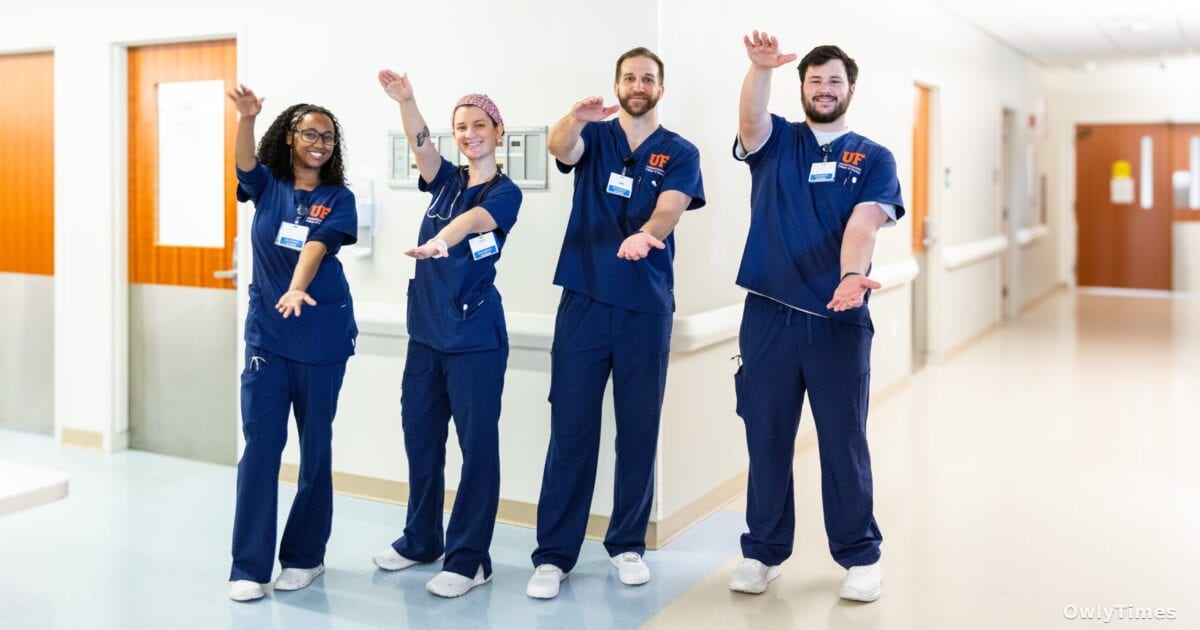
The University of Florida College of Nursing’s 70th anniversary isn’t being marked with a simple gala. Instead, on March 7th, the college will host the inaugural North Central Florida Health Festival at Bo Diddley Plaza in Gainesville, a free event designed to directly address a critical, and often overlooked, component of public health: access to preventative care. While celebratory milestones are important, the choice to dedicate this anniversary to a community health festival speaks to a broader reckoning within healthcare – a move away from solely treating illness and towards proactively fostering wellness, particularly for those facing systemic barriers. This isn’t simply about offering free screenings; it’s a strategic intervention in a region where healthcare disparities are demonstrably widening.
The festival, running from 10 a.m. to 2 p.m., will offer a range of services, from free health screenings and wellness checks to interactive educational booths and fitness demonstrations. Notably, the inclusion of mobile health units and the UF Health Cancer Institute’s Mobile Cancer Screening Connector – offering mammograms by appointment at 352-359-5184, regardless of insurance status – directly tackles the logistical and financial hurdles that prevent many from receiving timely preventative care. According to data from the Florida Department of Health, Alachua County, where Gainesville is located, consistently lags behind the state average in preventative cancer screenings, particularly among low-income and rural populations. The festival isn’t attempting to solve this problem outright, but it’s a targeted effort to improve those numbers, even incrementally.
Jacobi I. Bedenfield, Ph.D., director of immersive experiential learning for the UF College of Nursing, frames the event’s purpose succinctly: “As we celebrate 70 years of impact, we are excited to gather with our community to focus on what matters most. Health, access and partnership.” This emphasis on partnership is key. The festival isn’t a standalone initiative; it’s a collaborative effort involving campus groups, clinical providers, and community organizations. This model, prioritizing interconnectedness, reflects a growing understanding that effective public health interventions require a multi-faceted approach, leveraging the strengths of diverse stakeholders. The theme, “lighting the way together,” isn’t just a slogan; it’s a statement of intent.
This article draws on reporting from ufhealth.org.
However, it’s crucial to understand what this festival isn’t. It’s not a comprehensive solution to the complex challenges facing the North Central Florida healthcare system. A single day of free screenings, while valuable, won’t dismantle systemic inequalities or address the underlying social determinants of health – factors like poverty, housing instability, and food insecurity – that significantly impact health outcomes. The festival’s impact will be measured not just in the number of screenings performed, but in the connections made and the awareness raised. It’s a starting point, a visible demonstration of commitment, but sustained improvement requires ongoing investment and policy changes.
The Shifting Landscape of Nursing Education and Community Engagement
The timing of this festival is also significant when viewed through the lens of evolving nursing education. The UF College of Nursing’s increased focus on “immersive experiential learning,” as highlighted by Bedenfield, signals a broader trend within nursing schools nationwide. Traditional classroom-based learning is increasingly being supplemented with real-world experiences, like community outreach programs and mobile health initiatives. This shift is driven by a recognition that nurses are not simply clinicians; they are also public health advocates and community leaders. The festival provides a practical learning environment for nursing students, allowing them to apply their knowledge and skills while contributing to the well-being of the community.
The college’s commitment to mobile outreach, specifically, is noteworthy. Mobile health units are becoming increasingly vital in reaching underserved populations, particularly in rural areas where access to healthcare facilities is limited. The presence of the UF Health Cancer Institute’s Mobile Cancer Screening Connector at the festival underscores the importance of early detection and preventative care in improving cancer outcomes. While Florida’s cancer incidence rate is slightly above the national average, early detection rates remain stubbornly low in many counties, contributing to higher mortality rates. This festival offers a localized, proactive response to that challenge.
Looking Ahead: Measuring Impact and Building Sustainability
The immediate next step for the UF College of Nursing is to meticulously evaluate the festival’s impact. Beyond simply counting the number of attendees and screenings performed, researchers will need to assess the event’s reach within specific demographic groups and track whether it leads to increased engagement with healthcare services in the long term. Did attendees who received a screening follow up with their primary care physician? Did the festival raise awareness about preventative care and encourage healthier behaviors? These are the questions that will determine the event’s true value.
More importantly, the college needs to consider how to build on this momentum. Will the North Central Florida Health Festival become an annual event? Can the mobile health unit program be expanded to reach more communities? The success of this initiative hinges on securing sustainable funding and fostering ongoing partnerships. The question now isn’t just whether this festival was a success, but whether it can serve as a catalyst for lasting, positive change in the health of North Central Florida. Will other institutions follow suit, recognizing that celebrating milestones should also mean investing in the well-being of the communities they serve?