
The persistent myth that nail care is purely cosmetic obscures a fundamental truth: our nails are active indicators of overall health, and surprisingly vulnerable structures. While many of us dedicate significant effort to skincare and haircare, nail health often receives scant attention until a problem arises. Dermatologists and nail technicians are increasingly emphasizing that proactive nail care isn’t about aesthetics alone, but about maintaining a crucial protective barrier and potentially detecting underlying health issues. The recent surge in interest in “nail health” isn’t simply a trend; it reflects a growing understanding of the complex biology at play beneath the surface of each fingernail and toenail.
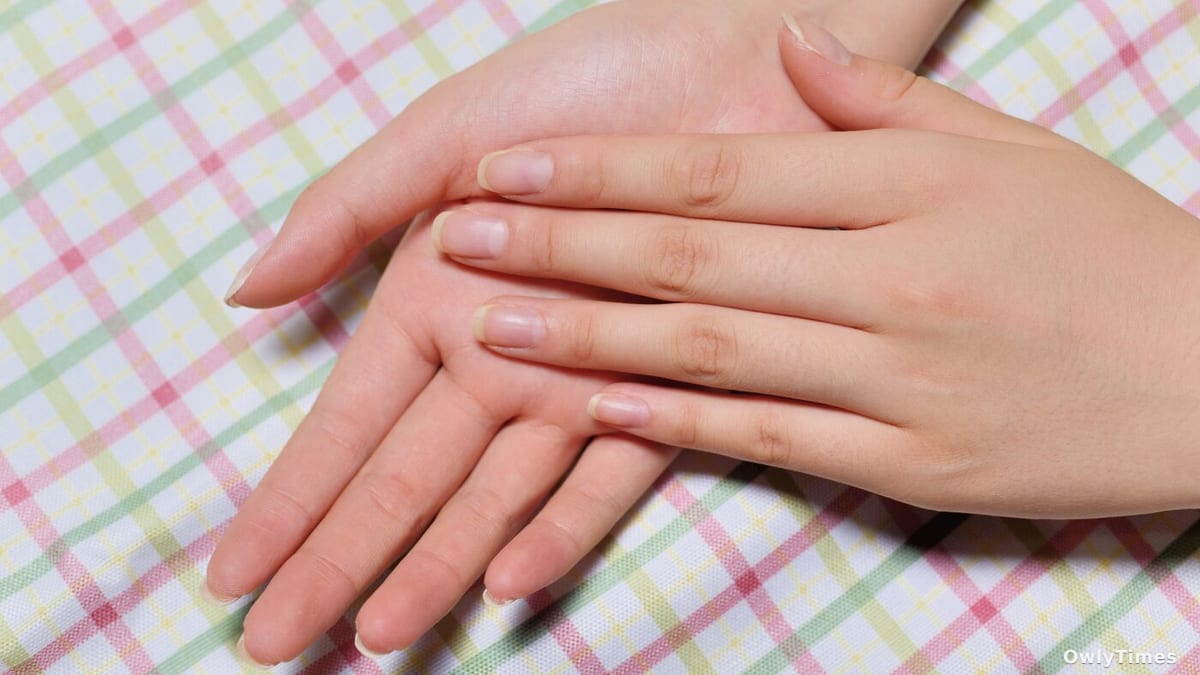
The basic function of a healthy nail is often underestimated. Dr. Shari Lipner, a professor of clinical dermatology and director of the nail division at Weill Cornell Medical Center, succinctly points out the practical implications of nail health: “If you lose a nail, try picking up a coin off the floor. Try buttoning your shirt. It's almost impossible to do.” This highlights that nails aren’t merely decorative appendages, but essential tools for daily life. A healthy nail, according to Dr. Lipner, should be firm, shiny, and relatively smooth, with only minor lines. However, the current emphasis on elaborate nail art and frequent salon visits often overshadows these fundamental characteristics, potentially masking early warning signs of trouble.
Reporting from NPR informs this analysis.
One of the most common misconceptions centers around the cuticle. Many individuals routinely trim or aggressively push back their cuticles, believing it improves appearance. However, experts like Dr. Dana Stern, a dermatologist and nail specialist, strongly advise against this practice. The cuticle isn’t simply dead skin to be removed; it’s a vital protective barrier composed of a sticky layer of cells that prevents bacteria, fungus, and debris from entering the nail matrix – the area where nail growth originates. Removing this barrier significantly increases the risk of infection. Gentle pushing back with a washcloth after showering is recommended as a safer alternative, maintaining neatness without compromising protection. Similarly, hangnails should be carefully clipped at the base, rather than pulled or torn, to prevent further damage and infection.
Beyond cuticle care, the method of nail trimming itself impacts nail health. Cutting nails straight across, rather than rounding the edges, is crucial in preventing ingrown nails, a painful condition where the nail curves and grows into the surrounding skin. Following this with filing using a glass or crystal file – as opposed to the more abrasive cardboard emery files – creates a smoother, sealed edge, minimizing the risk of breaks and splits. The habit of nail biting, while often considered a nervous tic, poses a significant threat, increasing the risk of bacterial and fungal infections, nail discoloration, and even the spread of warts. Dr. Lipner emphasizes the importance of breaking this habit for overall nail and hand health.
The impact of external factors, particularly water exposure and chemical products, is also frequently underestimated. Nails are remarkably absorbent, “a thousand times more absorptive of water than the skin,” according to Dr. Stern. Repeated exposure to water, such as during dishwashing or gardening, causes nail cells to expand and contract, leading to weakness and breakage. Wearing gloves during these activities is a simple yet effective preventative measure. Similarly, frequent use of acetone-based polish removers can cause brittleness, and prolonged use of hard gels or acrylics can weaken the nail plate. Taking breaks from manicures and pedicures, allowing the natural nail to “breathe,” is therefore recommended.
However, it’s important to distinguish between the headlines proclaiming the dangers of nail polish and the actual findings of research. While excessive or prolonged use of certain products can contribute to nail damage, occasional use is unlikely to cause significant harm. The key is moderation and mindful product selection. The emphasis isn’t on complete avoidance, but on informed choices and periods of recovery. This nuance is often lost in simplified reporting.
Limitations to consider include the subjective nature of assessing nail health. What constitutes “excessive ridges” or “significant discoloration” can vary, making self-diagnosis unreliable. Furthermore, the correlation between nail changes and underlying health conditions isn’t always straightforward. While certain nail abnormalities can be indicative of systemic diseases, they are often caused by more benign factors.
The next crucial step in nail health research involves larger-scale studies investigating the specific impact of various cosmetic products and environmental factors on nail structure and function. More research is also needed to refine the diagnostic potential of nail changes, establishing clearer links between nail abnormalities and underlying health conditions. But for now, the most important takeaway is this: pay attention to your nails. Are there any changes in color, texture, or shape that weren’t there before? If so, don’t dismiss them as merely cosmetic. Schedule an appointment with your dermatologist – and remember to remove all polish and acrylics beforehand – to ensure a thorough examination. The condition of your nails may be signaling something important about your overall well-being.