
The roar of the crowd in Seattle may be focused on the pitch, but the true drama of this World Cup has unfolded in the quiet, pressurized corridors of power. With only hours remaining before the United States faces Belgium in a high-stakes round-of-16 clash, the international football community is reeling from FIFA’s decision to grant a one-year probationary reprieve to American striker Folarin Balogun, effectively overturning his mandatory one-match suspension. The move, which has drawn sharp rebukes from European regulators and football governing bodies alike, was confirmed by BBC to have followed a personal phone call from President Donald Trump to FIFA President Gianni Infantino.
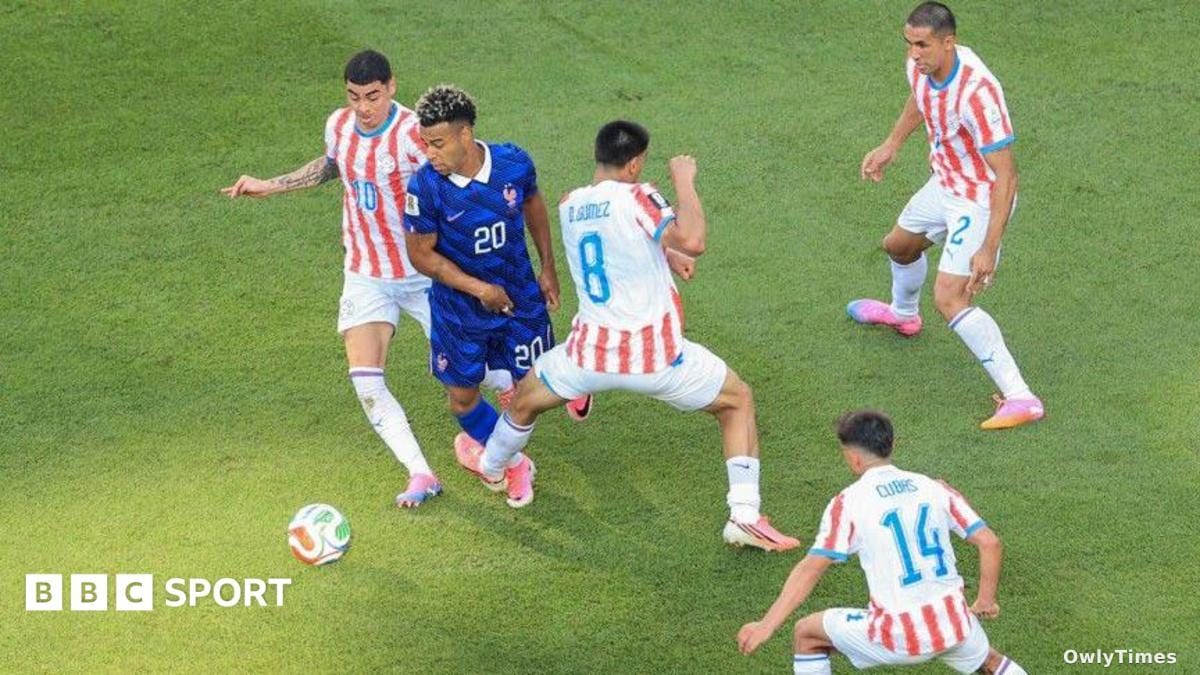
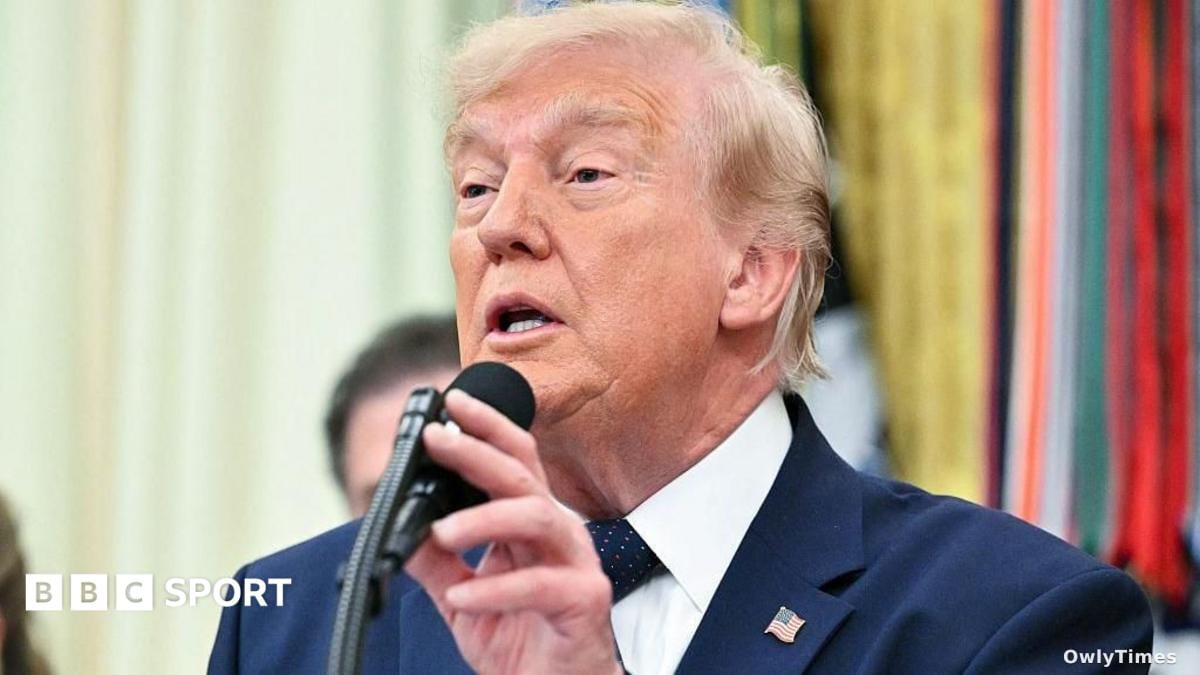
The controversy stems from a straight red card issued to the 25-year-old Balogun during the U.S. victory over Bosnia-Herzegovina, following a challenge on defender Tarik Muharemovic. While Al Jazeera reports that many fans view the original foul as harsh, the intervention of a head of state into a disciplinary process has triggered an existential crisis for the sport. President Trump defended his actions at the White House, stating, "I asked for a review because I didn't think it was a foul," while emphasizing he did not command the outcome. However, CBS News notes that the U.S. Soccer Federation was also hit with a $40,000 fine as part of the ruling, a detail that underscores the unusual nature of the disciplinary pivot.
A Collision of Politics and Pitch
The fallout has transcended sports, prompting rare political condemnation. In a statement reported by Euronews, European Commissioner Glenn Micaleff explicitly stated that "decisions on sporting rules and sporting matters belong to sporting bodies, not politicians," warning that the incident risks the weaponization of sport for political gain. This sentiment was echoed by UEFA, which decried the move as having "crossed a red line," arguing that the integrity of the tournament is undermined when the "certainty of rules" is discarded.
FIFA has leaned on Article 27 of its disciplinary code to justify the suspension of the ban, a move NPR reports is technically allowed but historically rare. While FIFA maintains that its judicial bodies operate autonomously, Infantino admitted in a statement that he had spoken with the U.S. President, noting that he informed Trump the case would be handled through the "competent bodies." The tension is further exacerbated by the Royal Belgian Football Association (RBFA), which remains in a state of high alert. According to the BBC, the RBFA was told its attempt to appeal the decision was inadmissible because they were not considered an "interested party" in the initial disciplinary proceedings.
The Weight of Precedent
Beyond the immediate match, experts fear this decision sets a dangerous, unmanageable precedent. As CBS commentator Nico Cantor noted, the ruling leaves the door open for any future contentious decision to be questioned via executive pressure. The historical context is equally unsettling; NPR highlights that of the 189 red cards issued this tournament, only the 1962 case of Brazil’s Garrincha—which occurred before modern automatic bans—shares a similar cloud of political interference.
Whether the U.S. team advances or falters against Belgium, the "Balogun affair" has already left a permanent mark on the 2026 World Cup. The RBFA has vowed to continue its fight in the "hours, days and months" ahead, signaling that while the striker may be eligible to play tonight, the legal and ethical battle over the autonomy of football’s governance is only just beginning. For the industry, this moment marks a shift where the "rule of law" is no longer just a sporting concern, but a matter of international political friction.