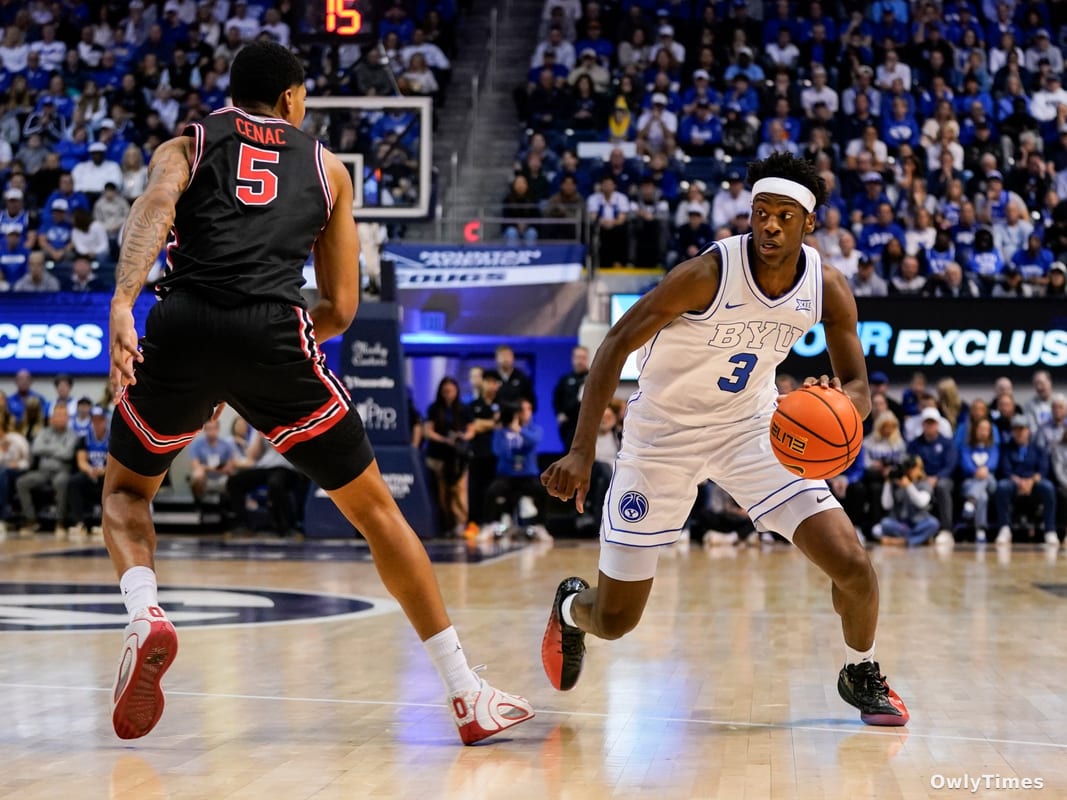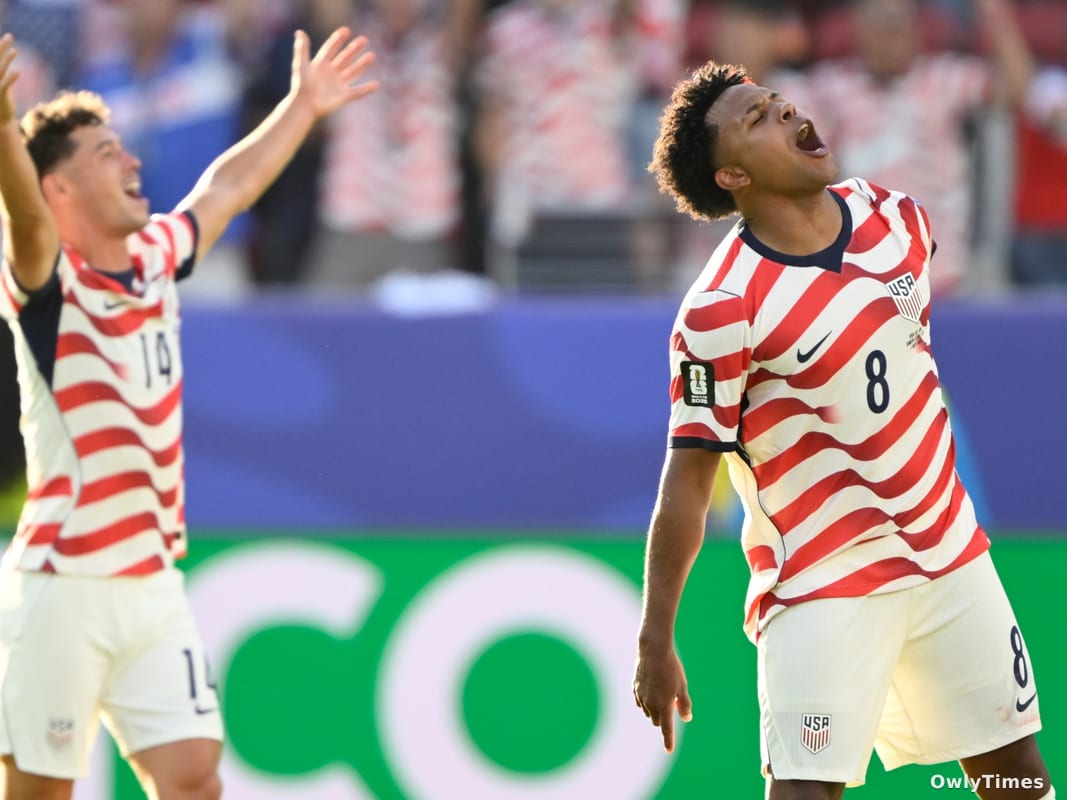

The United States men’s national soccer team has secured a place in the World Cup round of 16 following a 2-0 victory over Bosnia and Herzegovina at Levi’s Stadium in Santa Clara. This result marks only the second time in the modern era that the U.S. has advanced past the group stage in a World Cup knockout match, a milestone that carries significant weight as the team prepares to face Belgium in Seattle on July 6.
A Match Defined by Resilience and Discipline
The path to this victory was far from straightforward. As reported by Al Jazeera, forward Folarin Balogun opened the scoring in the 45th minute, providing the U.S. with a critical advantage heading into halftime. However, the game shifted dramatically in the 64th minute when Balogun was issued a red card for a challenge on Bosnia’s Tarik Muharemović. While CBS News notes that the foul occurred when Balogun stepped on the defender's foot, causing an ankle injury, The Guardian reports that observers remain divided on the severity of the call, with some citing it as a harsh judgment rather than a clear error.
Despite playing with 10 men, the U.S. defense held firm. Malik Tillman eventually sealed the victory in the 81st minute with a free kick from just outside the penalty area. This performance was particularly notable for breaking a 10-game losing streak against European opponents, a drought that CBS News highlights as dating back to a draw against England in the 2022 World Cup.
Interpreting the Outcome: What the Data Says
While headlines celebrate the breakthrough victory, it is important to distinguish the emotional narrative from the tactical reality. The U.S. entered the match as the favorite, a rare position for the team in a knockout round, according to CBS News. However, the "grit" displayed by the squad—often cited by fans and analysts—was a byproduct of necessity rather than design once the team was reduced to 10 players.
The match also highlighted ongoing concerns regarding the team's depth. As The Guardian points out, the U.S. attack will be significantly blunted without Balogun for the next round. Furthermore, the performance of goalkeeper Matt Freese drew scrutiny, with reports indicating he was tested early by Bosnian forward Ermedin Demirović, suggesting that defensive cohesion remains a work in progress under coach Mauricio Pochettino.
Limitations and the Road Ahead
The primary limitation to this narrative of progress is the immediate absence of Balogun, who is ineligible for the match against Belgium due to the mandatory suspension following his red card. While some fans have questioned if the decision could be overturned, analysts like those cited by The Guardian suggest the likelihood of an appeal succeeding is essentially zero, as the dismissal was a subjective refereeing decision.
The next steps for the U.S. will focus on tactical adjustments for the Belgium encounter. The coaching staff must now reconcile the team’s success in "ugly", high-pressure scenarios with the need for sharper, more fluid ball movement. The upcoming match in Seattle will serve as a definitive test of whether this squad can sustain its momentum against a top-tier European opponent, or if the challenges identified in this victory—namely defensive gaps and disciplinary fragility—will prove insurmountable in the next stage of the tournament.