
When a legal system codifies a protection against "junk science," it implies a commitment to evolving alongside our understanding of truth. In 2013, Texas legislators enacted Article 11.073 of the state’s Code of Criminal Procedure, an appeals pathway designed specifically for individuals convicted based on forensic methods that have since been debunked or discredited. Yet, for those currently on death row, this landmark statute has increasingly functioned as a locked door rather than an avenue for justice. The core scientific question at hand is whether the judicial system can effectively recalibrate its reliance on outdated evidentiary standards when the underlying methodology—once accepted as expert testimony—is proven to be a byproduct of psychological manipulation or procedural error.
The case of Charles Flores, who was sentenced to death in 1999 for a capital murder in Farmers Branch, serves as the primary test of this legislative intent. The prosecution’s case against Flores hinged on an eyewitness who identified him in court, but this identification occurred only after an officer from the Farmers Branch Police Department had hypnotized the witness during the investigation. While hypnosis was once a common investigative tool used by agencies like the Department of Public Safety in thousands of cases, it is now widely recognized as a flawed memory retrieval technique; as of 2023, such evidence is inadmissible in Texas criminal courts.
What the headlines regarding this case often overlook is the discrepancy between the law’s stated purpose and its application. While the statute was created to address the evolution of forensics, no prisoner on death row has been granted a new trial under its provisions. In reality, the Court of Criminal Appeals (CCA) has consistently held applicants to an evidentiary standard far higher than the law requires. Rather than merely proving that the science used in their original trial is now suspect—the threshold set by the statute—petitioners are often required to provide “exonerating DNA evidence or an alternate perpetrator,” a bar that effectively renders the "junk science law" inapplicable in cases where such evidence does not exist.
There are significant limitations to consider regarding the current legal landscape. A 2024 report by the Texas Defender Service (TDS) analyzed appeals filed in the decade following the law’s enactment, finding that only 15 people received relief, representing just 20 percent of those who attempted to utilize the statute. Estelle Hebron-Jones, director of special projects with TDS, noted that cases appearing to be ideal candidates for this legal pathway are frequently met with systemic roadblocks. The CCA’s reluctance to grant evidentiary hearings suggests a fundamental tension between legislative reform and judicial autonomy, as seen in the case of Areli Escobar, where even the state’s own attorneys agreed a new trial was warranted, only to be denied by the CCA.
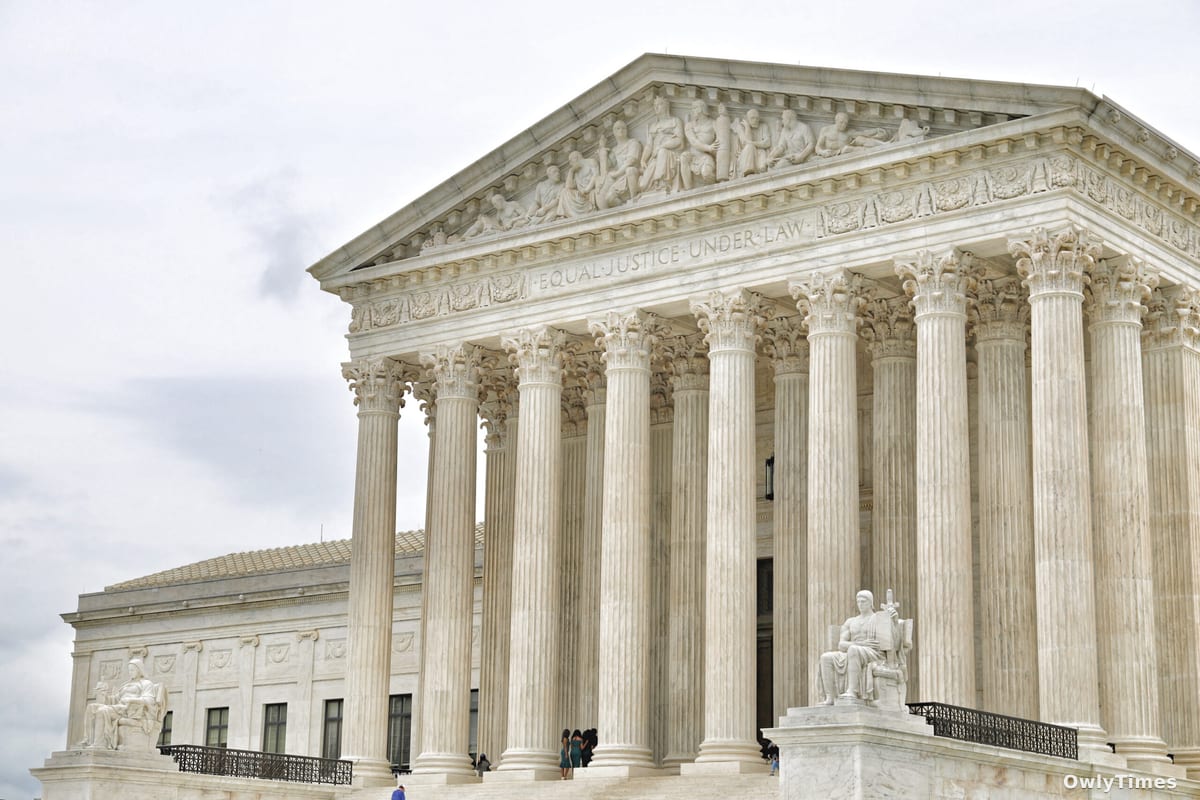
The next steps for this issue now rest with the U.S. Supreme Court, following a petition filed by Flores’ attorney in February. The appeal asks whether the Texas court system is failing to adhere to its own laws, or potentially violating the federal right to due process, by consistently dismissing claims without addressing their merits. While the Supreme Court has not yet decided whether to hear the case, the decision could force the CCA to relax its handling of these appeals. For now, the legal community is watching the next reading of the court’s docket; a grant of certiorari would signal a federal intervention into the state’s application of the junk science law, whereas a denial would leave the statute largely symbolic for those currently seeking to challenge the forensic foundations of their convictions.





