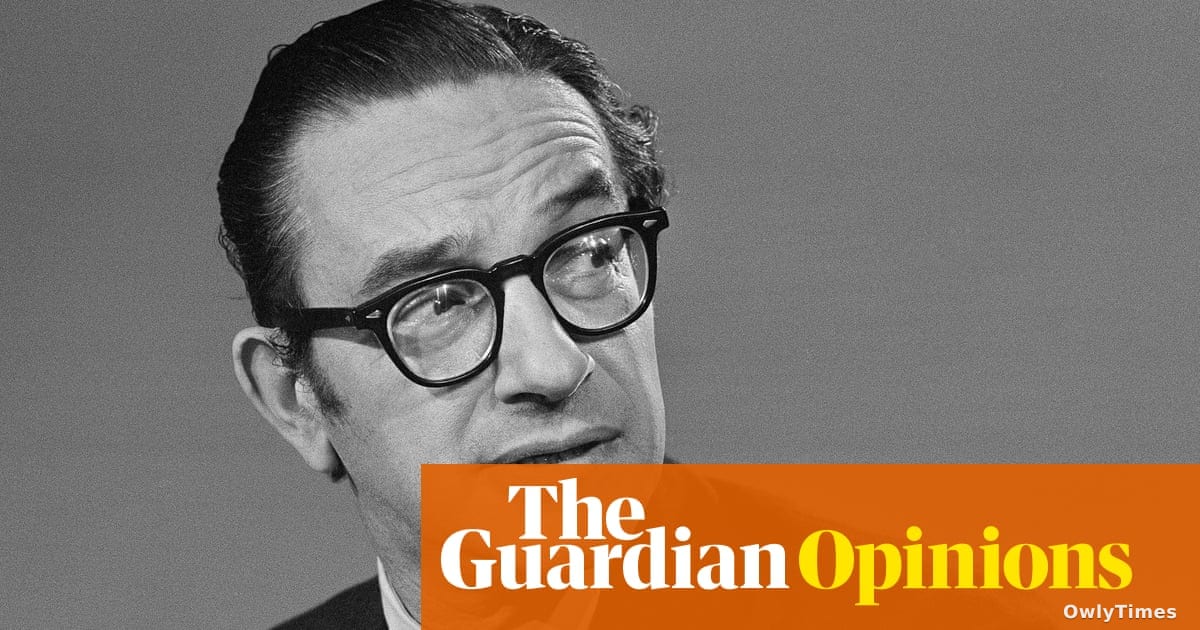

100 years of life and nearly two decades of unprecedented influence at the helm of the Federal Reserve define the legacy of Alan Greenspan, who has died at the age of 100. For the period spanning 11 August 1987 to 31 January 2006, Greenspan did more than guide the U.S. central bank; he exerted a gravitational pull on the global economy that few, if any, private citizens have ever matched. To understand his impact, one must follow the money—and the regulatory philosophy—that defined his tenure.
The Architecture of Influence
Greenspan’s power was built on a foundation of intellectual conviction and institutional longevity. Appointed by Ronald Reagan and serving under George H.W. Bush, Bill Clinton, and George W. Bush, he navigated the U.S. through the 1987 stock market crash and the dot-com collapse of the early 2000s. His approach was characterized by a reliance on low interest rates to stimulate growth, a strategy that earned him plaudits during the "Great Moderation." However, this same reliance on "loose money" became the primary target for critics who argue it fueled the very bubbles he was tasked with managing.
The tensions of his career were perhaps best captured by his own shifting perspective on market efficiency. A devotee of Ayn Rand and a believer in the self-regulating nature of capital, Greenspan famously championed the repeal of the Glass-Steagall Act—a move that dismantled the Depression-era wall between commercial and investment banking. By facilitating the integration of these sectors, he helped create the environment for the 2008 financial crisis, a collapse the world had not seen the likes of since 1929.
A Flaw in the Free-Market Gospel
The contradiction at the heart of the Greenspan era was his public acknowledgment of a systemic failure following his retirement. In a 2008 testimony before a congressional committee, the man who had been the architect of financial deregulation admitted, "I have found a flaw." He confessed that he had operated under the assumption that financial institutions would prioritize their own shareholders’ equity, a belief that he later realized was fundamentally incompatible with the reality of human greed and systemic risk.
This admission serves as a critical data point for any assessment of his career. Despite his reputation for rigorous analytical discipline, the 2008 crisis—which saw millions of Americans lose jobs, savings, and homes—exposed the limits of his free-market ideology. Critics like Robert Reich have long argued that Greenspan’s obsession with deficit reduction and inflation often came at the direct expense of public investment in education and infrastructure, prioritizing the interests of bond traders over the broader American workforce.
Legacy and Market Signals
Greenspan’s death marks the end of an era defined by the cult of the central banker. While the Federal Reserve continues to lean on the credibility he helped establish, the current economic landscape—marked by the volatility of the post-2008 era—suggests that the "God in the machine" model of governance is no longer sufficient. He leaves behind a complex tapestry of sustained growth, punctuated by sharp, systemic corrections that continue to shape financial regulation today.
For investors and consumers, the takeaway from the Greenspan era is a reminder of the inherent volatility in market-driven systems. The next reading of core inflation and interest rate policy by current Fed leadership will indicate whether the institution has truly moved past the "irrational exuberance" of the Greenspan years or if the systemic risks he famously underestimated remain embedded in the architecture of the modern economy.