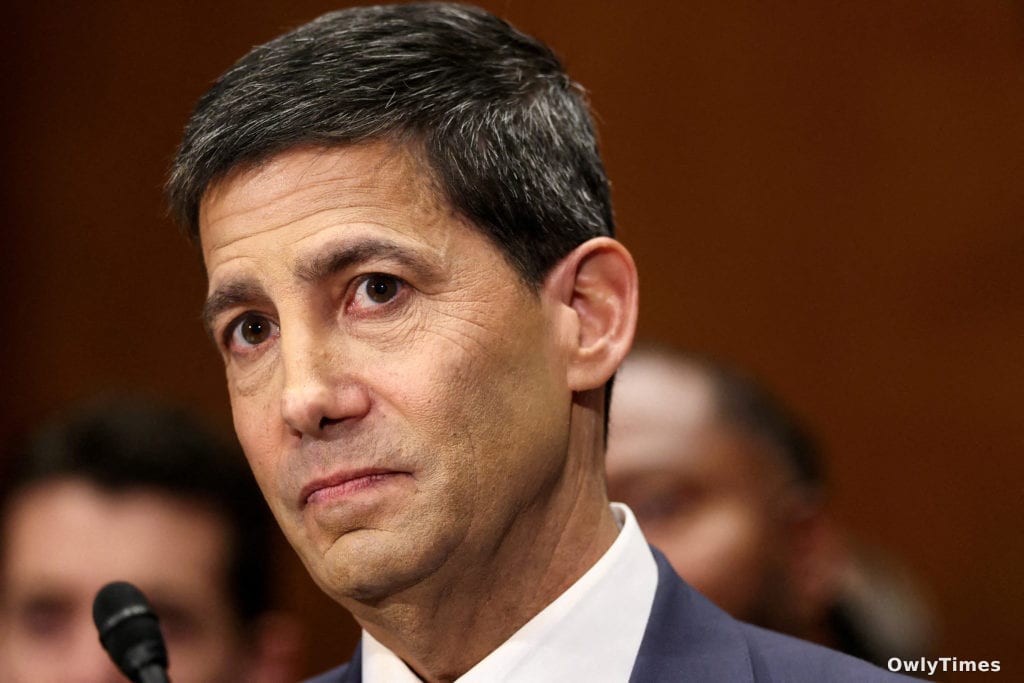

The strategic calculus behind the confirmation of Kevin Warsh to lead the Federal Reserve centers on the restoration of institutional alignment between the executive branch and the nation’s monetary policy apparatus. By securing this confirmation, the administration effectively sidelines the lingering friction caused by the previous Justice Department investigation into Jerome Powell. This move is less about a mere change in personnel and more about the consolidation of a specific economic philosophy within the world’s most powerful central bank.
Clearing the Path Through Legislative Friction
The path to Warsh’s confirmation was far from inevitable. For months, the nomination faced a significant roadblock when Republican Sen. Thom Tillis of North Carolina threatened to stall the process until the investigation into Powell was resolved. This legislative hostage-taking highlighted the fragile power dynamics within the Senate, where a single member can exert outsized influence on high-level appointments.
The resolution arrived in April, when the Justice Department dropped its probe into the outgoing chair. This development was the functional trigger that allowed Senate Majority Leader John Thune, R-S.D., to move the nomination forward. The subsequent confirmation of the 56-year-old Warsh on Wednesday via a largely party-line vote underscores the partisan polarization that currently defines the confirmation process for independent agency heads.
Prioritizing the Microeconomy
During his floor speech on Wednesday morning, Thune articulated the administration’s core justification for this transition. He emphasized that the central bank requires a leader who can balance macro-level economic theory with the realities of the "microeconomy." By framing the appointment as a victory for "hardworking Americans, their jobs and their livelihoods," Thune signaled a shift toward a more populist-aligned central bank mandate.
Who benefits from this new leadership? The administration gains a Fed chair whose mandate is framed by the legislative leadership as being deeply attuned to the micro-level impacts of interest rate decisions. Conversely, those who preferred the institutional continuity represented by the Powell era may find themselves at a disadvantage as the agency shifts toward this new, politically vetted perspective. This transition mirrors the historical necessity of central bank alignment during periods of economic volatility, similar to the institutional shifts observed during the 2008 financial crisis, when the Fed was forced to reconcile its traditional mandate with immediate, ground-level economic collapse.
Navigating a Fraught Economic Landscape
Warsh steps into this role at a moment defined by global economic instability. As a former top Fed official, he possesses the institutional memory required to navigate the agency, yet he faces an environment that is arguably more politically fraught than his previous tenure. The contradiction between the Fed’s traditional independence and the high-profile, party-line nature of his confirmation will be a defining tension of his early term.
The political chess move to watch next will be the first public policy signals sent by Warsh regarding interest rate adjustments. His inaugural statements will be scrutinized for how they align with Thune’s stated expectations for a micro-focused economic approach, providing the first measurable data point on whether the Fed will pivot from its recent policy trajectory or maintain its current stance.