
Is the history of rock and roll just a collection of dusty vinyl records, or is it the foundational code upon which our modern digital media landscape was built? The real story here isn't just the passing of an icon—it's how the "Boom Boom" sound of the late 1950s created a blueprint for the viral, high-energy engagement we crave in our algorithm-driven world today.
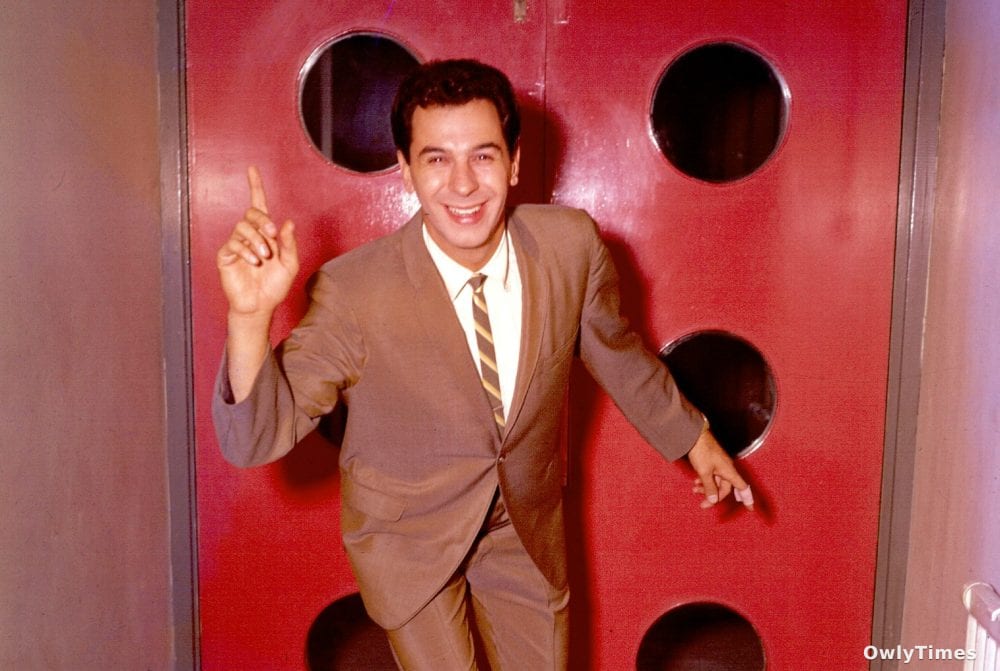
Freddy Cannon, born Frederick Anthony Picariello Jr., died on July 17 at a hospice facility in California following a brief battle with cancer, according to Deadline. He was 89. His passing was confirmed by his longtime friend and iHeart Radio producer Tom Cuddy, who noted that Cannon had been hospitalized on July 10, forcing the cancellation of a final interview scheduled with legendary DJ “Cousin Brucie” Morrow on July 11, as reported by both Variety and The Hollywood Reporter.
To understand Cannon’s impact, think of him as the original "optimizer" of the pop music era. While many of his contemporaries were focused on moody ballads, Cannon—guided by the strategic instincts of Dick Clark—was obsessed with tempo and percussive power. Clark reportedly urged the Massachusetts-born singer to move to Philadelphia and re-edit his tracks to emphasize the bass drums, a technical tweak that birthed the "Boom Boom" signature sound. As Cuddy told Variety, Clark made Cannon a fixture at oldies concerts specifically because he knew the singer could get an audience on their feet instantly.
This ability to command attention translated into staggering metrics for the era. Cannon holds the record for the most appearances on American Bandstand, with 110 visits, according to The Hollywood Reporter. While Deadline provides a slightly more conservative estimate of "over 100" visits, the sheer volume of his television presence established a precedent for the cross-platform promotion that defines modern influencer culture. His 1959 hit "Tallahassee Lassie" peaked at No. 6 on the Billboard Hot 100, while his 1962 smash "Palisades Park" reached No. 3, cementing his status as a hit-maker who understood how to package upbeat, high-tempo rock for the masses.
The ripple effects of these tracks were felt far beyond the top 40 charts. Mick Jagger famously credited the groove of "Brown Sugar" to Cannon’s influence, and Robert Plant noted that Led Zeppelin frequently jammed to "Tallahassee Lassie" in their early days, per Deadline. Even Stephen King wove Cannon’s music into the fabric of his prose, featuring "Palisades Park" in his novel 11/22/63. This isn't just trivia; it demonstrates how Cannon’s specific, punchy songwriting became a shared cultural reference point for generations of creators.
Even in his final months, Cannon remained technically active. Deadline reports that he recorded a new song this year, "All She Wants To Do Is Dance," which reached the Top 20 on the U.K. Heritage Charts. It is a sharp reminder that for artists of the analog age, the drive to produce never truly goes offline.
What happens next is a measurable shift in how we archive that legacy. While his family—including children Conny Weber and Billy Cannon—mourns his loss, the industry will likely see a surge in digital streaming and re-releases of his catalog, particularly given his recent chart success. Watch for the inevitable licensing of his master recordings in upcoming nostalgia-driven film projects, as his music has already appeared in everything from X-Men: First Class to Confessions of a Dangerous Mind. If history is any indication, the "Boom Boom" sound isn't going anywhere; it’s just being remixed for the next generation of listeners.