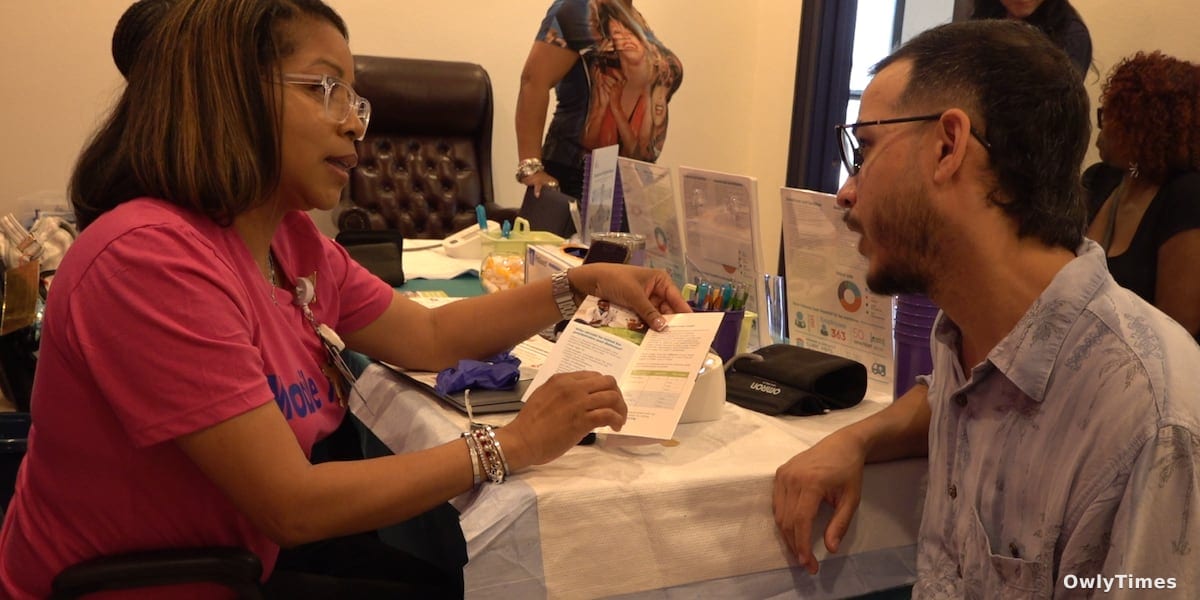

The insistent pulse of New Orleans music often masks a quieter crisis: the precarious health of the musicians who create it. While the city prepares to welcome millions for festival season – a period of intense performance demands – a recent initiative by the local chapter of the American Federation of Musicians (AFM) reveals a stark reality. It’s not simply about ensuring musicians are “fit for peak season,” as some headlines suggest; it’s about addressing systemic vulnerabilities that leave a significant portion of the city’s cultural workforce without access to basic healthcare, and the resulting toll on their well-being. The free health clinic held in Treme on March 21st wasn’t a celebratory prelude to tourism, but a necessary intervention born from years of observing a pattern of preventable illness within the musical community.
A Portrait of Uninsured Risk
The AFM clinic, offering free blood pressure, glucose, vision, and hearing screenings, wasn’t designed as a research study with a formal methodology. However, the observations of Naydja CoJoe, union treasurer and secretary – and a vocalist with the legendary Dixie Cups – paint a concerning picture. She described a prevalence of chronic conditions among musicians, including hypertension, congestive heart failure, and kidney problems, compounded by high rates of smoking and alcohol consumption. While these observations aren’t statistically representative of all New Orleans musicians, they align with broader trends in the gig economy and the arts sector, where consistent employment and employer-sponsored health insurance are rare. Nationally, studies by the National Endowment for the Arts have shown that artists are significantly more likely to be uninsured than workers in other industries – a figure hovering around 30% compared to the national average of roughly 8%. The AFM clinic, therefore, wasn’t identifying a new problem, but rather making visible a long-standing one within a particularly vulnerable local population.
Source material: fox8live.com.
Beyond the Gig: The Economics of Musical Labor
The challenges faced by New Orleans musicians aren’t solely medical; they are deeply intertwined with the economic realities of their profession. The city’s vibrant music scene relies heavily on freelance work – a patchwork of gigs, sessions, and teaching positions. This structure, while offering artistic freedom, often excludes musicians from traditional benefits packages. Even successful musicians can find themselves navigating complex insurance landscapes, facing high premiums, and struggling with inconsistent income. The clinic’s existence highlights a critical gap in the social safety net for those who contribute so significantly to the city’s identity and economy. It’s a situation that demands attention not just from healthcare providers, but from policymakers considering the economic sustainability of the arts.
What the Headlines Missed About Preventative Care
Initial reports focused on the provision of the clinic, framing it as a charitable act. While the generosity of the AFM is undeniable, this framing obscures a more fundamental issue. The clinic wasn’t simply offering treatment; it was offering preventative care. Early detection of high blood pressure or glucose levels can dramatically alter health trajectories, preventing costly and debilitating illnesses down the line. The fact that musicians are often delaying or forgoing this type of care due to financial constraints represents a significant loss – not only for individual musicians, but for the city’s cultural ecosystem. A musician sidelined by a preventable health crisis is a musician unable to perform, teach, or contribute to the vibrant soundscape of New Orleans.
Limitations to Consider and Future Directions
It’s important to acknowledge the limitations of drawing broad conclusions from the AFM clinic. The attendees were self-selected – those already motivated to seek preventative care or aware of the event. This introduces a potential bias, as those with the most pressing health concerns might be less likely to attend due to logistical barriers or fear of diagnosis. Furthermore, the clinic provided only a snapshot of health indicators, lacking the longitudinal data needed to establish definitive trends. However, the event serves as a crucial starting point for more comprehensive research. Future studies should focus on quantifying the prevalence of chronic conditions among New Orleans musicians, identifying the specific barriers to healthcare access, and evaluating the effectiveness of different intervention strategies. Perhaps most importantly, researchers should explore sustainable funding models for providing affordable healthcare to freelance artists – a challenge that extends far beyond the borders of New Orleans. The question now isn’t just whether the AFM will host another clinic next spring, but whether the city will invest in the long-term health and well-being of the musicians who make it sing.