
Beyond the Declaration: What Delaware County’s Emergency Response Tells Us About Healthcare System Resilience
The unanimous vote by the Delaware County Council to lift its disaster declaration, initially enacted in response to the near-collapse of Crozer Health, isn’t a signal of complete recovery – it’s a carefully calibrated acknowledgement of a new normal. While headlines focus on the end of the declaration itself, the underlying story is far more complex, revealing the fragile infrastructure supporting emergency medical services and the significant, measurable impact of hospital closures on access to care. The declaration wasn’t about a single event; it was a temporary measure to address a cascading series of consequences stemming from a private equity firm’s bankruptcy and subsequent hospital shutdowns, and its lifting doesn’t erase those consequences.
See the original whyy.org story for the full account.
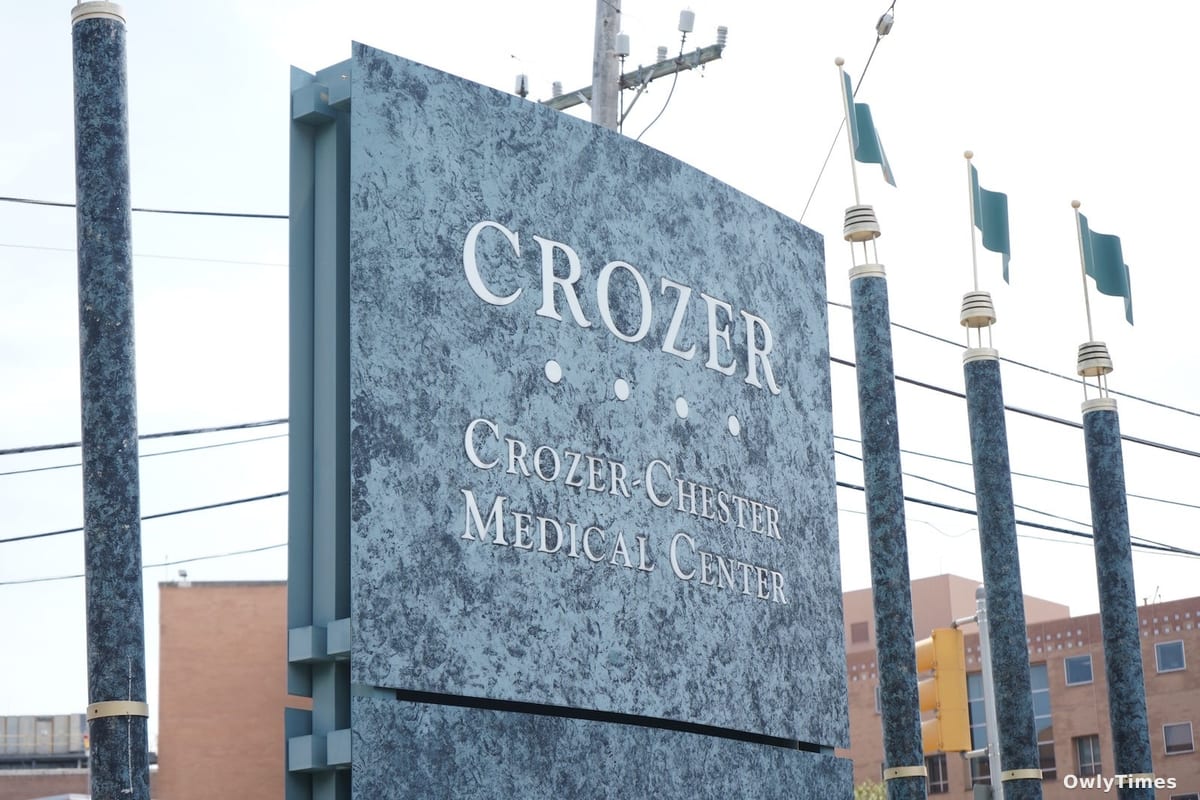
The situation began to unravel in January 2025 when Prospect Medical Holdings, Crozer Health’s parent company based in California, filed for bankruptcy. Despite attempts at negotiation with state officials, Prospect ultimately closed both Crozer-Chester Medical Center and Taylor Hospital in the spring of that year. This wasn’t simply a matter of consolidating services; Crozer had previously provided ambulance coverage to over half of Delaware County, Pennsylvania’s second-most densely populated county. Christine Reuther, a Delaware County Councilmember, framed the initial declaration as a response to “consequences relating to largely emergency services,” a deliberately narrow focus that reflects the immediate crisis: ensuring ambulance coverage didn’t completely disintegrate. The county, with support from the Foundation for Delaware County, swiftly worked to allocate funds, enabling municipalities to establish their own emergency medical service contracts. Barbara O’Malley, the county executive director, emphasized this success, stating that “all of our communities have been able to establish their own contracts.”
However, framing this as a complete restoration of service obscures a critical detail: the quality of that service has demonstrably declined. Delaware County EMS data reveals that ambulance trips to hospitals are now more than three times longer than they were in 2018. This isn’t a marginal increase; it represents a substantial strain on the system, forcing patients to travel significantly further for care. Longer transport times directly correlate with poorer patient outcomes in emergency situations, particularly for conditions like stroke or heart attack where minutes matter. While the county has successfully ensured access to ambulance services, it hasn’t addressed the growing distance patients must travel to receive definitive care. O’Malley acknowledged the ongoing need for emergency room services, but the county’s focus remains on ambulance coverage, a distinction that highlights a potential gap in comprehensive emergency care planning.
The speed with which the county acted to secure alternative ambulance contracts is commendable, but it also reveals a reliance on a patchwork system of municipal agreements. This decentralized approach, while expedient in the short term, lacks the economies of scale and coordinated planning that a regional healthcare authority might provide. The disaster declaration served as a temporary bandage, allowing time to address the immediate crisis, but it didn’t fundamentally alter the underlying vulnerabilities of the healthcare landscape. The county’s reliance on the Foundation for Delaware County for funding also raises questions about the long-term sustainability of this model. Philanthropic support is valuable, but it’s not a substitute for consistent, dedicated public funding.
It’s also important to note the simultaneous ending of a separate disaster declaration related to a state budget impasse. Combining these two resolutions into a single vote risks conflating distinct issues and potentially downplaying the severity of the Crozer Health fallout. The budget impasse, while disruptive, didn’t directly threaten access to emergency medical care in the same way the hospital closures did. This bundling suggests a desire to present a narrative of overall crisis resolution, rather than acknowledging the ongoing challenges specific to healthcare access.
Looking ahead, the crucial question isn’t whether Delaware County can maintain ambulance coverage – it has, for now – but whether it can proactively address the increasing travel times and the resulting impact on patient outcomes. Will the county invest in regional planning to optimize hospital network efficiency, or will it continue to rely on a fragmented system of municipal contracts? Residents should be watching for data on emergency department wait times and patient outcomes in the coming months, specifically comparing those metrics to pre-Crozer closure levels. The lifting of the disaster declaration isn’t an ending; it’s a turning point, and the choices made now will determine the future of emergency healthcare in Delaware County.