
The $3.65 Gamble: How Rising Fuel Costs Are Rewriting Small Business Margins
A 30% surge in fuel costs is quietly reshaping the economics of local delivery, and Tammy West’s floral business, Make It Glow, offers a stark illustration. While national headlines focus on headline inflation, the real-time impact on businesses reliant on consistent, localized transport is proving more immediate – and forcing difficult choices about absorbing costs rather than passing them on to consumers. West, who launched her Tuscaloosa-based company six years ago, now spends roughly $65 to fill her SUV, up from $50 before recent geopolitical instability, a jump that directly threatens the thin margins of businesses like hers. This isn’t simply about gas prices; it’s about a cascading effect rippling through the supply chain and forcing entrepreneurs to bet on future price stability.
Beyond the Pump: The Hidden Costs of Delivery Networks
The significance of this 30% increase extends far beyond West’s single SUV. Consider the scale: Make It Glow completes approximately 150 deliveries annually during peak seasons – Easter, graduations, football season, and the winter holidays. Each delivery, however short, adds to the cumulative fuel expense. This highlights a critical, often overlooked aspect of the “last mile” delivery problem: the disproportionate impact on small businesses lacking the negotiating power of larger corporations. While Amazon or FedEx can leverage volume discounts and optimize routes with sophisticated logistics, local businesses are often at the mercy of fluctuating prices and limited operational flexibility. Furthermore, West notes her distributor has also increased prices for transport from Birmingham to Tuscaloosa, demonstrating the inflationary pressure isn’t isolated to fuel.
Original reporting: wbrc.com.
Loyalty vs. Profit: A Delicate Balancing Act
West’s decision to absorb the increased fuel costs, rather than raising prices for her customers, is a calculated risk rooted in customer retention. She explicitly prioritizes “loyalty” and “affordability,” recognizing that a price hike could alienate her existing clientele. This strategy, however, isn’t sustainable in the long term. While admirable, it effectively shrinks her profit margin, reducing her capacity for reinvestment and potentially hindering future growth. This is a common dilemma facing small business owners: the fear of losing customers versus the necessity of maintaining financial viability. The data suggests this isn’t an isolated case; a recent survey by the National Federation of Independent Business (NFIB) revealed that 28% of small business owners reported increased costs from fuel and transportation in the last quarter, with only 15% planning to pass those costs onto customers.
The Tuscaloosa Microcosm: A Regional Economic Indicator
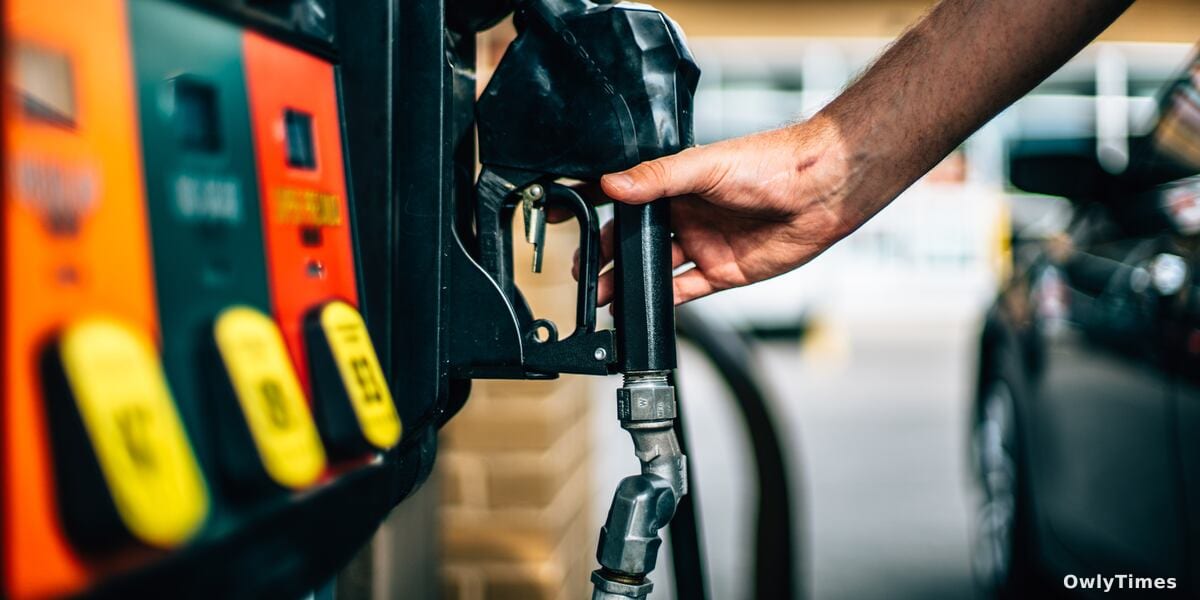
The situation in Tuscaloosa, as reported by WBRC, isn’t an anomaly. Alabama’s average gasoline price of $3.65 per gallon, while below the national average, still represents a significant burden for businesses operating on tight margins. The concentration of deliveries to businesses like the Tuscaloosa realtor’s office – with 15 more deliveries scheduled in a single day – underscores the reliance of local economies on efficient, affordable transport. This localized impact is particularly relevant in regions heavily dependent on small businesses, where the cumulative effect of rising fuel costs can be substantial. The fact that West frames her outlook as “big picture” suggests a broader awareness of macroeconomic forces at play, but also a pragmatic acceptance of short-term challenges.
What this means for your wallet: The Delivery Fee Question
Tammy West’s story isn’t just about flowers; it’s about the hidden costs embedded in every delivery you receive. While she’s currently absorbing the $15 increase per tank of gas, the question is how long that can last. Watch for a subtle shift in business models: smaller delivery radii, increased minimum order values, or the introduction of tiered delivery fees. The next time you order takeout, groceries, or a bouquet of flowers, consider whether the convenience is accurately reflected in the price. Are you, as the consumer, implicitly subsidizing the fuel costs of the businesses you patronize? The sustainability of the current model – where businesses absorb rising costs to maintain customer loyalty – hinges on a single, uncertain variable: when, and by how much, fuel prices will fall.