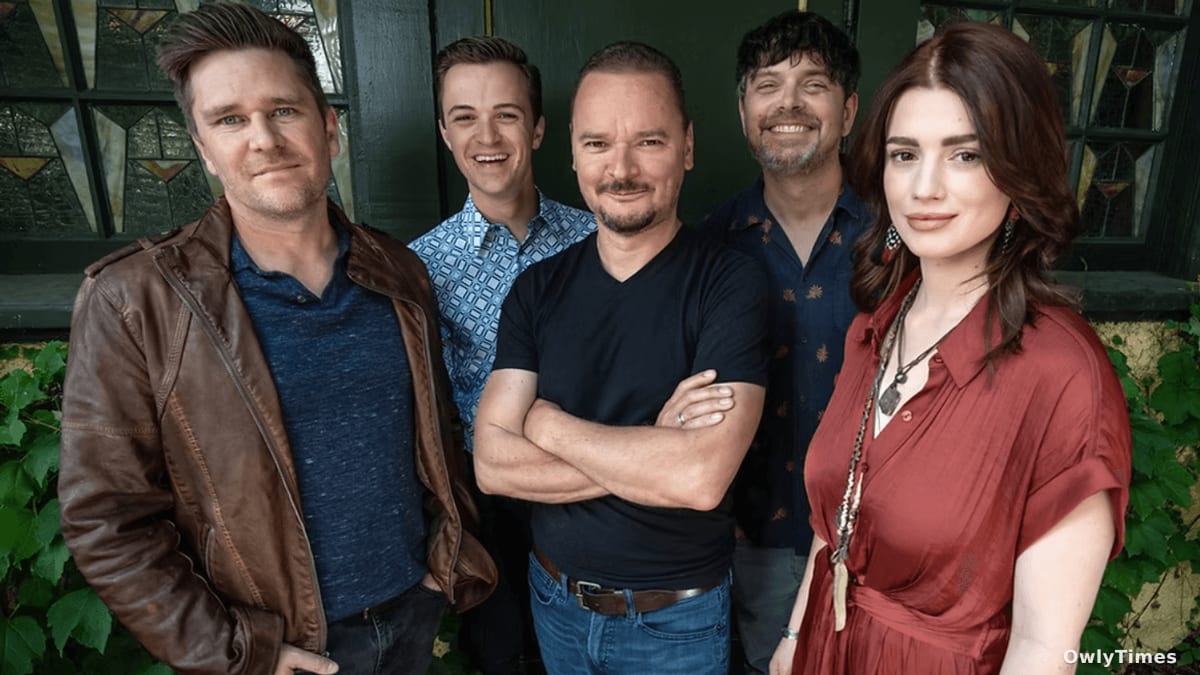

The scent of kettle corn and damp grass hangs in the air, a phantom memory for many Ohioans still thawing from a particularly brutal winter. But for the organizers of the Dublin Irish Festival, it’s a scent already being meticulously planned for, a promise of late summer warmth and a cultural immersion that draws over 200,000 attendees annually. The 2026 lineup, revealed this morning, isn’t just a list of bands; it’s a carefully calibrated response to a shifting cultural landscape, and a bet on the enduring power of tradition in an increasingly fragmented world. Headlining once again is Gaelic Storm, a band that’s become synonymous with the festival itself, but their return speaks to something larger than just fan service.
The Enduring Appeal of “Irishness” in America
It’s easy to dismiss the Dublin Irish Festival as a niche event, a weekend for those with a direct lineage to the Emerald Isle. But the festival’s consistent growth – attendance has risen 15% over the last five years, outpacing similar cultural festivals in the Midwest – suggests a broader phenomenon at play. In a nation grappling with questions of identity and belonging, “Irishness” has become a surprisingly malleable and attractive cultural marker. It’s a heritage that doesn’t carry the weight of historical trauma for many Americans, offering instead a romanticized vision of community, music, and storytelling. Gaelic Storm, with their high-energy blend of Celtic rock and traditional Irish music, perfectly embodies this accessible, celebratory side of Irish culture. Their music, featured prominently in the film Titanic, has introduced generations to the sounds of Ireland, and their continued presence at Dublin ensures that connection remains strong.
See the original abc6onyourside.com story for the full account.
Beyond the Music: A Festival as Cultural Anchor
The Dublin Irish Festival isn’t simply a concert series. It’s a meticulously constructed ecosystem of cultural experiences. Beyond the music stages – which will host hundreds of performers in 2026 – the festival features Irish cultural exhibits, language lessons, genealogy workshops, and even “Celtic Canines,” a popular dog show celebrating breeds with Celtic origins. This holistic approach is a deliberate strategy, according to festival director Jana McKinley, who stated in a press release that the goal is to “create an immersive experience that goes beyond surface-level entertainment.” This is particularly crucial in an era where cultural experiences are increasingly commodified and diluted. The festival’s commitment to authenticity – partnering with Irish artisans and cultural organizations – sets it apart from other large-scale events that prioritize spectacle over substance. The family fun zones, while geared towards younger attendees, also serve to transmit these traditions to the next generation, ensuring the festival’s longevity.
The Economic Ripple Effect of Cultural Tourism
The economic impact of the Dublin Irish Festival extends far beyond the three days of performances. A 2024 economic impact study commissioned by the city of Dublin estimated that the festival generates over $12 million in direct spending within the local economy, supporting hundreds of jobs in the hospitality, retail, and transportation sectors. This makes the festival a significant driver of tourism, attracting visitors from across Ohio and neighboring states. However, the festival’s success also presents challenges. Increased traffic congestion and strain on local resources are ongoing concerns, prompting city officials to invest in infrastructure improvements and explore alternative transportation options. The festival’s organizers are also working to address concerns about accessibility and affordability, ensuring that the event remains inclusive for all members of the community. Ticket prices for 2026 remain consistent with 2024 rates, a conscious decision to avoid pricing out long-time attendees.
What Does This Mean for the Future of Festivals?
The Dublin Irish Festival’s continued success isn’t just a win for the city of Dublin; it’s a case study in how cultural festivals can thrive in the 21st century. By prioritizing authenticity, community engagement, and economic sustainability, the festival has positioned itself as a vital cultural anchor in a rapidly changing world. But the question remains: can this model be replicated? As larger entertainment conglomerates increasingly dominate the festival landscape, will smaller, community-focused events be able to compete? The Dublin Irish Festival’s commitment to its core values – celebrating Irish culture and fostering a sense of belonging – may be its greatest strength, but it will need to continue to innovate and adapt to remain relevant in the years to come. Will we see other festivals leaning into deeply specific cultural experiences, or will the trend continue towards homogenized, mass-appeal events? That’s the tune we should all be listening for.