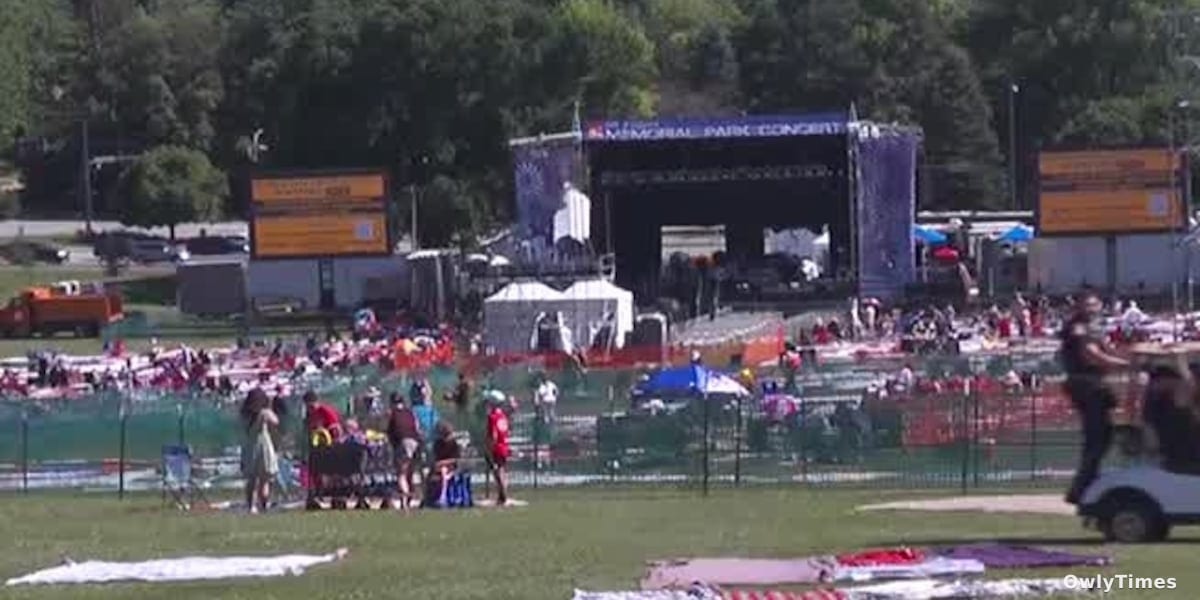

The late afternoon sun cast long shadows across Memorial Park as John Ewing Jr., Omaha’s mayor, stood at the podium Monday, a slight breeze ruffling the papers in his hand. It wasn’t the announcement of a new city ordinance or infrastructure project that drew the crowd, but a promise of summer’s soundtrack: the annual Memorial Park Concert and Fireworks Show. This year’s lineup, featuring the iconic Smokey Robinson and the genre-bending band CAKE, feels less like a typical municipal event and more like a deliberate attempt to bridge generational divides – a cultural offering at a moment when those divides feel particularly stark. It’s a booking that speaks volumes about what Omaha wants to project to itself, and the nation.
A Motown Legend and the Irony of Alt-Rock
The choice of Smokey Robinson isn’t simply about nostalgia, though the pull of hits like “You’ve Really Got a Hold on Me” and “The Tracks of My Tears” is undeniable. Robinson, a co-founder of Motown Records, represents a pivotal moment in American music history – a time when Black artists were breaking down barriers and shaping the sound of a generation. His career, spanning four decades, is a testament to enduring talent and the power of music to transcend social boundaries. But placing him alongside CAKE, a band known for its ironic detachment and often sardonic lyrics, is where the real intrigue lies. CAKE, formed in the 1990s, built a following by subverting rock conventions, blending genres, and offering a distinctly Californian cool. Their hits, like “Short Skirt / Long Jacket” and “The Distance,” are anthems of a generation grappling with disillusionment.
Source material: wowt.com.
This pairing isn’t accidental. Omaha, like many Midwestern cities, is experiencing a demographic shift, with younger generations seeking cultural experiences that reflect their values. The city’s previous concert lineups – featuring artists like Ringo Starr, Roger Daltrey, and Joan Jett & The Blackhearts – leaned heavily into classic rock, appealing to a loyal but aging fanbase. While those shows were undoubtedly successful, attendance figures have plateaued in recent years, averaging around 25,000 attendees according to city records. This year’s booking suggests a conscious effort to broaden the appeal, to attract a younger audience without alienating the established one. It’s a gamble, but one that reflects a broader trend in event planning: the need to curate experiences that resonate with diverse tastes.
Beyond the Headlines: The Economics of Nostalgia and New Sounds
The economic impact of the concert extends beyond ticket sales and hotel bookings. Local businesses anticipate a surge in foot traffic, particularly restaurants and bars near Memorial Park. However, the real story is how this event fits into Omaha’s larger strategy for attracting and retaining talent. Cities are increasingly competing for skilled workers, and cultural amenities are a key differentiator. A vibrant music scene, exemplified by events like this concert, signals a city that’s dynamic, forward-thinking, and worth investing in. The fact that CAKE is currently working on their ninth album, slated for release later this year, adds another layer of appeal – it’s not just a legacy act, but a band actively creating new music. This contrasts with some touring acts that rely solely on past hits, offering a more compelling draw for music enthusiasts.
The city’s investment in this event – the exact cost wasn’t disclosed in Mayor Ewing’s announcement – is also a statement about the value of public spaces and shared experiences. In an era of increasing social fragmentation, events like the Memorial Park Concert offer a rare opportunity for people from all walks of life to come together and celebrate. This is particularly poignant given the current political climate, marked by deep divisions and a sense of collective anxiety. The concert, in a way, is a temporary reprieve, a chance to reconnect with a sense of community.
What This Means for the Future of City-Sponsored Events
The success of this concert – and by success, I mean its ability to draw a diverse crowd and generate positive economic impact – will likely shape the future of city-sponsored events in Omaha and beyond. If Ewing’s team can demonstrate that a multi-generational lineup can attract a larger and more engaged audience, it could pave the way for more innovative and inclusive programming. The challenge will be to balance the desire for established headliners with the need to showcase emerging artists and diverse genres. Will Omaha continue to lean into this strategy of pairing legacy acts with contemporary artists? Or will it revert to a more predictable formula? The answer will depend on a careful analysis of attendance data, economic impact, and public feedback. But one thing is clear: the days of relying solely on classic rock to fill Memorial Park are likely over. The question now is whether other cities will follow Omaha’s lead, recognizing that a vibrant cultural scene is not just a luxury, but a necessity for attracting and retaining a thriving community.