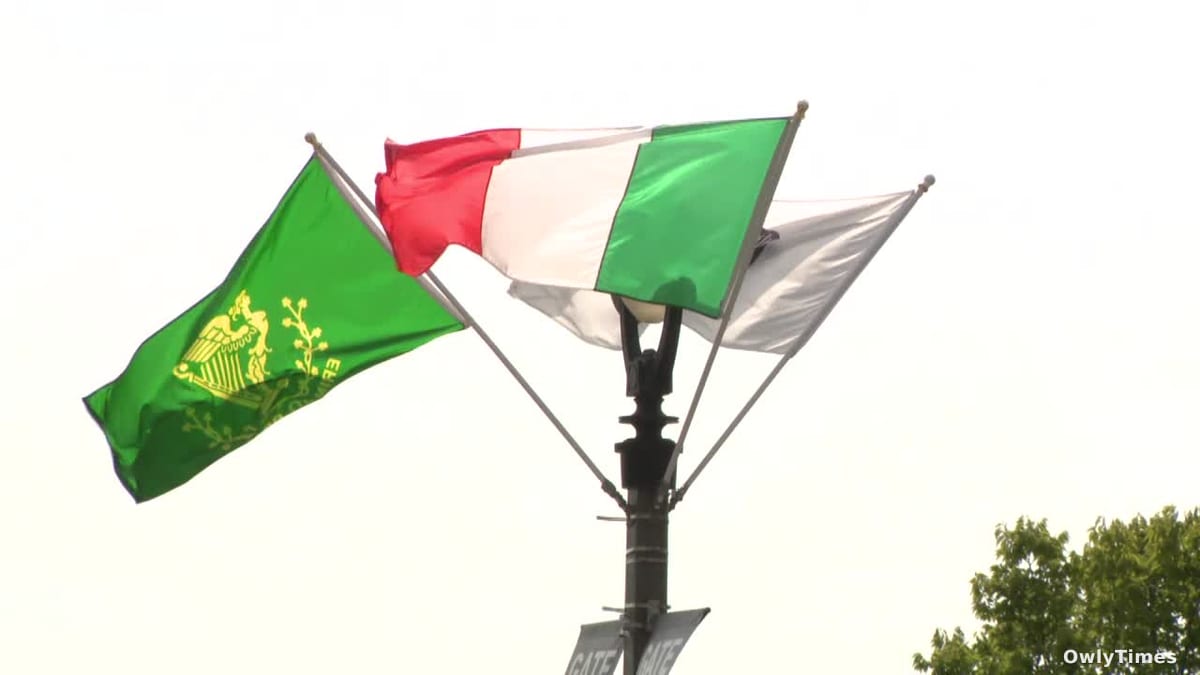

The scent of roasted corn and the distant thrum of a bodhrán drum hung in the air, even in early March. Not at Maier Festival Park, of course, but in the minds of Milwaukeeans as Milwaukee Irish Fest organizers unveiled their 2026 lineup on Thursday. It’s a familiar ritual – the first real signal that summer, and a specific kind of joyful, multi-generational gathering, is on its way. But this year’s announcement feels less like a simple entertainment listing and more like a carefully calibrated response to a shifting cultural landscape, a question of how tradition adapts when TikTok bagpipers go viral.
A Lineup Bridging Generations and Platforms
The returning headliners – Gaelic Storm, the Gardiner Brothers, Altan, Scythian, Eileen Ivers, and JigJam – represent the bedrock of Irish Fest’s appeal. These are acts that have built loyal followings over decades, drawing attendees who’ve been coming to the festival since its inception in 1981. But organizers aren’t relying solely on nostalgia. The 2026 lineup deliberately introduces artists who speak to a younger, digitally-native audience. Wickerlight, a quartet blending traditional Irish music with rock influences, and Biird, an all-female traditional powerhouse, signal a willingness to experiment. And then there’s Ally the Piper, whose short-form videos have garnered a massive following, bringing the sound of the Great Highland bagpipe to millions who might never have encountered it otherwise. This isn’t just about booking popular acts; it’s about acknowledging where cultural discovery happens now.
Original reporting: fox6now.com.
Beyond the Headlines: The Economics of Festivities
The festival’s decision to launch a buy-one-get-one ticket promotion, running through March 18, is a telling detail. While framed as a St. Patrick’s Day celebration, it’s a strategic move in a competitive entertainment market. General admission ticket prices haven’t been released, but the BOGO offer is explicitly positioned as the “lowest available price.” This suggests organizers are keenly aware of economic pressures facing families, with inflation still impacting discretionary spending. Compared to 2023, when average festival ticket prices rose 15% nationally according to Pollstar, Irish Fest appears to be proactively addressing affordability. It’s a gamble – discounting can devalue a brand – but it’s a calculated one, prioritizing accessibility over maximizing immediate revenue.
The Evolution of “Irish Culture” in America
What does it even mean to celebrate “Irish culture” in 2026? For decades, Irish Fest has been a cornerstone of Milwaukee’s identity, a place where descendants of Irish immigrants could connect with their heritage. But the definition of that heritage is expanding. The inclusion of artists like Campbell and Jensen, an Irish American folk duo, highlights the evolving nature of the diaspora experience. It’s no longer solely about preserving traditions from Ireland, but about creating new ones within the American context. This shift reflects a broader trend in cultural festivals – a move away from rigid authenticity towards a more inclusive and dynamic understanding of identity. The festival boasts “more than 16 stages of entertainment,” a scale that demands a diverse offering to satisfy a broad audience.
Why This Matters for the Future of Festivals
The success of Milwaukee Irish Fest in 2026 won’t be measured solely by ticket sales or social media engagement. It will be determined by its ability to navigate the tension between honoring its legacy and embracing the future. Can a festival rooted in tradition remain relevant in a world dominated by fleeting trends? The inclusion of Ally the Piper is a bold statement, acknowledging the power of digital platforms to introduce new audiences to Irish music. But will that translate into sustained engagement, or simply a momentary spike in interest? The question isn’t whether Irish Fest can survive, but whether it can evolve into a model for other cultural festivals grappling with similar challenges – how to stay true to their roots while reaching a new generation of attendees. Will other festivals follow suit, actively seeking out artists who thrive in the digital sphere, or will they cling to established acts and risk becoming relics of the past?