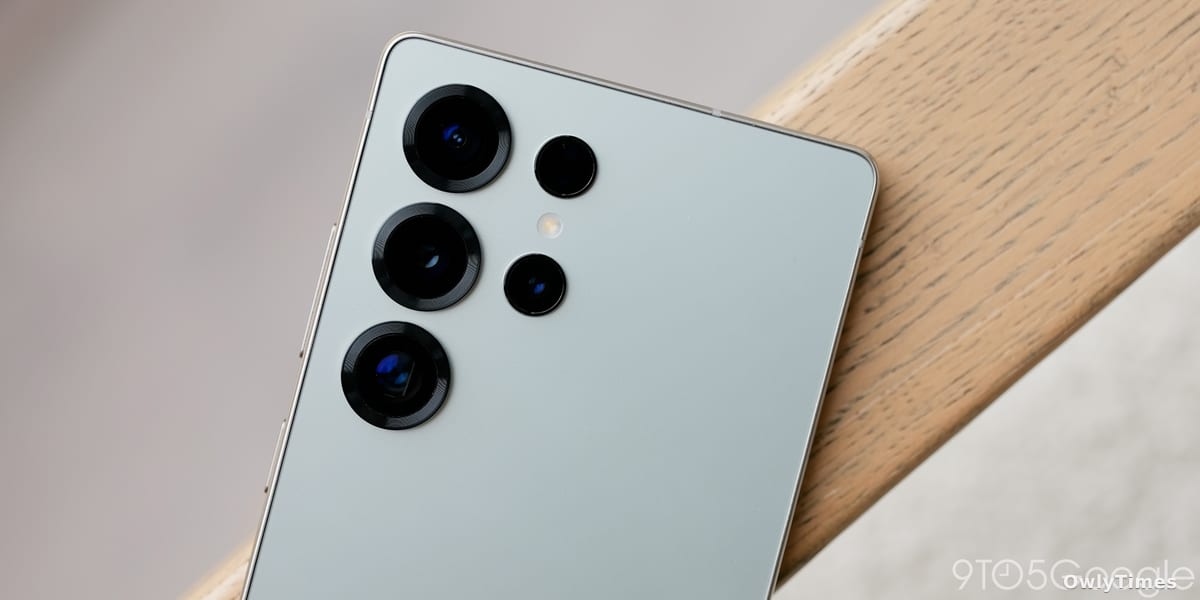

Is your next smartphone camera actually… a really good AI prompt engine? Samsung seems to be suggesting as much with its relentless teasing of the Galaxy S26, and the real story here isn't a revolutionary new lens – it’s the company’s full-throated embrace of artificial intelligence as the primary driver of the mobile photography experience. We’ve moved beyond megapixels, beyond optical zoom, and are rapidly approaching a world where the quality of your photos hinges less on the hardware and more on how cleverly the software can imagine a better picture.
The latest teaser focuses on an “end-to-end” camera experience, promising brighter images and easier editing. This isn’t about a groundbreaking sensor, though Samsung does claim it will be “the brightest Galaxy camera system ever.” Instead, it’s about streamlining existing Galaxy AI features – restoring details in photos (like magically fixing a bite out of a cupcake), generating images from sketches, and creating stickers – into a single, “intuitive platform.” The company’s marketing language is telling: they’re not talking about capturing reality, they’re talking about “unifying advanced creative capabilities.” This isn’t a camera for documenting life; it’s a camera for creating a version of life.
This shift is particularly noticeable given the somewhat awkward reveal that some of the low-light performance showcased in their teasers isn’t actually achieved through improved hardware, but through AI upscaling. The video demonstrating these improvements explicitly states it’s using AI, not the camera itself, to brighten the scene. It’s a clever trick, sure, but it highlights a fundamental tension: Samsung is selling us a better camera, but increasingly, that “better” is defined by algorithmic intervention. This isn’t necessarily a bad thing – low-light photography is notoriously difficult – but it’s a far cry from the traditional promise of smartphone cameras: faithfully reproducing the world around you.
The timing of this AI push isn’t accidental. Samsung is reportedly facing increased costs even when purchasing its own Exynos chips, potentially leading to a price hike for the S26 series. Investing heavily in software features allows them to justify those higher prices, framing the cost not as a premium for better hardware, but as a premium for a more intelligent, more versatile creative tool. Simultaneously, the upcoming One UI 8.5 update hints at further integration of professional-grade features, like support for high-quality external microphones, catering to a growing segment of mobile content creators. This isn’t just about taking pretty pictures anymore; it’s about building a mobile filmmaking ecosystem.
Reporting from 9to5Google informs this analysis.
The leaked “Privacy Display” settings for the S26 Ultra, which automatically blur the screen when it detects someone looking over your shoulder, add another layer to this picture. Samsung is attempting to address growing user concerns about privacy and security, but even this feature relies on AI to function. It’s a subtle but important signal: AI isn’t just enhancing the creative process, it’s becoming integral to the entire user experience, from capturing images to protecting your data. The February 25th launch will undoubtedly reveal more details, but the underlying trend is clear.
Here’s what to watch for: in the next year, expect to see a significant increase in the number of users who can’t reliably distinguish between a photograph taken with a genuinely superior camera and one heavily processed by AI. The question won’t be “what lens did you use?” but “what AI model did you use?” And that, frankly, is a much more unsettling thought.