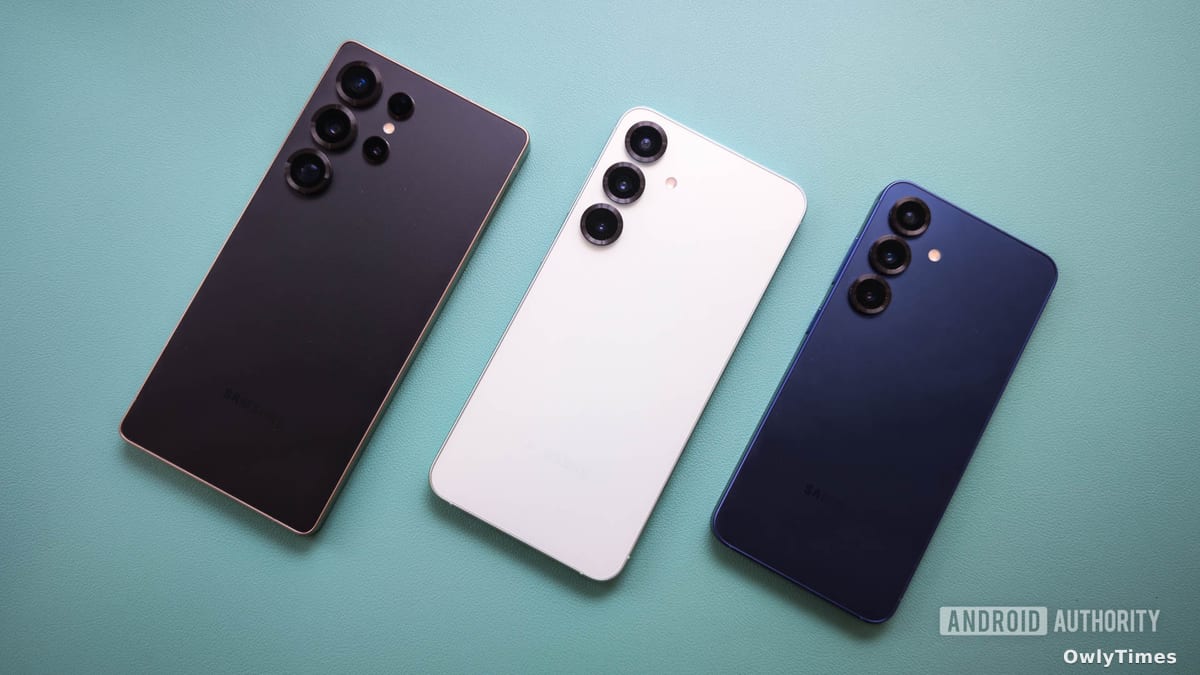

Are we really at the point where not buying the latest smartphone is the smartest move? It feels counterintuitive, a betrayal of the tech-obsessed impulse to always have the newest gadget. But the current situation with Samsung’s Galaxy S25 series is precisely that: a compelling argument for patience. The real story here isn't the perfectly serviceable phones currently on shelves – it’s the looming shadow of the Galaxy S26, and the predictable cycle of discounts and upgrades that will render any S25 purchase instantly…less smart.
Samsung has built a reputation for reliability with its Galaxy S line, a consistency that appeals to a broad audience. As Scott Brown of Android Authority points out, they’re “well-built, feature-rich, and – most importantly – reliable.” But reliability, while valuable, doesn’t negate the fundamental economics at play. The company confirmed its next Unpacked event for February 25th, and with it, the almost certain unveiling of the Galaxy S26 series. This isn’t a distant future; it’s a matter of days. Buying an S25 now is akin to purchasing a new car just before the dealership announces a major sale on the next model year.
Reporting from androidauthority.com informs this analysis.
The upgrades coming with the S26 aren’t revolutionary, admittedly. Samsung isn’t promising a foldable screen or holographic projections. But the incremental improvements, particularly the rumored “Privacy Display” on the S26 Ultra, are significant enough to warrant a pause. This feature, utilizing a new OLED panel to obscure the screen from side-angle viewers, addresses a surprisingly common anxiety: the feeling of being watched while using your phone in public. It’s a practical solution to a real-world problem, and one that speaks to a growing awareness of digital privacy. Beyond that, expect a slightly larger battery (a 4,300 mAh jump from the S25’s 4,000 mAh) and a new noise reduction algorithm for improved photo quality. These aren’t headline-grabbing features, but they add up.
What’s more impactful than the features themselves is Samsung’s established pattern of aggressive pre-order promotions. Last year, pre-ordering an S25 earned customers gift cards worth $100-$200, storage upgrades, and trade-in discounts of up to $900. A $30 credit is already available for those who sign up for updates. These aren’t isolated incidents; they’re a core part of Samsung’s marketing strategy. The company understands that the initial price tag is often less important than the perceived value, and they consistently leverage promotions to drive early adoption. To put that in perspective, the average smartphone replacement cycle is around 3 years, meaning many consumers are already factoring in these promotional periods when planning their upgrades.
The implications extend beyond early adopters. For the average consumer, who isn’t obsessively tracking tech news, the S26 launch will inevitably trigger price drops on the S25 series. Why pay full price for yesterday’s model when a newer, slightly improved version – and potentially a significant discount on the older one – is just around the corner? This isn’t about denying yourself a good phone; it’s about maximizing your purchasing power. It’s a lesson in delayed gratification, a concept Silicon Valley rarely encourages.
The current hype cycle around AI-powered smartphones, for example, often obscures this basic principle. Companies are pushing features that feel more like demos than essential tools, creating a sense of urgency that doesn’t align with the actual benefits. Samsung, while not immune to this trend, is at least offering a more pragmatic upgrade path. They’re refining an existing formula, not attempting a radical reinvention.
So, don’t fall for the temptation. Don’t pre-order the Galaxy S26 out of FOMO, but do mark February 25th on your calendar. Watch for the launch event, analyze the pre-order deals, and then – and only then – decide which Galaxy phone is right for you. Because in a few short days, the question won’t be if you should buy a Samsung phone, but which one will give you the most for your money. The real test will be whether Samsung maintains its promotional momentum, or if they attempt to capitalize on the S26’s incremental improvements with less generous offers. Watch closely to see if the $900 trade-in values return – that will be the clearest signal of their strategy.