
Is your phone judging you more than anyone else? Because Samsung certainly seems to think so. The tech giant’s relentless teasing of the “Privacy Display” feature coming to the Galaxy S26 Ultra isn’t about protecting sensitive work data or banking information – it’s about shielding your questionable reading material from fellow commuters. The real story here isn't a groundbreaking display technology, it’s Samsung’s remarkably accurate read on how we actually use our phones, and the increasingly desperate need for digital spaces we can pretend are private.
Beyond Nosy Neighbors: The Appeal of Selective Obscurity
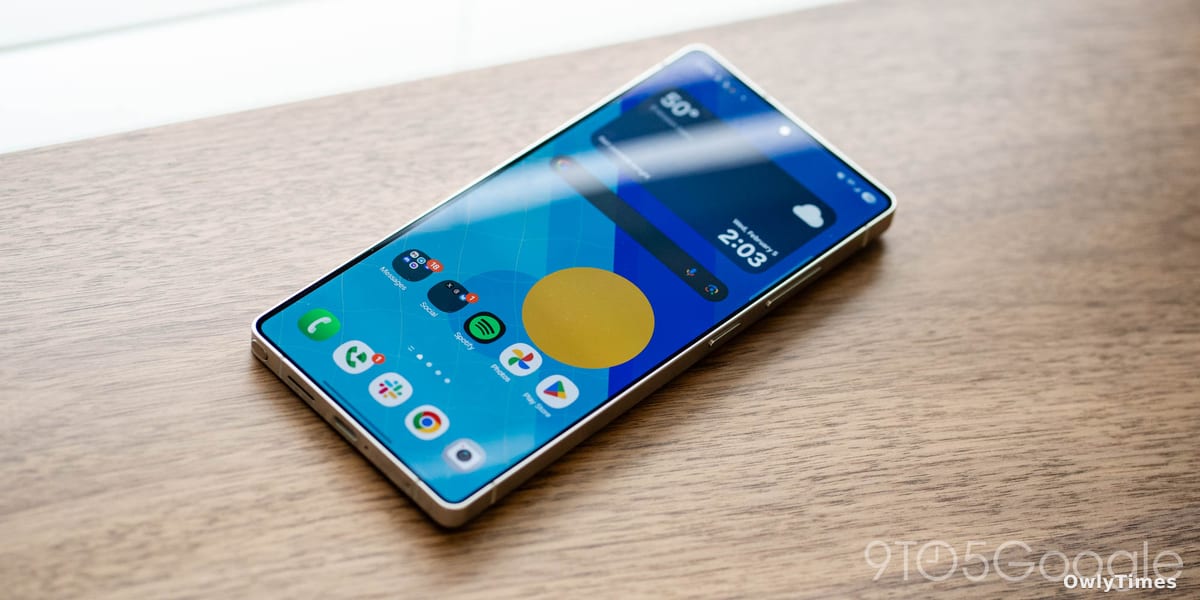
The “Privacy Display,” slated for a February 25th launch alongside the Galaxy S26 series (though exclusive to the Ultra model), promises to use the phone’s native display tech to limit viewing angles. Think of it as a digital Venetian blind, narrowing the field of vision for anyone attempting to peek at your screen. While privacy screen protectors have existed for years, they often come with compromises – washed-out colors, reduced brightness, and a generally unpleasant viewing experience. Samsung is positioning this as different, a seamless integration that doesn’t sacrifice image quality for security. But the marketing isn’t focused on security at all.
Early teasers haven’t highlighted secure financial transactions or confidential emails. Instead, we’re shown a rider engrossed in “spicy” literature on public transit, and another receiving… let’s say, intimate text messages. This isn’t accidental. Samsung isn’t selling peace of mind; they’re selling plausible deniability. They’re acknowledging that a significant portion of our screen time is devoted to activities we’d rather not explain, and offering a technological fig leaf. This is a particularly astute move given the 41% increase in mobile data usage reported by Ericsson in 2023, meaning more of our lives are lived, and potentially scrutinized, on these devices.
This piece references the 9to5Google report.
The Illusion of Privacy in a Surveillance Economy
This focus on shielding content rather than securing data is telling. We’re increasingly aware that our phones aren’t truly private spaces. Location tracking, data harvesting, and the ever-present threat of surveillance are baked into the smartphone experience. The “Privacy Display” doesn’t address any of that. It simply creates a localized illusion of privacy, a bubble of plausible deniability in a public space. It’s a Band-Aid on a gaping wound, but a remarkably effective marketing tactic nonetheless.
Consider the context: Apple has been aggressively marketing its privacy features for years, yet data breaches and privacy concerns persist. Google continues to refine its ad targeting algorithms, despite ongoing criticism. Users are exhausted by endless privacy policies and complex settings menus. Samsung is tapping into this fatigue, offering a simple, visual solution to a problem that’s fundamentally systemic. The fact that this feature is exclusive to the high-end Galaxy S26 Ultra, starting at an estimated $1,299, also speaks volumes about who Samsung believes will value this particular brand of digital discretion.
What This Means for the Future of Mobile Interfaces
The implications extend beyond just shielding embarrassing content. The ability to selectively obfuscate parts of the display – as early leaks suggest will be possible – opens up interesting possibilities for interface design. Imagine being able to hide sensitive information within an app while still interacting with the rest of the interface. Or dynamically blurring out details in a video call when you need a moment of privacy. This isn’t just about hiding things from others; it’s about controlling what information is visible within your own digital environment.
However, this also raises questions about accessibility. Will these features be designed with users with visual impairments in mind? Will the obfuscation methods be clear and consistent, or will they create confusion and frustration? Samsung has a patchy record on accessibility, and it’s crucial that they prioritize inclusivity when implementing this technology.
Here’s what I predict: the success of the “Privacy Display” won’t be measured by how many secure transactions it protects, but by how many people use it to avoid awkward eye contact on the subway. And that, more than any technical specification, will determine whether this feature becomes a standard on future smartphones. Watch for competitors to quickly follow suit, not with superior technology, but with equally cynical marketing campaigns that appeal to our shared desire for a little digital breathing room. The question isn’t if privacy will become a selling point, but how thoroughly it will be commodified.