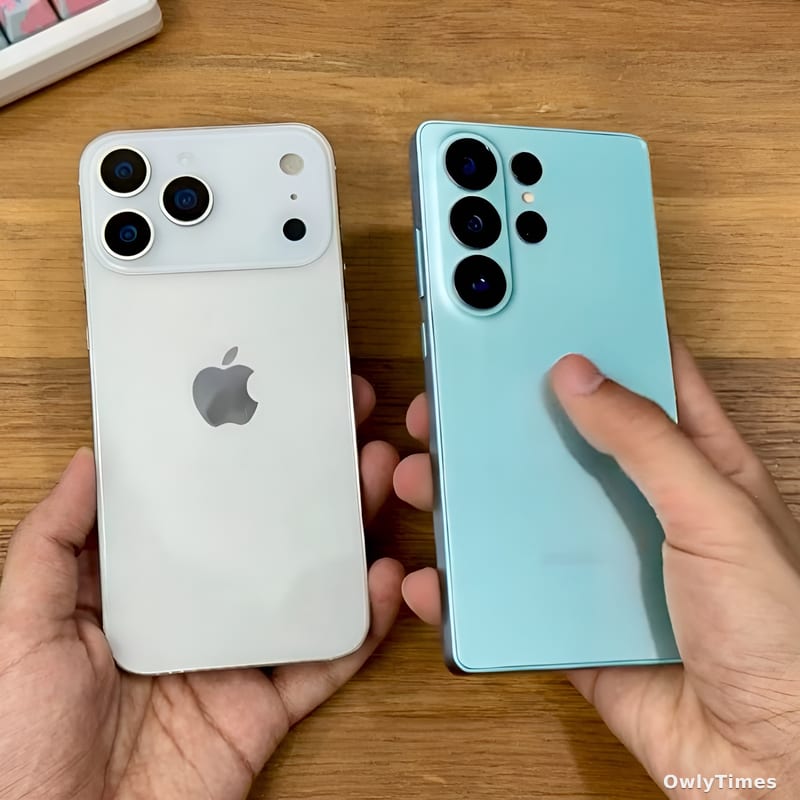

Is the smartphone race actually about smartphones anymore? The breathless coverage of benchmark scores – the latest being the Samsung Galaxy S26 Ultra’s Geekbench 6 victory over the Apple iPhone 17 Pro Max – feels less like reporting on consumer tech and more like a proxy war for chip dominance. The real story here isn't simply that Samsung’s phone is “faster” – it’s that the entire industry is now defined by squeezing incremental gains out of silicon, and whether those gains actually translate into a meaningfully better experience for anyone beyond the most obsessive tech enthusiasts.
Beyond the Numbers: What the Scores Actually Mean
Let’s be clear: the Galaxy S26 Ultra, powered by the Qualcomm Snapdragon 8 Elite Gen 5, did outperform the iPhone 17 Pro Max in Geekbench 6 testing. Samsung isn’t shy about highlighting this, and the fact that these scores represent the peak performance of the Snapdragon chip suggests significant optimization on their end. But Geekbench, while a useful tool, is a synthetic benchmark. It measures theoretical performance under controlled conditions, not how you actually use your phone. A higher score doesn’t automatically mean smoother scrolling, faster app loading, or a better gaming experience. It means Samsung has expertly tuned its software to excel in a very specific test. This isn’t necessarily deceptive, but it’s crucial to understand the context. We’ve seen countless “benchmark kings” stumble in real-world usage.
Based on the original wccftech.com report.
Privacy and Pixels: Samsung's Real Innovations
While the performance bragging rights are predictable, the more interesting developments with the S26 series lie elsewhere. Samsung’s “Flex Magic Pixel OLED” technology, enabling a “Privacy Display,” is a genuinely clever solution to a pervasive problem. The idea of dimming the screen at oblique angles to prevent shoulder surfing isn’t new, but leveraging AI to do it without impacting the brightness for the user is a significant step forward. This isn’t about raw power; it’s about addressing a real-world privacy concern. Similarly, the focus on a new noise reduction algorithm for the camera – boasting sharper images at 24MP – speaks to a more practical improvement. The camera array itself, with a 200MP main sensor and a versatile suite of lenses, is impressive, but the software processing is what will ultimately determine image quality.
The MagSafe Miss and the Ecosystem Lock-In
Interestingly, Samsung is not including Qi2 built-in magnets for MagSafe compatibility in the S26 Ultra, despite previous rumors. This is a telling decision. While it might seem like a minor omission, it highlights Apple’s successful creation of a walled garden. MagSafe isn’t inherently superior technology, but the ecosystem of accessories built around it is a powerful draw. Samsung’s choice suggests they’re unwilling to play along, or perhaps believe the benefits don’t outweigh the cost of ceding control to Apple’s standard. This isn’t about what’s best for the consumer; it’s about maintaining independence in a market increasingly dominated by ecosystem lock-in. The color options – Cobalt Violet, Black Shadow, White Shadow, and Galactic Blue – feel almost like a distraction from these more strategic choices.
What Comes Next: The Rise of the "Good Enough" Phone
The relentless pursuit of benchmark dominance is reaching a point of diminishing returns. Most users simply don’t need the extra horsepower offered by the latest flagship. The real battleground will be in refining the user experience, prioritizing privacy, and offering genuinely useful features. I predict that within two years, we’ll see a significant shift in consumer behavior. The premium flagship market will plateau as more people opt for “good enough” phones – mid-range devices that offer a compelling combination of features, performance, and value. The question isn’t whether the Galaxy S26 Ultra is the “best” phone, but whether anyone will actually care about that distinction when a $400 phone can do 90% of the same things just as well. Watch for the mid-range market to become the true innovation hub, while the flagships become increasingly focused on niche features and brand prestige.