
Is Samsung finally admitting American phone users aren’t second-class citizens? For years, Galaxy owners outside the US have enjoyed a level of control over their dual-SIM setups that’s been stubbornly absent here. While the rest of the world could dictate which SIM handled calls, texts, and data, US users were stuck with… whatever Samsung decided. The real story here isn't the upcoming Galaxy S26 or even the new Buds 4 – it’s the quiet arrival of genuinely useful software features that acknowledge the increasingly complex ways people manage their mobile lives.
The Long Wait for Basic Functionality
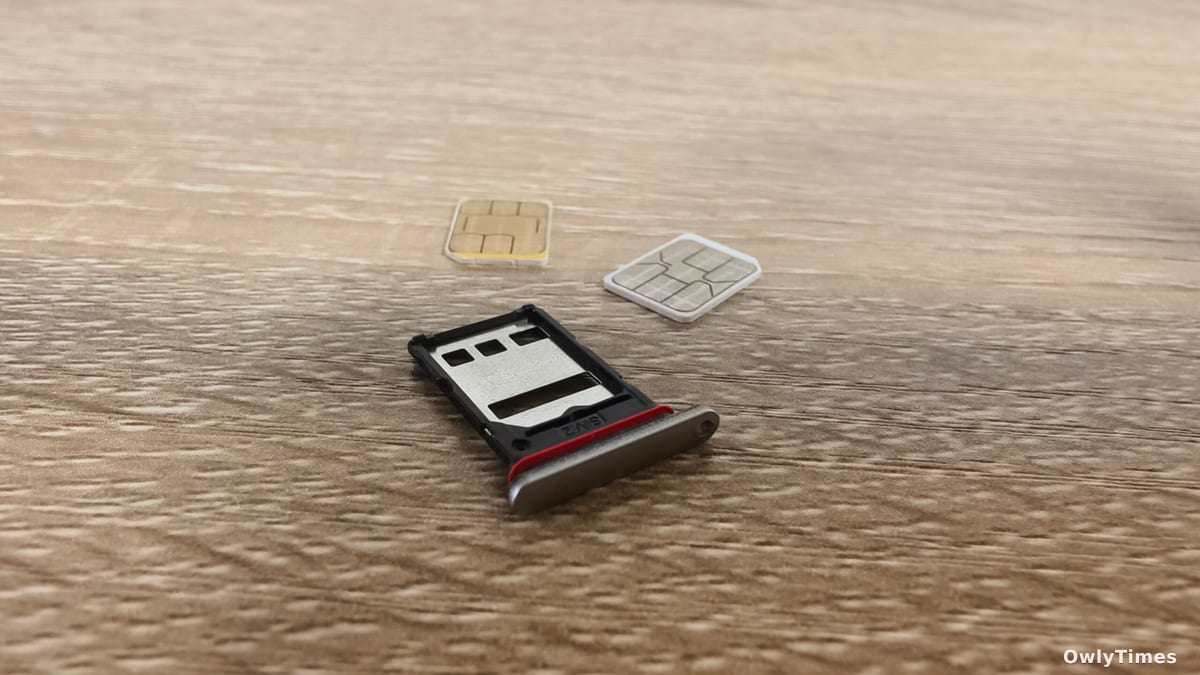
Samsung has long offered phones capable of housing multiple SIM cards, but the software to manage those cards effectively has been conspicuously missing in the US. This isn’t a hardware limitation; it’s a deliberate software choice. For context, dual-SIM usage is far more common globally, driven by factors like separating work and personal lines, or taking advantage of different carrier deals. In the US, carrier lock-in and less competitive pricing historically discouraged the practice. But that’s changing. The rise of MVNOs like US Mobile (as highlighted by Reddit user slylte) and the increasing desire for flexible connectivity are driving demand for better SIM management.
The change comes with the rollout of One UI 8.5, currently in beta for the Galaxy S25 series. As Megan Ellis at Android Authority points out, the new software finally allows US users to specify SIM preferences for voice calls, SMS messages, and mobile data. It’s a seemingly small tweak, but one that unlocks significant convenience. Imagine being able to automatically route work calls through your company-provided SIM while keeping personal texts on your primary line – without constantly toggling settings. This isn’t a revolutionary feature, it’s a basic expectation for anyone who uses more than one SIM.
This article draws on reporting from androidauthority.com.
Beyond the Beta: Who Gets the Upgrade?
Currently, the One UI 8.5 beta is limited to the Galaxy S25 series. Samsung plans to extend the beta program to its 2025 foldable devices, and eventually, a stable release should follow the official launch of the Galaxy S26 family. But the crucial question is: how far back will this update go? Will owners of older flagships like the S23 or S24 series be left out in the cold? Samsung’s track record with software updates is… spotty, to say the least. They often prioritize newer devices, leaving older models vulnerable to security risks and missing out on quality-of-life improvements.
This selective updating creates a frustrating ecosystem where consumers are penalized for not upgrading annually. It also fuels the perception that Android updates are fragmented and unreliable compared to Apple’s more consistent approach. The fact that a feature so fundamental to multi-SIM functionality was withheld from US users for so long speaks to a broader issue: a tendency to underestimate the sophistication of the American mobile user.
The MVNO Effect and Shifting Carrier Dynamics
The timing of this change is also noteworthy. The growth of Mobile Virtual Network Operators (MVNOs) like Mint Mobile, Visible, and US Mobile is disrupting the traditional carrier landscape. These smaller carriers often offer more flexible plans and cater to users who want to optimize costs or maintain separate lines for specific purposes. The ability to granularly control SIM usage directly benefits MVNO subscribers, who are more likely to juggle multiple SIMs to take advantage of different deals.
This isn’t lost on Samsung. They’re responding to a market shift, not leading it. The company is finally acknowledging that US consumers are becoming more discerning about their mobile plans and are demanding more control over their connectivity. The $5.5 billion Samsung invested in network equipment in 2023, according to Reuters, suggests a broader strategy to become more involved in the network infrastructure itself, potentially positioning them to better serve the needs of both carriers and MVNOs.
Looking ahead, expect Samsung to lean further into software-driven differentiation. The hardware race is becoming increasingly incremental, and the real battleground is the user experience. If Samsung can consistently deliver thoughtful, user-centric features like this – and, crucially, make them available to a wide range of devices – they’ll solidify their position as a leader in the Android ecosystem. But here’s the question everyone should be asking: will Samsung commit to a minimum of three years of One UI updates for all its flagship devices, guaranteeing that features like multi-SIM management don’t become obsolete after just a year or two? That’s the real test of whether this change is a genuine commitment to US users, or just a calculated move to capitalize on a growing market trend.