
$5 Million in Sideloads: GameSir’s Emulation Strategy Reveals a Broader Data Privacy Calculus
A figure of 5 million sideloaded Android installs – primarily in China – is the key to understanding GameSir’s ambitious, and now somewhat troubled, push into Windows game emulation. While the company frames its GameHub software as a solution for Mac gamers craving Windows titles, the initial rollout on Android reveals a business model heavily reliant on user acquisition, even if it meant skirting official app stores and, initially, established data privacy norms. This isn’t simply about bringing games to new platforms; it’s about leveraging emulation to drive hardware sales and, crucially, understanding the differing expectations of data collection across global markets.
This piece references the Ars Technica report.
The core of GameSir’s strategy, as openly admitted to The Memory Core, is to sell more controllers. The Windows emulation tool is, in effect, a loss leader designed to expand the ecosystem around their hardware. However, the Android version’s pre-release distribution via sideloading – a practice of installing apps outside of official app stores – raises questions about the company’s willingness to prioritize rapid growth over established distribution channels. Sideloading bypasses Google Play Store security checks and, critically, user consent protocols regarding data tracking. The fact that this occurred on a scale of 5 million devices, predominantly in China, isn’t accidental.
This points to a calculated risk based on market-specific realities. GameSir explicitly stated that less sensitivity to user tracking in the Chinese market justified the practice, and that the trackers have since been removed. This admission is significant. It highlights a tiered approach to data privacy, where practices acceptable in one region are deemed necessary to remove in others. While the company claims the trackers are gone, the initial deployment demonstrates a willingness to exploit regulatory and cultural differences to accelerate user acquisition. This is a pattern seen across numerous tech companies, but GameSir’s candidness is unusual. The company’s reliance on sideloading also suggests a lack of confidence in securing a prominent position within the Google Play Store, potentially due to concerns about the software’s functionality or data collection practices.
The technical underpinnings of GameHub further complicate the narrative. GameSir insists its Windows emulator is “developed in-house,” utilizing technologies like syscall hooks and GameScopeVK. However, the company concedes to referencing and using UI components from Winlator, an open-source Windows emulation tool for Android. This isn’t necessarily a red flag – leveraging existing codebases is common in software development – but it blurs the lines between original innovation and adaptation. The reliance on open-source elements, combined with the initial data tracking concerns, casts doubt on the claim of a fully independent, in-house development process. This is particularly relevant given the ongoing debate about intellectual property and the ethics of utilizing open-source projects for commercial gain without substantial contribution back to the community.
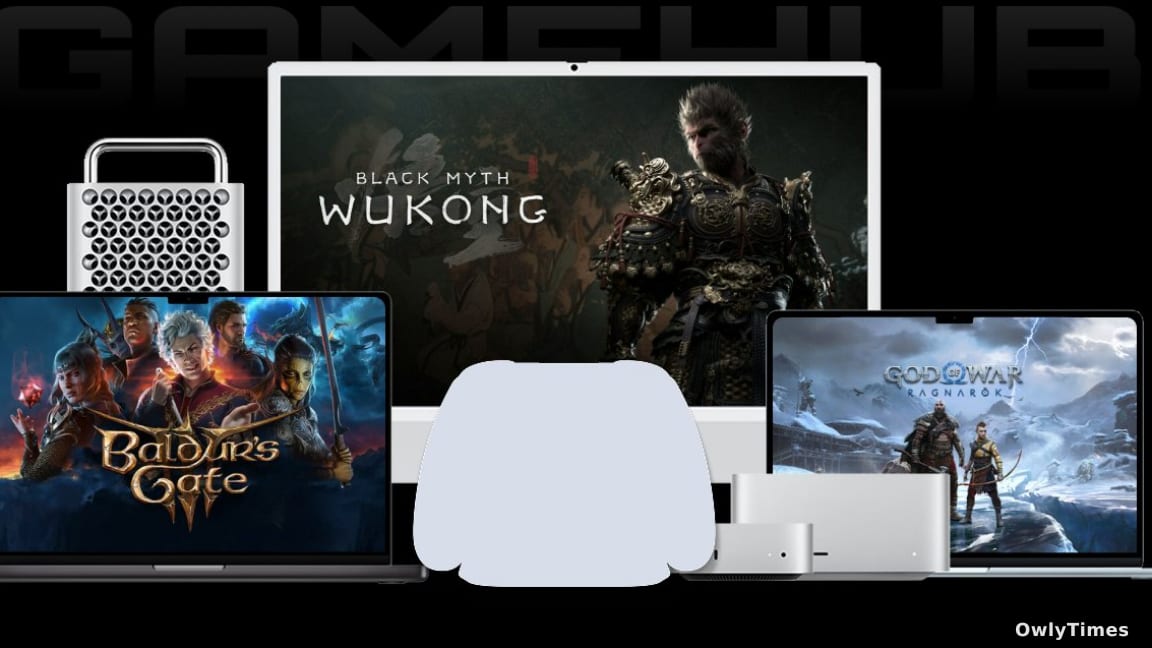
The implications for the upcoming Mac version of GameHub are substantial. The compatibility issues already present in the Android version, coupled with the company’s history of questionable data practices and reliance on open-source code, suggest that GameHub is unlikely to be the “Valve SteamOS/Proton moment” for Apple gamers that some have hoped for. Proton, Valve’s compatibility layer for Steam, achieved widespread success through rigorous testing, community collaboration, and a commitment to open-source principles. GameSir’s approach, by contrast, appears more opportunistic and driven by hardware sales.
What this means for your wallet: Don’t expect GameHub to magically unlock your entire Windows game library on your Mac. While it may offer a functional, albeit imperfect, solution for some titles, the underlying business model and technical compromises suggest a limited and potentially privacy-invasive experience. The key question for consumers isn’t if GameHub will work, but at what cost – both in terms of performance and data security. Watch closely for independent security audits of the Mac version and consider whether the convenience of emulation outweighs the potential risks.