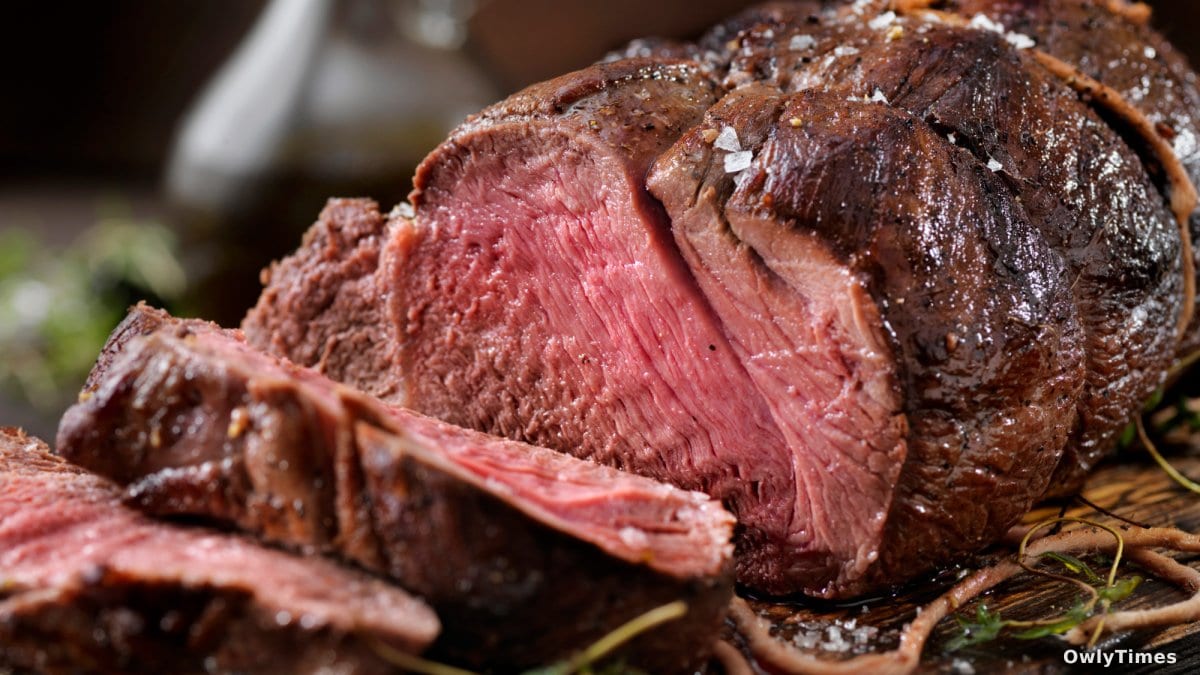

The persistent, slippery term “gamey” in food isn’t a flaw in our culinary vocabulary—it’s a reflection of a deeply complex biological and cultural reality. While often used as a simple descriptor of “not-domesticated” flavor, the science reveals that ‘gamey’ isn’t a single taste, but a confluence of factors relating to an animal’s life, muscle physiology, and even our own expectations. Understanding why a meat tastes “gamey” – and why that’s not necessarily a bad thing – requires moving beyond simple preference and into the realm of meat science, diet, and the very definition of flavor itself.
The frustration with the term stems from its ambiguity. It can be a compliment, signaling a unique, wild flavor profile, or a criticism, implying toughness or an unpleasant tang. This duality isn’t accidental. Mohammed Gagaoua, a leading meat scientist at the French National Institute for Agriculture, Food, and Environment, succinctly puts it: “Gamey is not a single, well-defined sensory attribute.” It’s a consumer-driven assessment, a holistic evaluation shaped by individual experience and cultural context. But despite the subjectivity, researchers are identifying consistent characteristics that contribute to what we perceive as “gamey-ness.”
Based on the original popsci.com report.
At its core, the sensation of gamey flavor is strongly linked to the intensity of red color in meat. Chris Kerth, a professor of meat science at Texas A&M University, explains that the more an animal utilizes a muscle, the more red muscle fiber it develops to deliver oxygen and power movement. This increased myoglobin content – the protein responsible for the red hue – translates to a “somewhat metallic or bloody-serumy flavor.” Think of the deep red of a wild deer’s leg muscle compared to the paler color of a chicken breast, which sees comparatively little exertion. This isn’t simply about color, however; it’s about the physiological demands placed on the animal.
Heavy muscle use also results in leaner, tougher meat, further contributing to the perception of gaminess. Our experience of flavor isn’t solely based on the five basic tastes – salty, sour, bitter, sweet, and umami – but also heavily influenced by smell and texture. The toughness of a cut can heighten our awareness of its “otherness,” signaling a departure from the tender, consistently-textured meats most Americans are accustomed to. This is a crucial point: our baseline expectations, shaped by the prevalence of factory-farmed meat, heavily influence our judgment of flavor. A cut of venison, for example, might be considered “gamey” if overcooked, exacerbating its natural toughness and intensifying any inherent flavor differences.
Diet plays a pivotal role, often overshadowing the impact of muscle color. Grain-fed livestock, bred for rapid growth, develop tender, marbled meat due to the calorie-rich and fattening nature of their diet. However, grains themselves are relatively bland, resulting in a less complex flavor profile. Conversely, wild animals, or farm animals allowed to forage, develop a different fatty acid profile, creating flavors described as “tallowy, grassy, or fishy.” These unsaturated fats, when cooked, release aromatic compounds that contribute to the distinctive taste. Furthermore, the aromatic compounds in the animal’s food can be transferred to its fat deposits, subtly flavoring the meat – a phenomenon particularly pronounced in pigs, whose simple stomachs don’t radically alter their food during digestion. Feed a pig wild green onions, and you’ll likely taste that allium tang in the pork.
However, it’s vital to recognize that activity and diet are not the sole determinants of gaminess. Hormonal fluctuations, particularly in mature male mammals, contribute “musky notes” that many consumers find undesirable, leading to practices like castration and the preference for younger animals. Even stress and fear experienced immediately before slaughter can impact meat tenderness and taste. Flavor is a delicate, multifaceted phenomenon, influenced by the animal’s entire life – its species, breed, diet, stress levels, and even the post-slaughter processing and cooking methods. A delayed butchering process or improper cooling can introduce spoilage flavors, while aging can enhance tenderness.
This complexity explains why a definitive definition of “gamey” remains elusive. Cultural background and expectation also play a significant role. Some cultures actively seek flavors others avoid, viewing them as indicators of authenticity or nutritional value. Gagaoua notes that some consumers now associate gaminess with “ideas of untamed nature, wilderness, and ecological authenticity,” even though these flavors can be found in both wild and farmed meat. This perception can create a “halo effect,” influencing enjoyment of the flavor.
For those seeking to avoid gamey flavors, the solution is straightforward: choose light, grain-fed cuts and avoid overcooking. A simple trick to reduce gaminess in darker cuts, as Kerth suggests, is to soak the meat in cold ice water for an hour before cooking, allowing some of the myoglobin to diffuse out. But for the adventurous palate, gamey meats offer an opportunity to connect with the animal’s history and appreciate a wider range of flavors. They encourage critical thinking about food production and challenge us to explore new culinary possibilities.
The next step in meat science isn’t simply to eliminate gaminess, but to understand and potentially enhance these complex flavors. Will breeders begin to selectively cultivate traits that produce more flavorful, albeit potentially “gamey,” meat? Will consumers increasingly value the connection between an animal’s life and the taste of its flesh, seeking out meats with distinct, traceable origins? The future of meat may well depend on our willingness to embrace the nuances of flavor – and to redefine what “delicious” truly means.





