
If you think your smartphone is the most critical piece of infrastructure in your pocket, try spending six hours in an international airport terminal without a single working sink or toilet. This past Sunday, thousands of travelers at London Gatwick discovered that even the most high-tech global transit hubs are essentially just glorified plumbing systems with runways attached.
The real story here isn’t just a simple mechanical failure; it is the fragility of centralized utility networks in the face of modern operational demands. As reported by The Guardian, ABC News, and the BBC, a power outage at the Bough Beech Water Treatment Works crippled the supply to both of Gatwick’s terminals, effectively shutting down the airport's hospitality sector and sanitation facilities for much of the day.
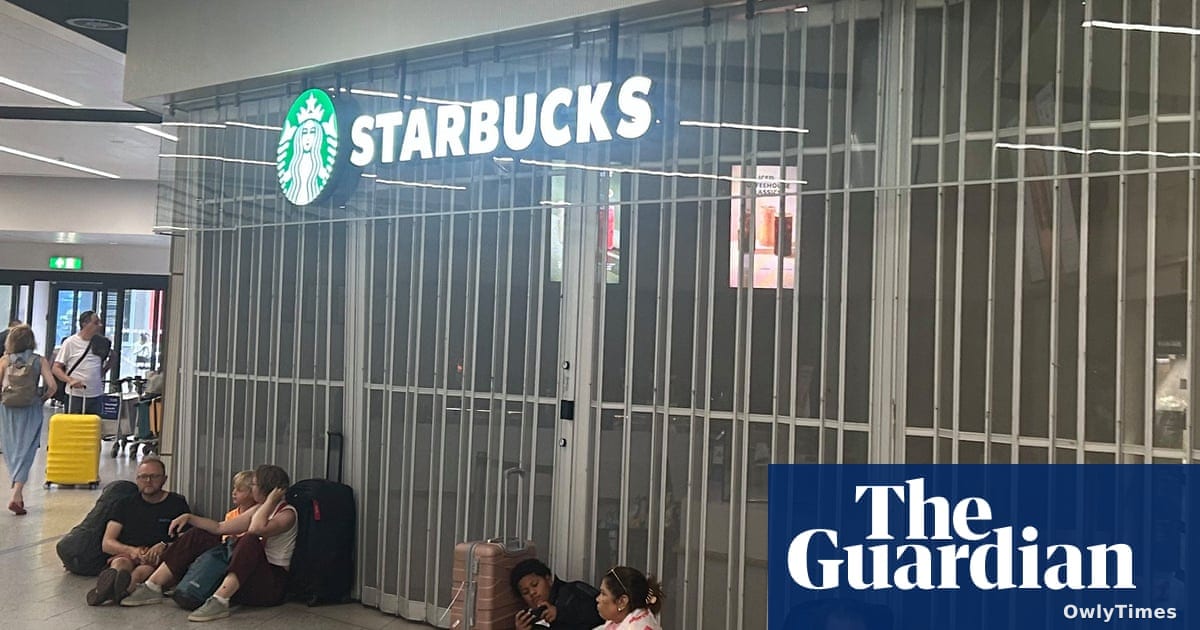
While the airport maintained that flight schedules remained largely intact, the passenger experience told a different story. According to the BBC, reporter Adam Dowling noted that his own flight was delayed, with landing slots being shifted to manage the influx. The logistical fallout was swift: restaurants and bars, unable to meet basic health and safety standards for handwashing, were forced to lock their doors. This created a secondary crisis—a shortage of seating—which led to the surreal sight of families sitting on the terminal floor, a scene highlighted by former MP Michael Dugher on social media.
Discrepancies in the narrative emerged regarding the airport’s response. While Gatwick claimed in statements cited by the BBC that staff were actively distributing bottled water, several passengers pushed back. ABC News reported that passenger Paul Lee disputed the claim, stating he had seen no such distribution. The lack of clear communication was a recurring theme; Roger Wood, a traveler heading to New York, told The Guardian that there was virtually no information provided as the situation devolved.
The technical root cause was a "highly unusual and complex issue" at the treatment plant, according to SES Water, which serves the TN11, RH1, RH6, and RH10 postcode areas. By Sunday afternoon, the utility confirmed the plant was operational again, but the process of repressurizing a massive infrastructure network is rarely instantaneous. This is a recurring vulnerability for the site; as noted by the BBC, Gatwick suffered a similar breakdown in July 2022 due to a burst water main.
We treat airports like automated, resilient fortresses, but this weekend proved that they are highly susceptible to the same legacy utility issues that plague any aging municipality. When the water stops, the "smart" airport stops, too. Expect to see increased pressure on airport operators to invest in redundant, on-site water storage and localized power backup systems as a standard contingency, rather than a luxury, in the coming months.