
Is a place still sacred if it’s treated like a postcard?
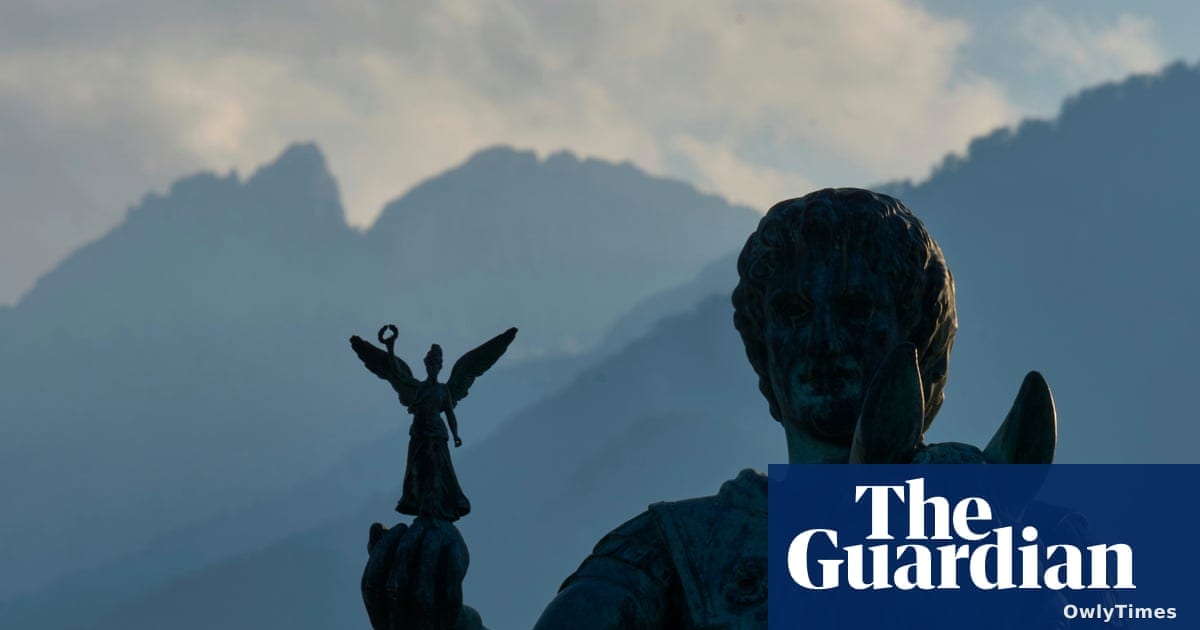
The real story here isn’t just the prestige of a new UNESCO World Heritage designation—it’s the collision between ancient history and the modern tourism machine. This week, the UNESCO World Heritage Committee, meeting in Busan, South Korea, officially added Greece’s Mount Olympus and the D-Day landing beaches in Normandy to its prestigious list. While the headlines are celebrating these as "cultural triumphs," the reality is that these sites are effectively being placed in a digital and physical pressure cooker.
Both The Guardian and ABC News confirm that the approvals came during a session reviewing dozens of global nominations. Mount Olympus—rising 2,918 meters—secured its spot after a grueling 12-year wait. Similarly, the French bid for the five Normandy beaches (Omaha, Utah, Sword, Gold, and Juno) finally crossed the finish line after being first nominated in 2008, according to The Guardian.
Think of this designation like a high-traffic software patch for a historical site: it provides necessary "security updates" in the form of international preservation funding and oversight, but it also invites a massive influx of new "users." The International Council on Monuments and Sites (ICOMOS), which vets these applications, has already flagged that these locations are buckling under the weight of climate change, rising sea levels, and—crucially—over-tourism. As Euronews notes, the committee also greenlit sites ranging from the ancient Japanese capitals of Asuka and Fujiwara to the Boma-Badingilo landscape in South Sudan, which hosts an estimated 6 million migrating antelopes.
The tension between preservation and popularity is palpable. Evangelos Geroliolios, mayor of the municipality at the foot of Mount Olympus, told the AP that the status brings "greater obligations" to protect the environment. Meanwhile, French officials like Ahlem Gharbi are framing the Normandy inclusion as a moral imperative for peace, even as ICOMOS warns of the irony that wind farm developments and tourist foot traffic now threaten the very concrete bunkers and sunken vessels they aim to commemorate.
There is a distinct discrepancy in how these sites are being managed. While Euronews reports the Mount Olympus decision was unanimous—despite internal Greek fears that the file might be kicked back for more paperwork—the debate over whether "sites of memory" like conflict zones belong on a list meant to "foster peace" remains a point of contention, as highlighted by The Guardian.
For the ordinary traveler, this means the "bucket list" just got a lot more crowded. Expect to see stricter entry controls, digital ticketing, and perhaps higher fees as these countries scramble to meet the monitoring standards mandated by their new international status. The next test for these sites won't be political—it will be logistical. Keep an eye on the upcoming monitoring reports from ICOMOS; if they start recommending caps on daily visitors, you’ll know the "UNESCO effect" has officially turned these monuments into the next generation of constrained tech assets.