
A Calculated Nostalgia Play: PlayStation Revives God of War with Remake and Surprise Release
The gaming world received a double dose of God of War news on Thursday, but this wasn’t a typical product reveal. The simultaneous announcement of a remake of the original trilogy and the surprise launch of a new 2D platformer, “God of War: Sons of Sparta,” signals a deliberate strategy by PlayStation and Santa Monica Studio – one built on leveraging nostalgia while subtly preparing fans for a larger franchise evolution. This isn’t simply about releasing more games; it’s about controlling the narrative around a flagship IP as it enters its third decade. The timing, just ahead of the 20th anniversary in March 2026, is no accident.
Background & Context: From PlayStation 2 Icon to Modern Masterpiece
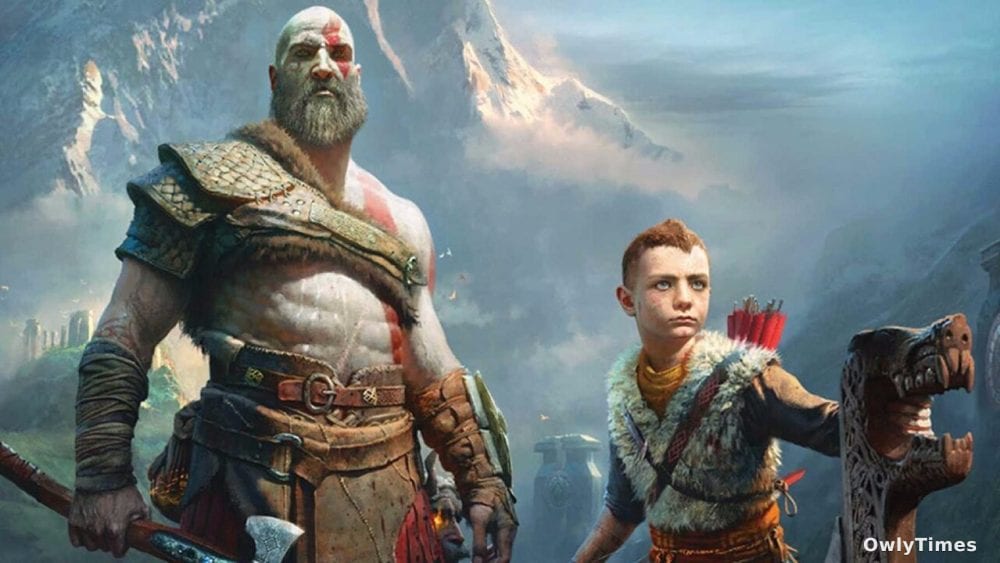
The original “God of War,” released in March 2005 for the PlayStation 2, was a watershed moment. It wasn’t the first action game with a mythological setting, but it redefined the genre with its brutal combat, epic scale, and the iconic portrayal of Kratos by voice actor TC Carson. The franchise quickly became synonymous with PlayStation, delivering sequels that pushed the boundaries of console hardware and storytelling. However, the series underwent a significant reinvention with 2018’s “God of War,” shifting the setting to Norse mythology and focusing on a more mature, character-driven narrative. “God of War: Ragnarök” (2022) continued this trend, achieving critical and commercial success. This remake of the original trilogy represents a return to the franchise’s roots, but crucially, it’s happening after the successful establishment of a new direction.
Drawn from variety.com.
The surprise release of “Sons of Sparta,” developed by Mega Cat Studios in partnership with Santa Monica Studio, is particularly interesting. While 2D platformers aren’t typically associated with the “God of War” brand, the game’s canon story focusing on Kratos and his brother Deimos’s training at the Agoge offers a unique glimpse into the character’s formative years. This fills a narrative gap that fans have long speculated about, and the inclusion of Carson reprising his role as the adult Kratos for narration adds another layer of fan service. This move demonstrates a willingness to experiment with the franchise’s format while remaining true to its core identity.
The Significance of a Dual Announcement
The coordinated announcements are far more impactful than they would be individually. The remake of the original trilogy taps into the powerful emotional connection long-time fans have with those games. Bringing back TC Carson, the original voice of Kratos, is a masterstroke of nostalgia marketing. It acknowledges the legacy of the franchise and reassures fans that this isn’t a complete abandonment of its past. Simultaneously, “Sons of Sparta” serves as a smaller, immediate gratification offering – a “thank you” to fans while they wait for the more substantial remake.
What’s often overlooked is the strategic positioning this creates for PlayStation. The success of the 2018 “God of War” and “Ragnarök” proved the franchise could appeal to a broader audience with a more nuanced narrative. The remake allows PlayStation to reintroduce the original games to a new generation, potentially expanding the fanbase even further. The 2D platformer, while niche, provides a low-risk opportunity to experiment with gameplay and storytelling within the “God of War” universe. This represents a shift from simply releasing sequels to actively curating and expanding the franchise’s lore and appeal.
What This Means for Players, PlayStation, and the Industry
For players, this means a wealth of “God of War” content on the horizon. Long-time fans will eagerly anticipate the remake, while newcomers will have the opportunity to experience the origins of the franchise. The release of “Sons of Sparta” offers a unique and potentially refreshing take on the “God of War” formula. For PlayStation, this is a clear demonstration of its commitment to its first-party studios and its willingness to invest in established IPs. It also reinforces the PlayStation brand as a home for high-quality, narrative-driven games.
The industry-wide implications are also noteworthy. This strategy of leveraging nostalgia alongside innovation is likely to be emulated by other publishers. The success of the 2018 “God of War” demonstrated the potential for reinvention within established franchises, and this dual announcement further solidifies that trend. It also highlights the importance of voice acting and the emotional connection players form with characters – bringing back Carson is a powerful statement about the value of that relationship.
Looking Ahead: Remakes, Expansions, and the Future of Kratos
The next few years will be crucial for the “God of War” franchise. Fans should expect more details about the trilogy remake, including release dates and gameplay reveals. The success of “Sons of Sparta” could pave the way for further spin-off titles exploring different eras and characters within the “God of War” universe. The biggest question, however, remains: what’s next for Kratos himself? Will the next mainline installment continue the Norse saga, or will the franchise return to its Greek roots?
It’s also worth watching how PlayStation handles the balance between nostalgia and innovation. While appealing to long-time fans is important, the franchise must continue to evolve to remain relevant. The careful orchestration of these announcements suggests that PlayStation understands this challenge and is prepared to navigate it strategically. The future of “God of War” looks bright, but its continued success will depend on PlayStation’s ability to honor its past while boldly forging a new path forward.