
Beyond Sovereignty: What Argentina’s WHO Exit Reveals About Global Health Trust
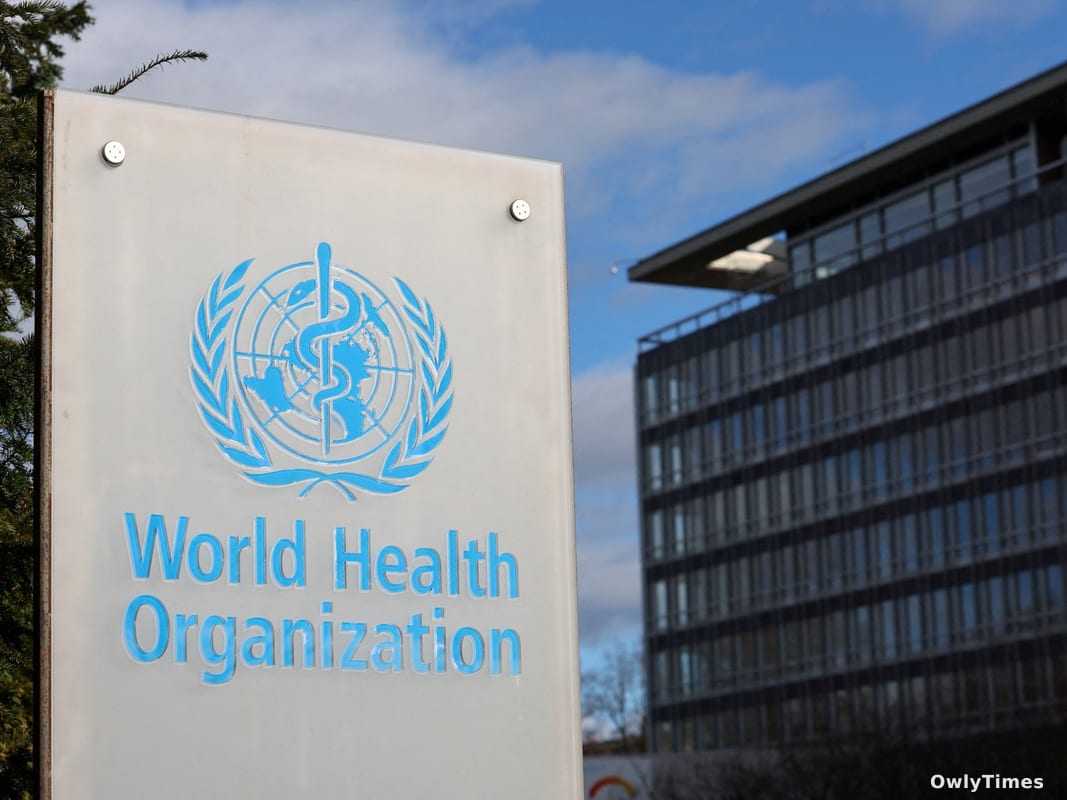
The withdrawal of Argentina from the World Health Organization (WHO), finalized this week, isn’t simply a matter of one nation reassessing its international commitments. It’s a symptom of a growing, and deeply concerning, erosion of trust in multilateral institutions tasked with safeguarding global health. While framed by the Javier Milei administration as a defense of national sovereignty, the decision – mirroring a previous move by the United States under Donald Trump – speaks to a broader political current questioning the legitimacy and efficacy of international health governance, particularly in the wake of the COVID-19 pandemic. The narrative isn’t about protecting Argentina’s health from the WHO, but about a rejection of the WHO’s perceived overreach and, crucially, a disagreement over the very nature of public health intervention.
On Tuesday, Pablo Quirno, Argentina’s Minister of Foreign Affairs, confirmed the country’s official departure via social media, one year after the initial notification. This follows Milei’s February 2023 announcement and his subsequent condemnation of the WHO as a “nefarious organization” responsible for “the greatest experiment in social control in history,” a reference to public health measures implemented during the COVID-19 pandemic. It’s vital to understand that this rhetoric doesn’t align with the WHO’s actual function. The WHO is primarily an advisory body; it establishes guidelines, monitors disease outbreaks, and facilitates research, but it lacks the authority to dictate health policies to sovereign nations. The agency currently lists 194 member states, a number now reduced by one. The timing of this withdrawal, coinciding with contentious domestic reforms – including recently approved labour laws and widespread economic hardship, with citizens reportedly taking out loans to afford food – suggests a deliberate strategy to consolidate power and project an image of decisive action.
The Echo of US Disengagement and the Question of Political Alignment
Argentina’s decision isn’t occurring in a vacuum. The parallel with the United States’ withdrawal in January 2021, also initiated under Donald Trump, is striking. Both administrations voiced similar criticisms, focusing on the WHO’s handling of the COVID-19 pandemic and alleging a bias towards progressive policies. Tedros Adhanom Ghebreyesus, the WHO’s Director-General, responded to the US withdrawal by stating the reasons cited were “untrue” and that the decision made “both the US and the world less safe.” This highlights a fundamental tension: the WHO relies on member state contributions – both financial and in terms of data sharing – to function effectively. When powerful nations disengage, the entire system is weakened. The alignment of Milei and Trump on this issue isn’t accidental; it reflects a shared ideological stance against internationalism and a preference for prioritizing national interests, even at the expense of collective global health security. This raises the question of whether these withdrawals are driven by genuine concerns about the WHO’s performance or by broader political agendas.
This piece references the Al Jazeera report.
What the Data Actually Shows: A Disconnect Between Criticism and Reality
Much of the criticism leveled against the WHO centers on its response to COVID-19. However, a careful examination of the evidence reveals a more nuanced picture than the inflammatory rhetoric suggests. While the WHO was not without its shortcomings – initial delays in declaring a Public Health Emergency of International Concern and evolving guidance on masking, for example – these were largely attributable to the unprecedented nature of the pandemic and the inherent uncertainties involved. The WHO’s role in coordinating the development and distribution of vaccines through the COVAX initiative, despite facing significant challenges, was crucial in ensuring equitable access, particularly for low- and middle-income countries. To claim the WHO orchestrated a “social control experiment” ignores the agency’s core function of providing evidence-based recommendations to help countries mitigate the impact of a deadly virus. The agency’s 2023-2024 budget, for example, allocated significant resources to strengthening health systems, preventing and controlling infectious diseases, and promoting universal health coverage – objectives that hardly align with a nefarious agenda.
Limitations to Consider: Domestic Context and Long-Term Implications
It’s crucial to acknowledge the limitations of interpreting this withdrawal solely through the lens of global health politics. Argentina is currently grappling with a severe economic crisis, with inflation exceeding 250% in 2023. Milei’s austerity measures, while aimed at stabilizing the economy, have sparked widespread protests and social unrest. In this context, withdrawing from the WHO – and the associated financial contributions – may be presented as a cost-saving measure, appealing to a population struggling with economic hardship. However, the long-term implications for Argentina’s public health infrastructure and its ability to respond to future health emergencies are significant. Furthermore, the precedent set by these withdrawals could encourage other nations to reconsider their membership, further undermining the WHO’s authority and effectiveness.
The next critical step is to observe how Argentina navigates international health cooperation outside of the WHO framework. Quirno’s statement emphasizes a commitment to bilateral agreements and regional forums, but these mechanisms are unlikely to replicate the WHO’s global reach and coordinating capacity. Will Argentina actively participate in disease surveillance networks? Will it continue to adhere to international health regulations? The answer to these questions will determine whether this withdrawal truly represents a principled stance on sovereignty or a dangerous step towards isolation in an increasingly interconnected world. We should watch closely for any increase in preventable disease outbreaks within Argentina, and whether the nation’s health indicators begin to diverge from regional trends – a potential signal that the perceived benefits of sovereignty are outweighed by the costs of disengagement.