
The Erosion of Institutional Norms: Trump’s DOJ Shuffle
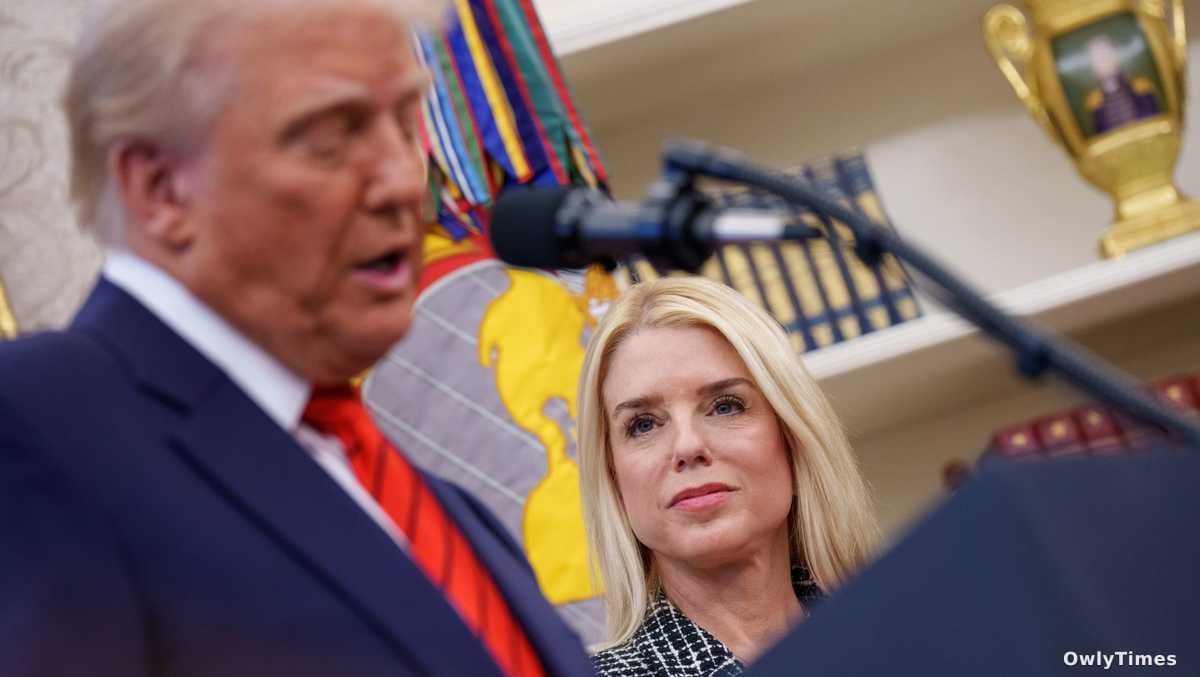
The departure of Pam Bondi from the Department of Justice isn’t simply a personnel change; it’s a calculated retreat from a strategy of overt politicization, signaling a shift in how the Trump administration manages mounting legal and political pressures. Bondi’s exit, framed as a move to the private sector, follows closely on the heels of Christie Nome’s removal from DHS, revealing a pattern: loyalty is rewarded with positions of influence, but when that loyalty becomes a liability – attracting sustained scrutiny and bipartisan condemnation – those figures are quietly ushered out. The appointment of Todd Blanche, Bondi’s deputy and previously President Trump’s personal attorney, as acting Attorney General is the crucial detail here, a move that doesn’t signal a course correction, but rather a consolidation of power directly accountable to the President.
Based on the original wbaltv.com report.
Bondi’s tenure at the DOJ was defined by a deliberate dismantling of established protocols. The “dramatic shakeup” – as the report accurately describes it – wasn’t about improving efficiency or addressing systemic issues; it was about targeting perceived enemies and enacting the President’s agenda through the levers of law enforcement. Allies frame this as rectifying “past abuses of power,” a vague justification that conveniently ignores the damage inflicted on the DOJ’s reputation for impartiality. The core tension is this: the administration consistently presented itself as restoring law and order, while simultaneously weaponizing the justice system for political ends. This isn’t a new tactic, but the scale and brazenness with which it was pursued under Bondi’s leadership are noteworthy.
Who benefits and who loses from this reshuffling? President Trump clearly benefits, retaining control over a critical institution even as it faces increasing legal challenges. His base, primed to view any investigation as a “witch hunt,” will likely see Bondi’s departure as a casualty of the “deep state.” Those who lose are the principles of institutional independence and the public’s trust in the justice system. The appointment of Blanche, a figure with a clear history of defending the President personally, further erodes the firewall between the White House and the DOJ. The implication is stark: the Attorney General is now, effectively, an extension of the President’s legal defense team. This echoes the tactics employed during the Nixon administration, where attempts to use the DOJ to obstruct investigations ultimately led to a constitutional crisis. While the current situation doesn’t yet reach that level of severity, the trajectory is concerning.
The lingering questions surrounding the handling of the Jeffrey Epstein case are central to understanding the timing of Bondi’s exit. The bipartisan backlash over the DOJ’s handling of the files suggests that Bondi’s testimony before Congressional Democrats – a demand they continue to press – would have been deeply damaging. The fact that she is leaving before facing that scrutiny speaks volumes. The Epstein case, with its connections to powerful figures, represents a significant vulnerability for the administration. Bondi’s departure doesn’t resolve the underlying issues; it simply removes a key figure who could potentially implicate others. The $21.8 million settlement paid by Epstein’s estate to victims in Florida, negotiated while Bondi was Attorney General, has already drawn scrutiny, raising questions about potential conflicts of interest.
The political chess move to watch next isn’t whether Blanche will continue Bondi’s policies – he almost certainly will. It’s whether the incoming Attorney General, whoever that may be, will attempt to rebuild the DOJ’s credibility by establishing clear ethical guidelines and distancing the department from direct political interference. More specifically, will the new Attorney General allow the DOJ to fully investigate the Epstein case, even if it leads to uncomfortable truths about individuals connected to the President? The answer to that question will determine whether this is merely a tactical adjustment or a genuine attempt to restore the rule of law.