
The Geopolitical Toll of Airspace Control: Iran’s Calculated Risk
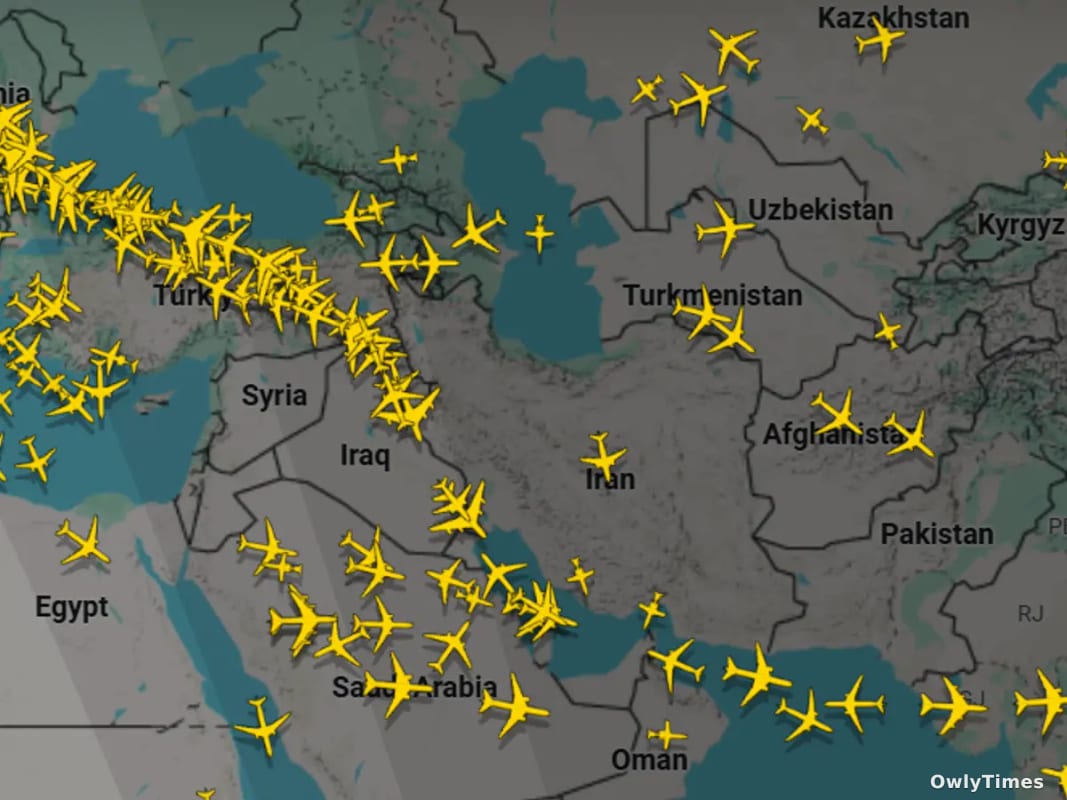
The Wednesday closure of Iranian airspace wasn’t a spontaneous reaction to regional tensions, but a calculated demonstration of leverage. While officially framed as a precaution amidst escalating conflict between the US and Iran, the move served as a stark reminder of Iran’s control over a critical artery of global air travel and the economic disruption it can inflict. The swift reopening, just under five hours later, suggests the intent wasn’t sustained paralysis, but a pointed signal of its capabilities – and the costs of ignoring its concerns. This isn’t simply about aviation safety; it’s about projecting power through control of essential infrastructure.
Reporting from wionews.com informs this analysis.
The strategic importance of Iran’s airspace stems from its geographic position, offering the most efficient great-circle route between Europe and Asia. Airlines routinely rely on the Tehran Flight Information Region to minimize flight times and fuel consumption. Diverting around Iran adds 45-120 minutes to flights and can cost thousands of dollars per sector – a significant expense, particularly for high-volume carriers. Air India’s cancellation of three US flights following the closure illustrates the immediate financial impact. This isn’t a marginal issue; it’s a direct hit to airline bottom lines and, ultimately, to the cost of global commerce. The disruption highlights how deeply interwoven civilian infrastructure is with geopolitical risk.
Who Benefits and Who Loses in a Closed Corridor
The immediate losers were, predictably, airlines and their passengers. Beyond Air India, IndiGo and SpiceJet were forced to reroute or cancel services, creating logistical headaches and potential delays for travelers. However, airlines flying routes further north – through Russia, for example – or south, through Egypt, saw a temporary, albeit limited, increase in demand. The larger beneficiary, though, is the Iranian regime itself. The closure underscored its ability to disrupt global trade and transportation, effectively raising the stakes in any potential conflict. This demonstration of control is aimed not just at the US, but also at regional actors like Saudi Arabia and Israel, signaling the potential consequences of escalation.
Historically, Iran has demonstrated a willingness to weaponize its airspace. The 2025 closure during the conflict with Israel, though less publicized, followed a similar pattern. More tragically, the 2020 downing of Ukraine International Airlines Flight PS752, initially denied by Tehran as “Western propaganda,” revealed a dangerous lack of differentiation between civilian and potentially hostile aircraft. While the regime eventually acknowledged responsibility for the tragedy – claiming it was a misidentification – the incident casts a long shadow over the safety of flying over Iranian territory. This legacy of risk is a constant calculation for airlines, even during periods of relative calm.
Parallels to the Suez and Strait of Hormuz
Iran’s control over its airspace echoes historical precedents of strategic chokepoints. The 1956 Suez Crisis demonstrated the power of controlling the Suez Canal, a vital waterway for global trade. Similarly, the Strait of Hormuz, through which a significant percentage of the world’s oil supply passes, remains a constant source of tension and potential disruption. In each case, the controlling power – whether Egypt in 1956 or Iran today – wields significant leverage over global economies. The difference here is the airspace is less tangible than a waterway, making it a more easily deniable form of coercion. It’s a “grey zone” tactic, falling short of outright aggression but still capable of inflicting substantial economic pain.
The speed with which the airspace was reopened is also telling. Prolonged closure would have triggered a cascading series of disruptions, potentially forcing airlines to permanently alter routes and increasing costs for consumers. This suggests Iran’s objective wasn’t to cripple air travel, but to send a message. The brief disruption served as a reminder of its capabilities without incurring the long-term economic consequences of a sustained closure. This calculated restraint is a key element of Iran’s strategic playbook.
The Next Move: Monitoring Flight Paths and Regional Diplomacy
The immediate question now is whether airlines will adjust their flight paths in anticipation of further disruptions. While rerouting adds cost and time, the risk of a repeat closure – or, worse, a direct threat to civilian aircraft – may prove too great for some carriers. We should watch for a subtle but significant shift in flight patterns over the coming weeks, particularly for airlines serving destinations in South and Southeast Asia. More importantly, the diplomatic fallout from this airspace closure will be crucial. Is this a prelude to further escalation, or a signal that Iran is willing to de-escalate in exchange for concessions? The next political chess move to watch is the level of engagement – or lack thereof – between Tehran and Washington in the coming days. A sustained period of quiet diplomacy would suggest a desire to avoid further confrontation; continued rhetoric and military posturing would indicate the airspace closure was merely a warning shot in a larger, more dangerous game.