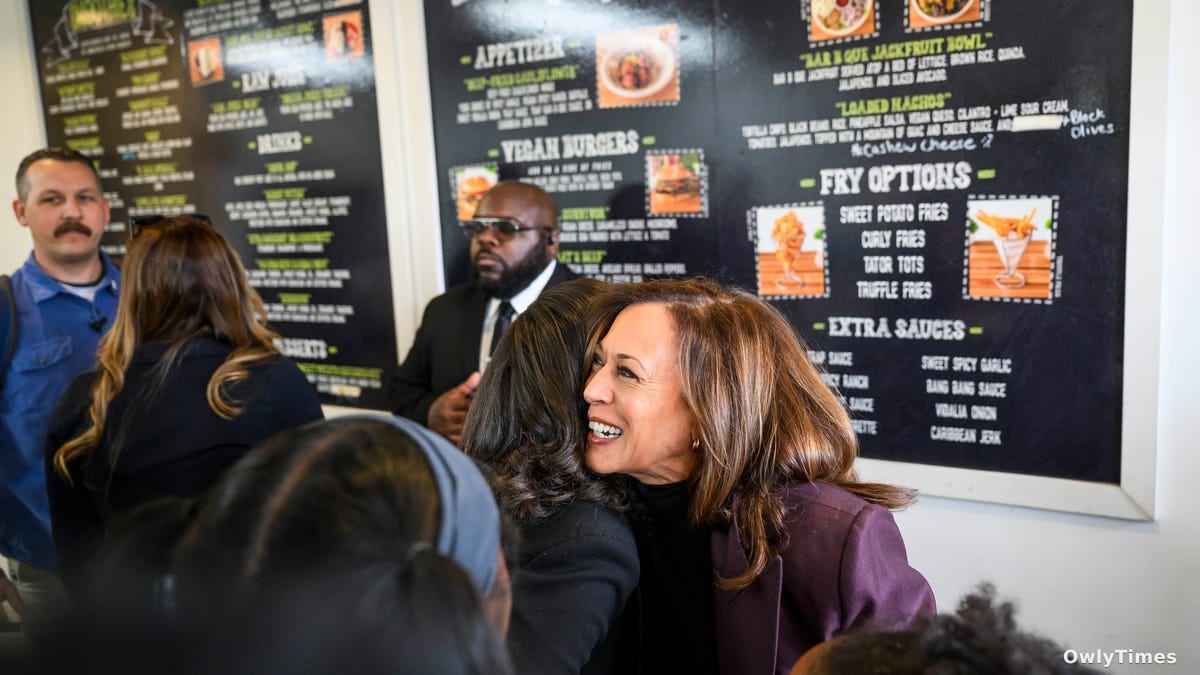

The timing is deliberate. Kamala Harris’s condemnation of Donald Trump’s military strikes on Iran, delivered from a Detroit vegan burger shop on February 28, 2026, isn’t simply a policy disagreement – it’s a calculated positioning move within a fractured Democratic Party. The optics of criticizing a wartime decision while simultaneously embracing the symbolism of “Black girl magic” at a local business speaks to a strategic attempt to reconcile the party’s progressive base with anxieties about appearing weak on national security. This isn’t about Iran, not primarily. It’s about 2028.
The immediate context is Trump’s decision, 13 months into his second term, to launch “massive” operations against Iran, ostensibly to prevent the development of nuclear weapons and “eliminate imminent threats.” Trump framed the action as a fulfillment of his campaign promise to end security threats, a claim swiftly challenged by Harris, who pointedly reminded reporters he’d “promised to end wars rather than start them.” The 49.7% to 48.3% margin by which Trump defeated Harris in Michigan in November 2024 looms large here; Detroit, a crucial Democratic stronghold, is the chosen stage for her dissent. The stakes aren’t just geopolitical, they’re electoral.
Based on the original The Detroit News report.
Who benefits and who loses from this unfolding situation? Trump consolidates his base with a show of strength, fulfilling a core promise to a segment of the electorate prioritizing national security above all else. Israel gains a powerful ally in confronting a long-standing adversary. Conversely, Harris attempts to position herself as a responsible alternative, appealing to voters wary of endless wars and presidential overreach. The biggest losers, potentially, are American troops now “in harm’s way,” as Harris stated, and the fragile stability of the Middle East. The Iranian regime, predictably, frames the strikes as aggression, potentially escalating regional tensions. The question is whether this escalation serves Trump’s long-term goals, or if it’s a reckless gamble.
The invocation of the War Powers Act is a familiar refrain in these scenarios. The U.S. Constitution grants Congress the power to declare war, yet presidents have repeatedly circumvented this provision, relying on the 1973 Act or their authority as commander-in-chief. This tension between executive power and congressional oversight is a recurring theme in American history, dating back to James Madison’s warnings about the dangers of a standing army and an overly powerful executive. Consider the Gulf of Tonkin Resolution in 1964, which provided a legal justification for escalating U.S. involvement in Vietnam – a resolution later widely discredited as based on flawed intelligence. Trump’s actions, while lacking a direct parallel to Tonkin, echo the pattern of executive branch expansion of wartime powers.
Beyond the immediate political fallout, Harris’s Detroit visit served a dual purpose. The carefully curated scenes – hugging Detroit Mayor Mary Sheffield, sampling a kale smoothie at Trap Vegan, receiving artwork from young constituents – were a deliberate effort to project an image of accessibility and connection to the community. This is a crucial element of her potential 2028 strategy, particularly given the competition from other potential Democratic contenders like Gavin Newsom, Josh Shapiro, Pete Buttigieg, and even Gretchen Whitmer, the current Michigan governor. The “Black girl magic” narrative, while seemingly symbolic, is a potent message aimed at galvanizing a key demographic within the Democratic base.
The political chess move to watch next isn’t in Tehran or Jerusalem, but in Washington D.C. Will Congress, spurred by Harris’s call to action, attempt to assert its constitutional authority and limit Trump’s military options? A bipartisan coalition opposing the war is unlikely, given the deep partisan divisions. However, a sustained effort to restrict funding or impose conditions on further military action could significantly constrain Trump’s ability to escalate the conflict. The real test will be whether moderate Republicans, concerned about the economic and geopolitical consequences of a wider war, will break ranks and side with Democrats. The outcome will not only determine the fate of U.S. policy toward Iran, but also the shape of the 2028 presidential race.