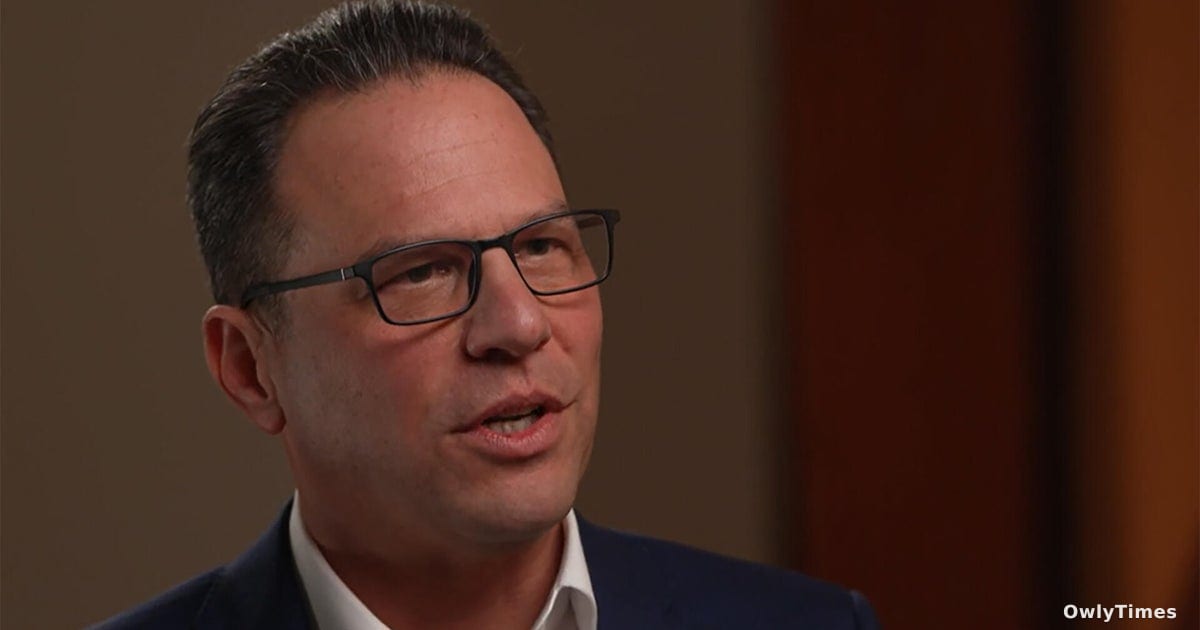

The strategic calculus for Josh Shapiro’s 2026 reelection bid is less about the governorship itself and more about institutionalizing a "Shapiro machine" that functions as a proof-of-concept for a national political brand. By pouring more than $900,000 into the state party’s accounts and maneuvering to install a handpicked chair, the Pennsylvania governor is moving beyond traditional campaigning to perform a hostile takeover of his own party’s infrastructure. In a political environment where Democrats are desperate for evidence of electoral efficacy, Shapiro is betting that the path to national relevance is built on the tangible, data-driven metrics of flipping legislative seats and securing congressional primaries, rather than the abstract rhetoric often favored by potential presidential contenders.
Who benefits from this centralization? Clearly, the governor, who gains the leverage to demand loyalty from down-ballot candidates and the ability to demonstrate to national donors that he is a "winner," as described by strategist Paul Begala. Conversely, the losers in this aggressive consolidation are the grassroots challengers who find themselves running against the weight of the governor’s endorsements and his financial resources. Candidates like Ryan Crosswell, a former federal prosecutor, have explicitly pushed back against this "power broker network," highlighting the growing friction between local party autonomy and the top-down influence of a governor with eyes on the national stage.
The parallel here is found in the tactical successes and failures of his peers. While Illinois Governor JB Pritzker successfully cleared the field for his preferred Senate candidate, others have faced stiff headwinds; Maryland Governor Wes Moore’s failure to redraw congressional maps serves as a cautionary tale of the limits of gubernatorial influence. Shapiro is attempting to navigate this middle ground, utilizing his state’s status as a swing-state battleground to command attention from both the party establishment and national figures like Donald Trump, who has already made the Commonwealth a focal point of his own political strategy.
The tension within this strategy is visible in the divergent priorities of the stakeholders. For Republican State Treasurer Stacy Garrity, Shapiro’s focus on legislative control is evidence of a man more concerned with "Pennsylvania Avenue" than the kitchen-table issues of Pennsylvania families. Yet, for the Democratic base, the promise of a "trifecta"—which would allow the party to bypass long-standing Republican opposition to raise the minimum wage or expand LGBT protections—serves as a powerful incentive to fall in line. Shapiro is essentially trading local legislative control for the political capital needed to ascend the party’s national hierarchy.
The contradictions are equally sharp. While Shapiro maintains that his singular focus is the upcoming gubernatorial contest, his actions—from hand-selecting party leadership to actively recruiting and funding candidates like Scranton Mayor Paige Cognetti, union leader Bob Brooks, and former television personality Janelle Stelson—suggest a comprehensive effort to mold the state’s political identity. This is a high-stakes gamble: if he secures a Democratic majority in the state legislature and successfully flips the targeted House seats, he solidifies his status as a kingmaker. If he fails, he risks exposing the limitations of his influence in a state that remains notoriously difficult to command.
The next indicator of this strategy's success will be the performance of his endorsed candidates in the upcoming congressional primaries. As these candidates compete, the margin of victory or defeat will serve as a measurable signal of the strength of the "Shapiro machine" versus the pushback from those wary of the governor's institutional grip.





