
Are we sleepwalking into a surveillance state disguised as public safety? Hawaiʻi’s recent embrace of drones and gunshot detection technology, ShotSpotter, isn’t about making Waikīkī safer – it’s about a fundamental shift in the relationship between citizens and the state, one where constant monitoring is normalized and accountability vanishes. The real story here isn't enhanced policing; it's the erosion of privacy and the deepening of systemic inequities under the guise of technological progress.
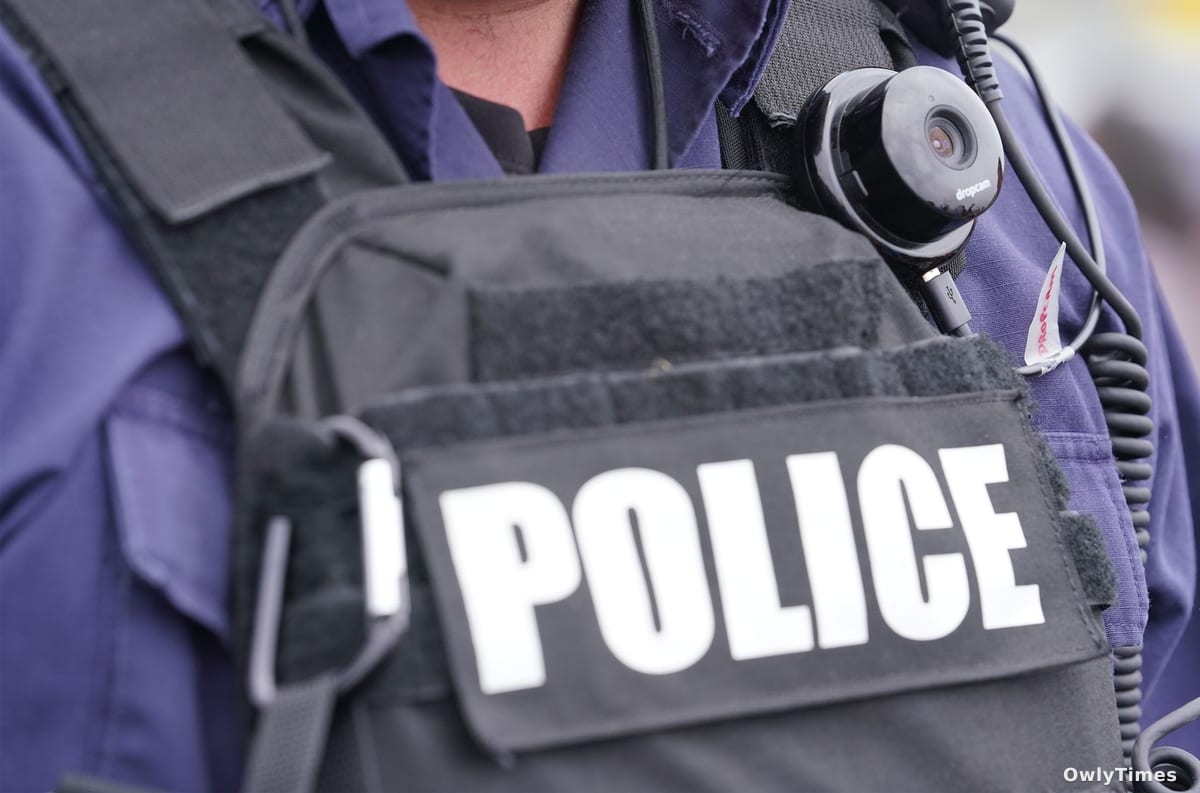
Last month, the Hawaiʻi Department of Law Enforcement announced an expansion of surveillance, adding drones and ShotSpotter to an already growing arsenal of monitoring tools including body-worn cameras, parking lot cameras, and access to private security feeds. While officials promise these technologies will improve public safety – citing potential benefits like providing officers with crucial information during confrontations – the lack of transparency surrounding their implementation is deeply troubling. The Honolulu Police Department’s refusal to disclose drone usage details, citing “operational security,” isn’t a safeguard; it’s a stonewall. This isn’t simply a matter of withholding information; it’s a pattern of opacity from a department overseen by a demonstrably ineffective Honolulu Police Commission.
The concern isn’t just about drones peering into bedroom windows, though that’s a valid fear. It’s about the cumulative effect of these technologies, creating a digital panopticon where every movement, every sound, is potentially recorded and analyzed. The data collected isn’t just passively observed; it’s stored and used. And the public has no clear understanding of how that data is secured, who has access to it, or whether it could be shared with private companies for purposes like facial recognition and behavioral prediction. We’re building a system where our actions today could be used to control our choices tomorrow, and the conversation isn’t happening in public.
This article draws on reporting from civilbeat.org.
This intensification of surveillance isn’t happening in a vacuum. It’s coinciding with a troubling trend: the criminalization of poverty in Honolulu. Advocates for these technologies often claim a right to safety outweighs privacy concerns in public spaces. What they conveniently ignore is that for the unhoused, there is no public versus private space – their lives are lived entirely in view. Greater police surveillance doesn’t address the root causes of poverty; it simply punishes its symptoms, contributing to a cycle where over half of those in Honolulu jails are grappling with homelessness, substance dependency, or mental illness. They’re incarcerated not because they pose a genuine threat, but because they can’t afford bail.
The narrative of “enhanced safety” also conveniently obscures the fact that this technological push is happening alongside the militarization of policing. The adoption of armored vehicles, siege weapons, and “warrior training” isn’t about community policing; it’s about adopting counterinsurgency tactics developed for conflict zones like Gaza and the Global War on Terror. Is this really the model for maintaining order in a democratic society? The justification often given – an officer shortage within the HPD – feels less like a genuine constraint and more like a convenient excuse to automate policing, replacing human judgment with algorithmic control.
And the effectiveness of these tools is, at best, questionable. The HPD admitted drones weren’t particularly useful in curbing illegal fireworks displays on New Year’s Eve. A 2024 study by Professor Ian T. Adams and colleagues found AI tools didn’t significantly improve police report writing. Independent research on ShotSpotter hasn’t demonstrated crime reduction, but has shown it disproportionately targets minority communities. The claims of effectiveness consistently originate from the manufacturers themselves – companies motivated by profit, not public service. We’re being sold solutions to problems that may not even exist, funded by our tax dollars.
The alternative isn’t to reject technology outright, but to prioritize strategies that address the root causes of crime and focus on community well-being. Reallocating tasks currently handled by police – like wellness checks – to trained crisis responders, a tactic supported by research, would free up officers to focus on serious threats. Investing in social services, affordable housing, and mental health care would do far more to enhance public safety than another surveillance camera. Thoughtless pursuit of technological fixes is dangerous, and robust public scrutiny is essential.
Here’s what to watch for: in the next six months, pay attention to whether the Honolulu Police Department releases any data regarding drone usage, even anonymized. If they continue to cite “operational security” as a shield against transparency, it will signal that this isn’t about public safety – it’s about building a system of control with no accountability. And if you don’t hear a sustained, public debate about the ethical implications of these technologies, consider that the quiet acceptance of surveillance is the most dangerous outcome of all.