
Beyond Bedside Manner: Why Arkansas is Investing in Simulated Realities for Healthcare
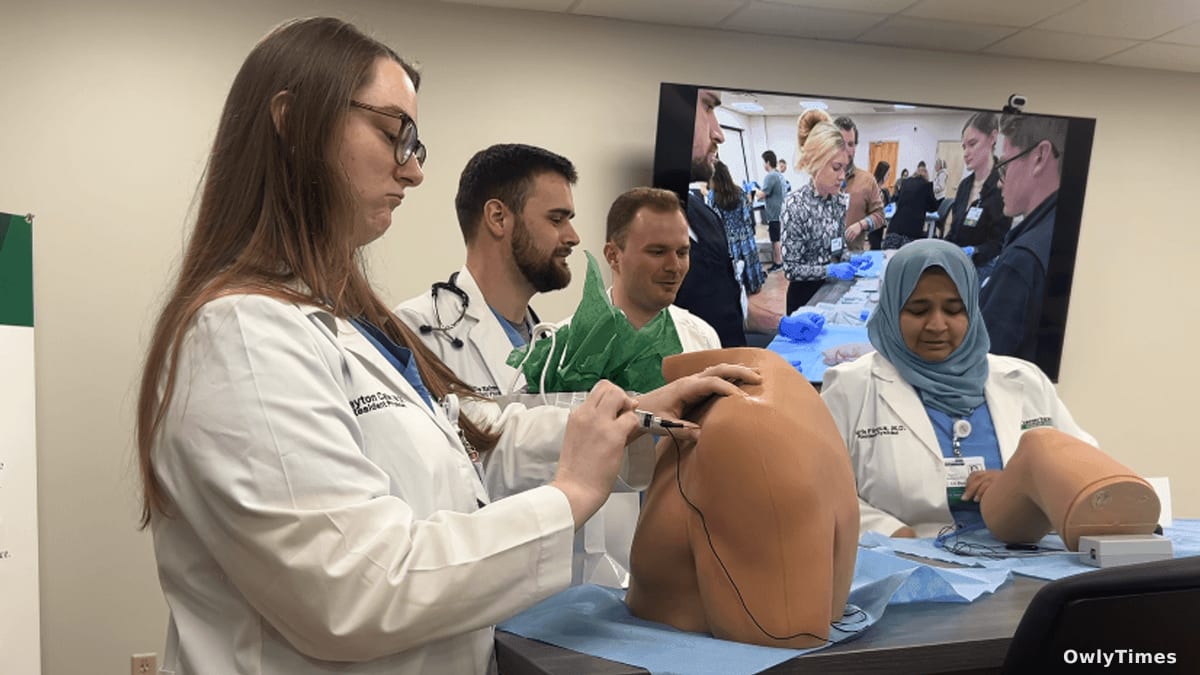
The opening of a new simulation lab at Conway Regional Health System isn’t simply a local hospital upgrade; it’s a calculated response to a systemic vulnerability in Arkansas and across the nation: the escalating healthcare worker shortage, and the inherent risks of underpreparedness. While headlines focus on the 1,500 students Governor Sarah Huckabee Sanders highlighted during Thursday’s opening ceremony, the deeper story lies in how this lab intends to address the problem, and whether simulated experience can truly translate to competent, confident care. The investment, totaling approximately $800,000 in state funding alongside support from the Conway Regional Health Foundation, signals a shift in training philosophy – one prioritizing controlled, repeatable practice over traditional, often limited, clinical exposure.
The Limits of “Real-World Experience”
For decades, medical training has relied heavily on the apprenticeship model: learning by observing and assisting experienced clinicians. However, this model is increasingly strained. The sheer volume of patients needed to provide adequate training opportunities is diminishing, particularly in rural areas like those surrounding Conway. Moreover, the unpredictable nature of real-life emergencies means trainees may not encounter critical scenarios – like emergency childbirth or cardiac arrest – frequently enough to develop true proficiency. Matt Troup, CEO of Conway Regional, articulated this challenge succinctly: “Simulation labs allow us to really concentrate on those critical moments…that we don’t just see every day.” This isn’t about replacing real patient interaction, but supplementing it with focused, deliberate practice. The lab’s realistic medical mannequins, capable of simulating a wide range of emergencies, offer a standardized platform for repeated exposure to high-stakes situations, something a busy hospital floor simply cannot guarantee.
Drawn from katv.com.
Bridging the Confidence Gap: What the Data Suggests
The core benefit of simulation training, as described by resident physician Ben Majors, is the opportunity to “bridge the gap” between theoretical knowledge and practical application. But does this translate to improved patient outcomes? Research suggests it does, though the picture is nuanced. Studies consistently demonstrate that simulation training enhances technical skills – things like intubation and central line placement – and improves team communication during crisis scenarios. A 2019 meta-analysis published in Academic Medicine found that simulation-based training was associated with a 20% reduction in critical errors during actual medical procedures. However, the same analysis cautioned that the long-term impact on patient mortality remains less clear, and that the effectiveness of simulation depends heavily on the quality of the training program and the fidelity of the simulation itself. Conway Regional’s investment in a “state-of-the-art” facility suggests an awareness of these nuances, but ongoing evaluation will be crucial.
A State-Level Response to a National Crisis
Arkansas’s commitment of $800,000 to this project isn’t an isolated event. Across the country, states are grappling with a projected shortage of over 122,000 physicians by 2032, according to the Association of American Medical Colleges. This shortage is particularly acute in primary care and in rural areas, exacerbating existing health disparities. Governor Sanders’s emphasis on the lab’s capacity to train 1,500 students annually underscores the urgency of the situation. However, it’s important to note that training capacity alone isn’t a panacea. Retention of healthcare professionals in Arkansas remains a significant challenge, driven by factors like lower salaries and limited career opportunities compared to other states. The simulation lab addresses the preparation phase, but systemic issues related to workforce sustainability must also be addressed.
Looking Ahead: Measuring Impact and Expanding Access
The opening of the Conway Regional simulation lab is a promising step, but the real work begins now. The next phase of research should focus on tracking the performance of graduates who have benefited from the simulation training, comparing their clinical outcomes to those of physicians trained using traditional methods. Furthermore, exploring ways to expand access to this type of training – perhaps through mobile simulation units that can serve rural hospitals – will be critical. A key question moving forward is whether this investment will demonstrably improve patient safety and reduce medical errors specifically within Arkansas’s unique healthcare landscape. Will we see a measurable increase in the number of healthcare professionals choosing to practice in underserved communities after benefiting from this enhanced training? That’s the metric that will truly determine the success of this initiative.