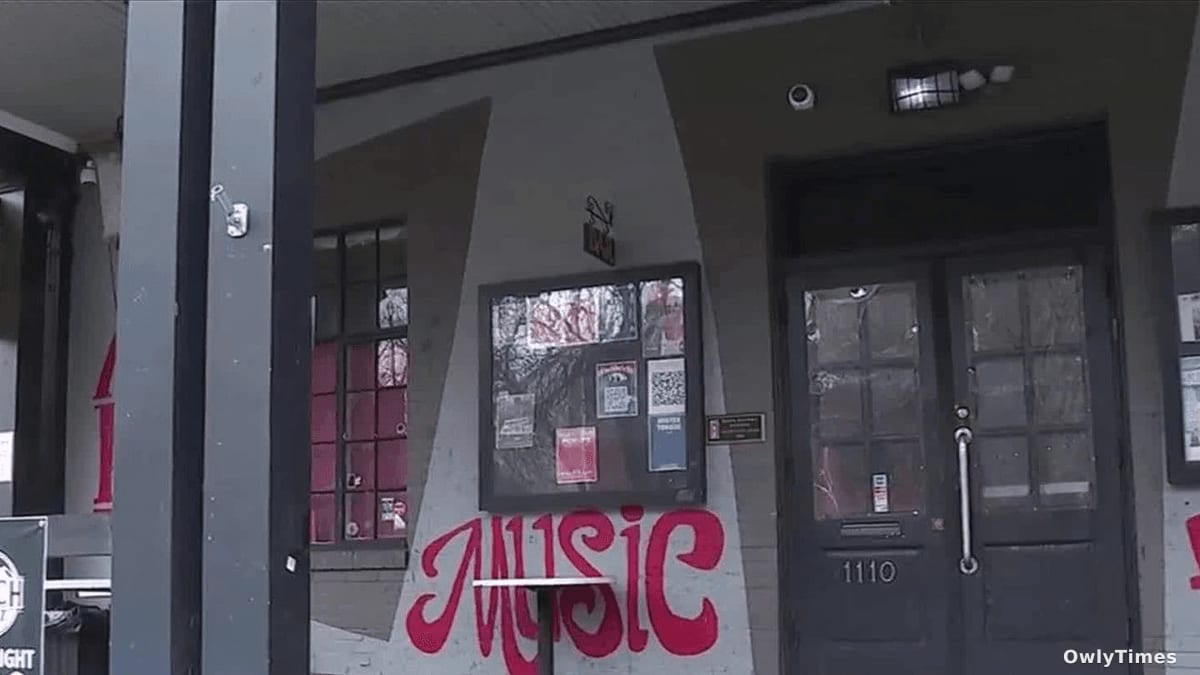

$365,000 in Unremitted Taxes: The Harrisburg Midtown Art Center’s Financial Collapse
A cumulative $365,000 in unremitted amusement taxes – roughly 10% of ticket sales over three years – is at the heart of the Harrisburg Midtown Art Center’s (HMAC) impending closure, a figure that reveals a pattern of financial mismanagement and broken promises far beyond a simple “struggling small business.” While founder John Traynor frames the non-payment as a consequence of economic hardship and a desire to shield customers from price increases, a review of statements from city officials and public records paints a picture of systematic tax avoidance coupled with escalating operational issues. This isn’t a story of a venue undone by COVID-19; it’s a case study in how unaddressed financial liabilities can choke a business, even one generating “millions of dollars in revenue,” as stated by Harrisburg City Solicitor Neil Grover.
This article draws on reporting from local21news.com.
The core of the dispute, as outlined by City Treasurer Dan Miller, is deceptively simple: the 10% amusement tax is levied on ticket sales and is intended to be passed on to the consumer, with HMAC acting as a collector for the city. Traynor’s argument that the tax was deducted from “gross sales” – effectively absorbing the cost himself – is a critical point of contention. This decision, while potentially appealing to patrons, immediately created a cash flow problem and a legal liability. Consider the arithmetic: a venue consistently selling $36,500 in tickets monthly would be required to remit $3,650 to the city. By absorbing this cost, HMAC effectively reduced its operating margin by nearly 10% each month, a burden that proved unsustainable, particularly as other issues mounted.
The city’s attempts to resolve the issue stretch back years, with Grover explicitly stating the current proposal from Traynor is a “repeat” of one offered a year ago – a promise that, like previous ones, went unfulfilled. This pattern of broken commitments is what prompted the city to take a harder line, refusing to issue necessary permits and licenses until the back taxes are paid. The resulting inability to secure a health license then triggered the loss of HMAC’s liquor license from the Pennsylvania Liquor Control Board, a significant revenue stream for any entertainment venue. This illustrates a clear cause-and-effect chain: tax avoidance led to permit denials, which led to license revocation, ultimately accelerating the venue’s financial decline.
Beyond the tax issue, publicly available documents suggest a constellation of operational problems – allegations of underage drinking, noise complaints, and drug use – further complicated HMAC’s situation. The Liquor Control Board’s conditions for license renewal – increased security, metal detectors, ID scanners – represent a substantial capital investment that HMAC, already struggling with its tax obligations, was unlikely to meet. These issues aren’t presented as independent problems; they are symptoms of a broader lack of financial control and operational discipline. The board’s demands, while focused on safety, are fundamentally financial hurdles, requiring resources HMAC demonstrably lacked.
Grover’s pointed question – “Where did the millions of dollars they generated over the past few years actually go?” – is the central unanswered question. The city’s intention to investigate this is a significant development, potentially leading to legal action and a deeper examination of HMAC’s financial records. The fact that the city is now framing the issue as “illegal” – specifically, the deliberate retention of tax dollars collected from customers – elevates the stakes considerably. This isn’t simply a business failure; it’s a potential case of fraud.
What this means for your wallet: The HMAC closure highlights the hidden costs of entertainment. While venues often present a single ticket price, consumers should be aware of the underlying taxes and fees. More importantly, this case serves as a cautionary tale for investors and patrons alike: a business’s financial health isn’t solely about revenue; it’s about responsible financial management and honoring legal obligations. The question now is whether the city’s investigation will uncover a pattern of deliberate financial misconduct, or simply reveal a case of mismanagement that spiraled out of control – and whether similar issues are lurking within other Harrisburg entertainment venues.