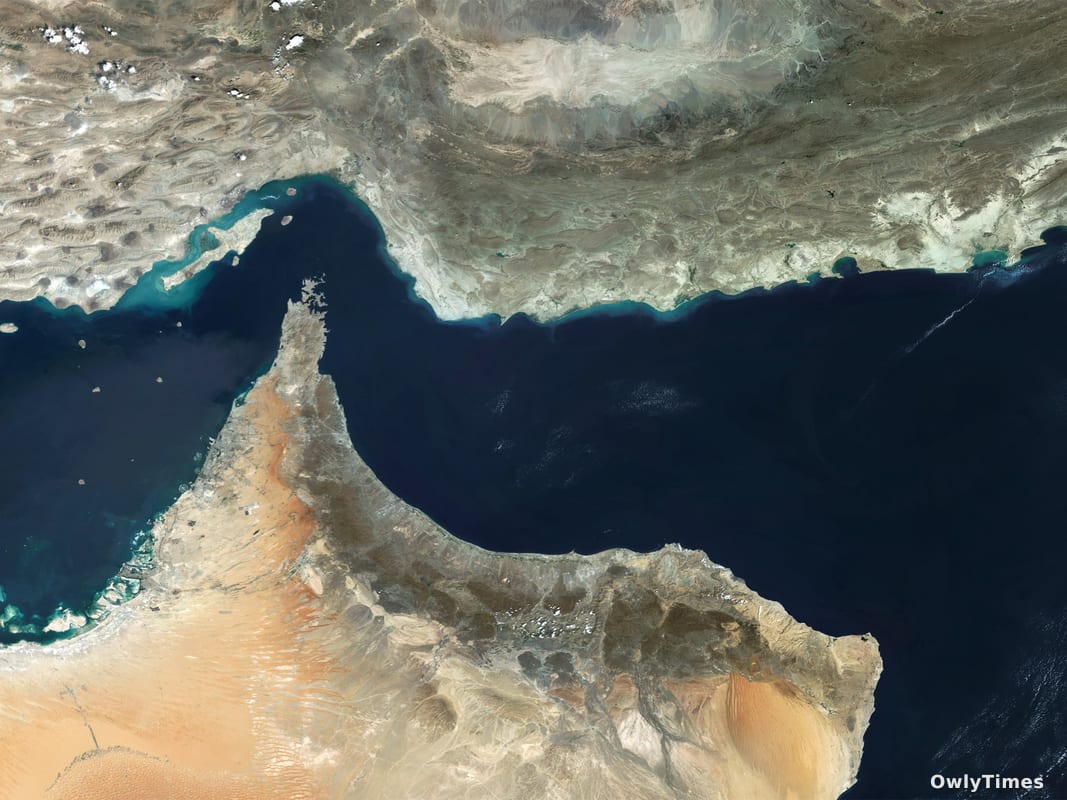

Is the world bracing for a $200 oil shock, or are we collectively overreacting to a localized crisis? The headlines scream about disruptions in the Strait of Hormuz, and yes, the situation is serious. But the real story here isn't just about Iran flexing its power – it’s about the shockingly fragile infrastructure underpinning the global energy system and how little buffer we have against even temporary chokepoints. We’ve built a world reliant on a single, narrow waterway, and now we’re acting surprised when problems arise.
For over two weeks, maritime traffic through the Strait of Hormuz has been under duress, with attacks on vessels and widespread reluctance to risk passage. This isn’t some abstract geopolitical game; about 20 percent of the world’s petroleum and nearly a fifth of global liquified natural gas (LNG) squeezes through this 21-mile stretch of water, making it the principal gateway for Gulf Cooperation Council (GCC) states to global markets. The immediate fallout has been significant. Qatar Energy, Shell, Kuwait Petroleum Corporation, and Bapco have all invoked force majeure – a legal clause absolving them of contractual obligations due to extraordinary circumstances – an unprecedented move in the history of Gulf oil and gas.
Source material: Al Jazeera.
The impact is cascading down the supply chain. Iraq, the world’s sixth-largest oil producer, has slashed production in Basra by 70 percent, plummeting from 3.3 million barrels per day (bpd) to a mere 900,000 bpd. Their attempt to compensate with a 170,000 bpd pipeline to Turkiye is a drop in the bucket. Even Saudi Arabia, the world’s second-largest producer, was forced to temporarily shut down its massive Ras Tanura refinery, capable of processing 550,000 bpd, though they managed to reroute some production through the East-West pipeline to the Red Sea. The UAE has followed suit, closing its largest refinery and diverting exports via pipelines. The result? Oil prices have already surged to nearly $120 per barrel – a price point that translates directly into higher costs at the gas pump and increased inflation for consumers worldwide.
The LNG Squeeze and Asian Vulnerability
The LNG sector is arguably even more vulnerable. Qatar, the world’s second-largest LNG exporter, has curtailed production, and the UAE is experiencing disruptions as well. This hits Asia particularly hard. Consider this: Qatar and the UAE supply 30 percent of China’s LNG imports, 53 percent of India’s, a staggering 72 percent of Bangladesh’s, and 14 percent of South Korea’s. These aren’t just numbers on a spreadsheet; they represent heating homes, powering industries, and fueling economic growth. British wholesale gas prices have more than doubled, while Dutch gas prices are up 24 percent. Benchmark Asian LNG prices jumped almost 39 percent in early March. The energy bills arriving in mailboxes across Europe and Asia are a direct consequence of this disruption.
International Law and the Limits of Enforcement
The situation isn’t simply a matter of regional politics; it’s a potential violation of international law. The United Nations Convention on the Law of the Sea (UNCLOS) guarantees “transit passage” through straits like Hormuz, meaning ships have the right to pass freely, even during times of tension. While Iran isn’t a party to UNCLOS, the principles enshrined within it are widely considered customary international law. The 1949 Corfu Channel case established the right of innocent passage even without a treaty, recognizing these straits as “essential routes of international maritime communication.” Yet, Iran’s threats to obstruct navigation or target commercial vessels directly challenge these established norms. The question isn’t whether this is illegal – it likely is – but whether there’s any effective mechanism to enforce international law against a determined actor.
Beyond Band-Aids: The Need for Diversification
The GCC states are scrambling for solutions, but many are short-term fixes. Saudi Arabia’s rerouting of oil through the Red Sea is a positive step, but it’s not a scalable solution. The real answer lies in diversifying export routes. Building pipeline infrastructure within the GCC, linking producers directly to the Arabian Sea and the Red Sea, would create a vital safety valve. This isn’t a new idea – the Gulf Cooperation Council (GCC) even adopted a Vision for Regional Security in December 2023 prioritizing the protection of energy infrastructure – but implementation has been slow. A dedicated force to protect oil and gas fields, as proposed by the GCC, is a necessary investment, but it’s reactive, not preventative.
The current crisis underscores a fundamental flaw in our energy infrastructure: over-reliance on a single point of failure. We’ve accepted this risk for decades, prioritizing cost-efficiency over resilience. Now, we’re paying the price. The Strait of Hormuz isn’t just a regional flashpoint; it’s a symptom of a larger problem – a global energy system that’s dangerously vulnerable to disruption.
Looking ahead, watch for a significant acceleration in investment in alternative energy infrastructure within the GCC, not just pipelines, but also renewable energy sources. But more importantly, watch for a coordinated effort by Asian nations – particularly China – to directly engage with Iran to de-escalate the situation. The economic pain is being felt most acutely in Asia, and they have the leverage to demand a return to stability. The question isn’t if another disruption will occur, but when. And the next time, the world might not be so lucky.