
23% Drop in Strait of Hormuz Traffic Signals a Fundamental Shift in Global Energy Power Dynamics
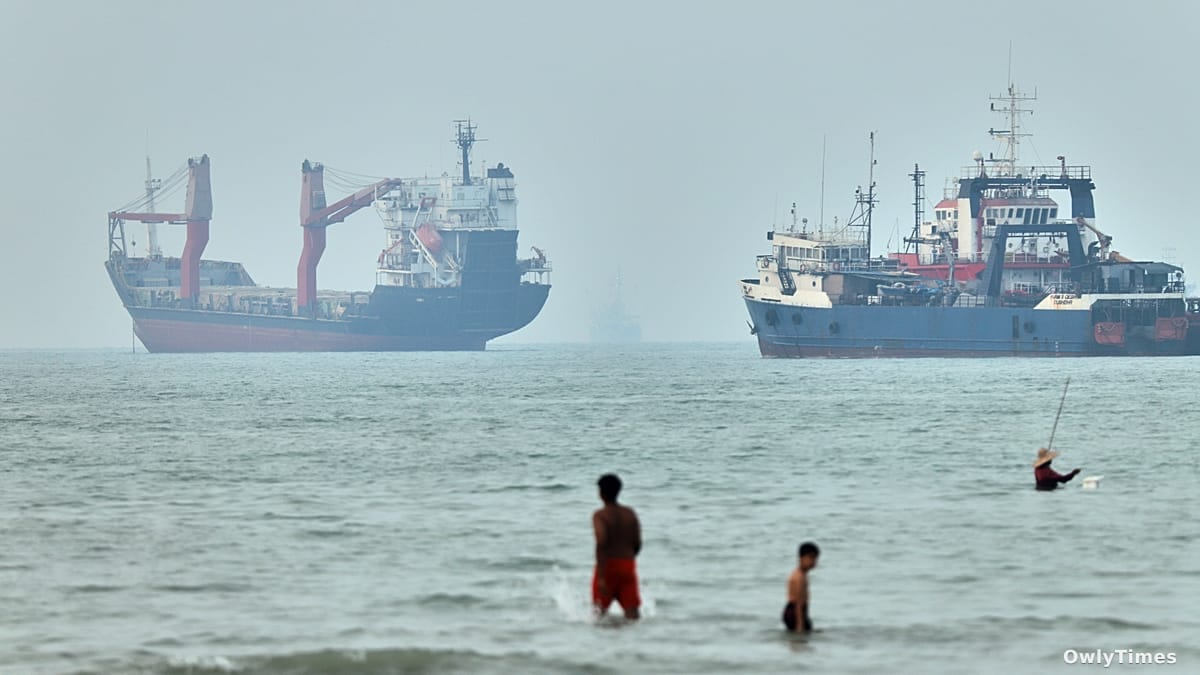
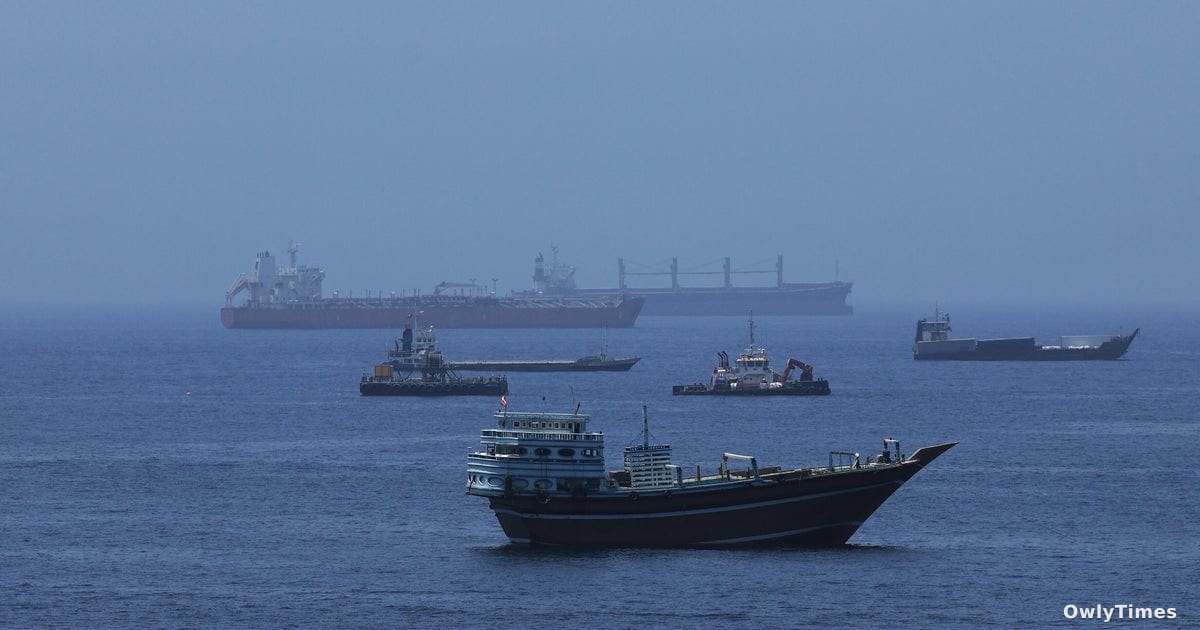
A 23% reduction in vessel traffic through the Strait of Hormuz between March 1st and March 25th – falling from an average of 135 daily transits to just 116 – isn’t a temporary disruption; it’s a calculated demonstration of leverage by Iran, reshaping the geopolitical landscape of global energy flows. While the Trump Administration frames higher oil prices, now exceeding $100 per barrel, as a fleeting consequence of regional conflict, the reality is a deliberate recalibration of control over a critical chokepoint, and a growing challenge to U.S. influence. “We had said that the Islamic Republic of Iran does not forget his friends,” stated the Iranian Embassy in Malaysia following the passage of a Malaysian vessel, a clear signal of a parallel system emerging alongside traditional maritime routes. Follow the money: the disruption isn’t simply about oil prices, it’s about who controls the revenue stream, and Iran is actively building an alternative economic architecture.
See the original time.com story for the full account.
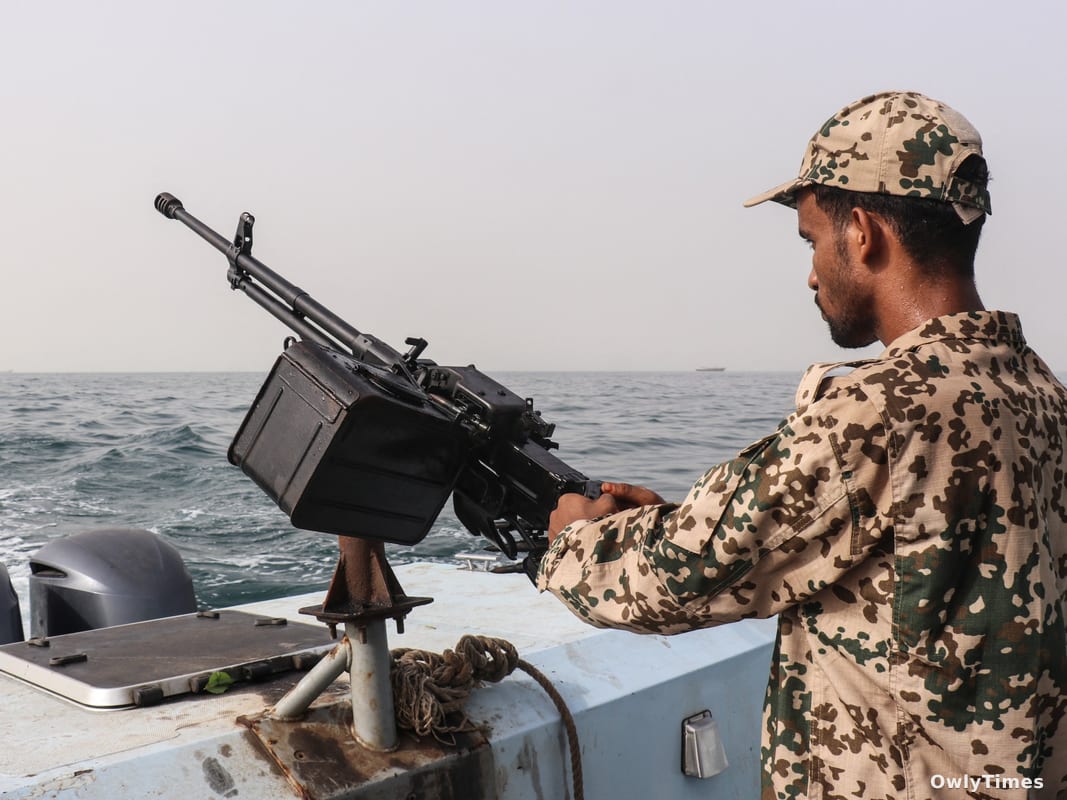
The initial closure, declared by Iran’s Islamic Revolutionary Guard Corps (IRGC) after U.S. and Israeli attacks in late February, targeted the U.S., Israel, and their allies. However, the subsequent negotiation of passage for vessels from countries like Pakistan, India, Thailand, Russia, Turkey, China, Iraq, and Malaysia reveals a strategic pattern. These aren’t concessions born of weakness, but rather a deliberate strategy to isolate the U.S. and build a network of economic dependencies. Andrea Ghiselli of the University of Exeter notes this directly “undermines U.S. leverage” and demonstrates Iran’s ability to manage the strait independently. This isn’t simply about allowing ships through; it’s about establishing a precedent for future control and revenue generation. The emergence of a two-corridor system – an IRGC-controlled northern route and a southern route along the Omani coastline – further solidifies this division and operationalizes Iran’s control.
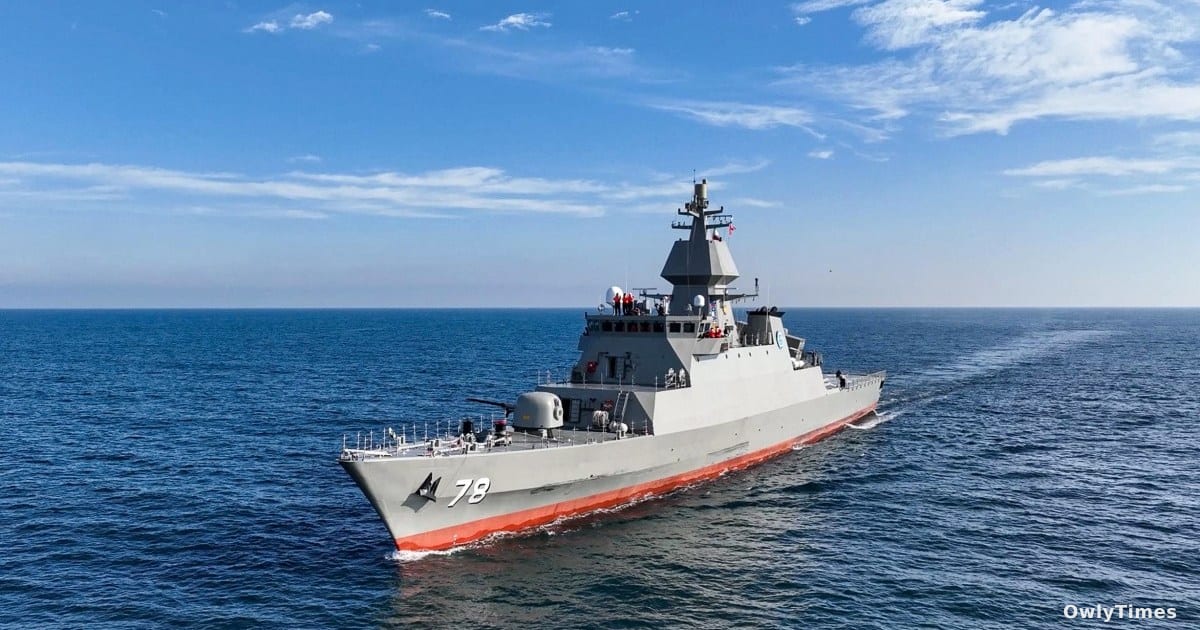
The Trump Administration’s response has been characterized by a disconnect between rhetoric and reality. Secretary of State Marco Rubio’s assertion that the strait “could be open tomorrow if Iran stops threatening global shipping” ignores the fundamental shift underway. The U.S. attempted to recruit NATO allies to secure the strait, but was rebuffed, leaving it relatively isolated in its approach. Even as attacks continue and the strait remains restricted, President Trump has claimed Iran is “militarily defeated” and even floated the idea of charging tolls for passage – a statement that underscores a willingness to treat a critical international waterway as a personal asset. This proposal, reportedly including a $2 million per vessel fee split with Oman, isn’t merely about recouping costs; it’s about institutionalizing Iranian control and framing the situation as a form of war reparations.
This emerging reality is forcing a difficult calculation on global powers. Countries face a stark choice: negotiate with Iran for guaranteed passage, potentially upsetting the U.S., or risk economic disruption. Liu Jia of the National University of Singapore points out that Gulf states may be “compelled to reassess their defense strategies,” including the value of hosting U.S. military bases, if they are perceived as increasing their vulnerability to retaliatory attacks. The tension is palpable: a coalition of over 40 governments is attempting to pressure Iran to reopen the strait, while China and Russia are actively opposing any resolution authorizing the use of force. This division highlights the growing divergence in global interests and the weakening of U.S. influence. The implicit bargain between Beijing and Tehran – diplomatic protection in exchange for continued oil supply – further illustrates this realignment.
The long-term implications extend beyond immediate energy prices. Should Iran successfully institutionalize a toll system, the choice of currency – whether the euro or the Chinese Yuan – could challenge the dominance of the U.S. dollar and potentially trigger a broader global economic crisis. Mohammad Eslami and Zeynab Malakouti of the University of Tehran and the Global Peace Institute argue that Iran is focused on “winning the war,” not just the battle, and is laying the foundation for a permanent restructuring of control over the strait. This isn’t simply about securing passage; it’s about establishing a valuable lever over the global economy and re-entering the international arena on its own terms.
What this means for your wallet: expect continued volatility in energy prices, and be prepared for a world where the cost of shipping – and therefore the cost of goods – is increasingly determined not by market forces, but by geopolitical calculations. The key question now is not if Iran will institutionalize its control over the Strait of Hormuz, but how – and whether the U.S. will adapt to a world where its influence over this critical waterway is significantly diminished. Watch closely for the currency Iran chooses for its toll system; that single decision will signal the extent of its ambition and the potential for a fundamental shift in the global economic order.