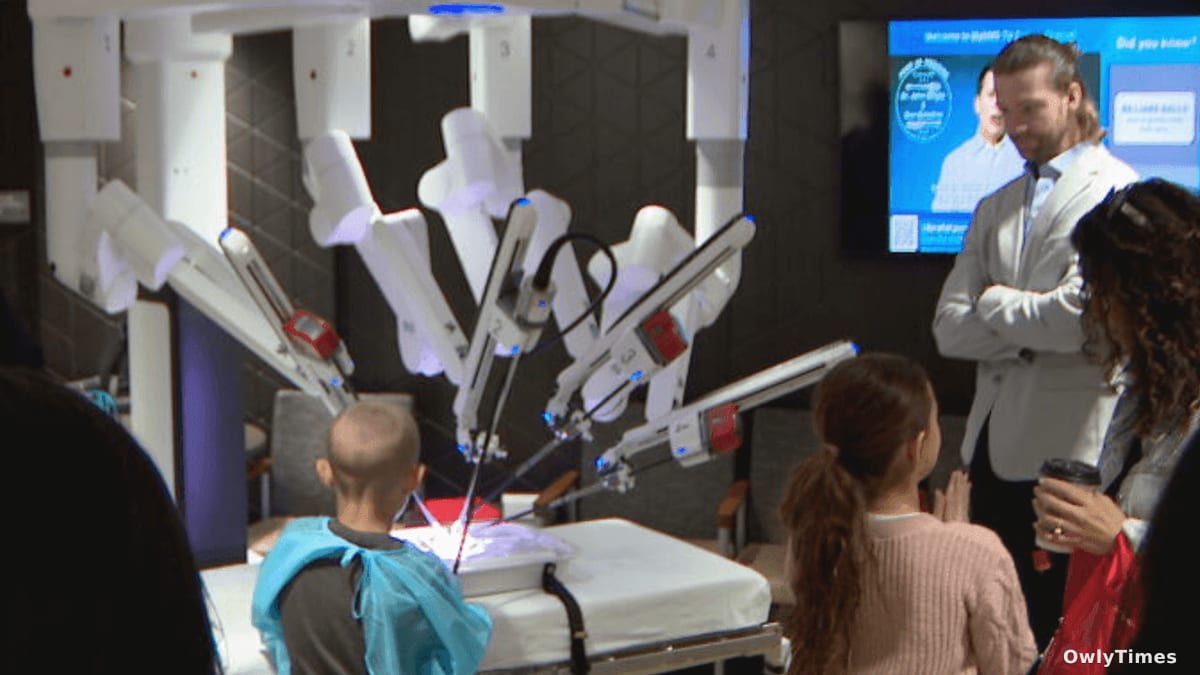

The integration of robotics into modern healthcare often feels like a distant, sterile concept confined to academic journals or high-end surgical suites. However, the true bridge between complex mechanical engineering and public trust is built through transparency and physical interaction. On Sunday, April 26, 2026, Southern Hills Hospital and Medical Center in Las Vegas opened its doors to demystify these tools, moving robotics from the background of clinical practice into the hands of the community.
Bridging the Gap Between Clinical Precision and Public Perception
While headlines regarding robotic surgery often focus on the "futuristic" nature of these tools, the underlying clinical reality is grounded in the pursuit of incremental precision. Nick Johnson, the CEO at Southern Hills Hospital, emphasized that the event served as an invitation for the public to engage with the specific capital investments the institution has made. By showcasing the Davinci platform, the hospital aimed to illustrate how mechanical assistance translates into tangible outcomes for procedures involving the chest, abdomen, and pelvis.
What the public saw on Sunday is a shift toward a multi-disciplinary approach to surgery. The technology does not replace the surgeon; rather, it provides a high-fidelity interface for total joint, knee, hip, and spinal procedures. While the excitement surrounding these machines is palpable, it is important to note that the efficacy of these systems is entirely dependent on the expertise of the operators. The public’s interest in seeing these devices suggests a growing desire for transparency regarding how medical decisions are increasingly mediated by high-tech hardware.
Beyond the Operating Room: The Infrastructure of Emergency Response
The scope of Sunday’s event extended well beyond hospital walls, highlighting the role of robotics in public safety. The Las Vegas Fire & Bomb Squad provided a demonstration of remote-operated units used to neutralize threats, specifically showcasing the integration of X-ray machinery within mobile robotic platforms. This underscores a critical evolution in emergency response: the shift away from placing personnel in high-risk environments when mechanical alternatives are available.
This display was bolstered by the participation of the Clark County Fire Department, Community Ambulance, and AMR/MedicWest. By bringing these agencies together, the event contextualized robotics not just as a medical luxury, but as a vital component of the city's emergency infrastructure. For the observer, this provides a clearer picture of how specialized technology—whether used to inspect a suspicious package or assist in a complex spinal reconstruction—is becoming a standard element of urban resilience.
Limitations to Consider in Robotic Integration
Despite the enthusiasm, we must remain cautious about the narrative of "technological perfection." A significant limitation in the adoption of these platforms is the steep learning curve and the necessity for rigorous, ongoing training for both medical and public safety personnel. High-tech equipment requires significant investment not just in the hardware itself, but in the maintenance and constant updating of the software ecosystems that drive them. Furthermore, the accessibility of these technologies remains confined to facilities that possess the budget for such advancements, potentially creating a disparity in the level of care available across different regions.
The next steps for this field will be defined by the data emerging from the long-term clinical outcomes of these robotic-assisted procedures. As institutions like Southern Hills Hospital continue to integrate these systems, the next reading of patient recovery metrics and procedural success rates will indicate whether the precision promised by these machines translates into a measurable improvement in overall patient health. The integration of robotics is an ongoing process, and the continued public engagement with these tools will be a key indicator of how well we can bridge the divide between high-tech innovation and everyday patient care.





