
Is our obsession with "smart" technology blinding us to the fact that we’ve fundamentally broken our relationship with the natural world? We pour billions into AI-driven predictive modeling, yet when the thermometer climbs and the humidity drops, we are still relying on crews of human beings to stand directly in the path of infernos that defy our best containment strategies.
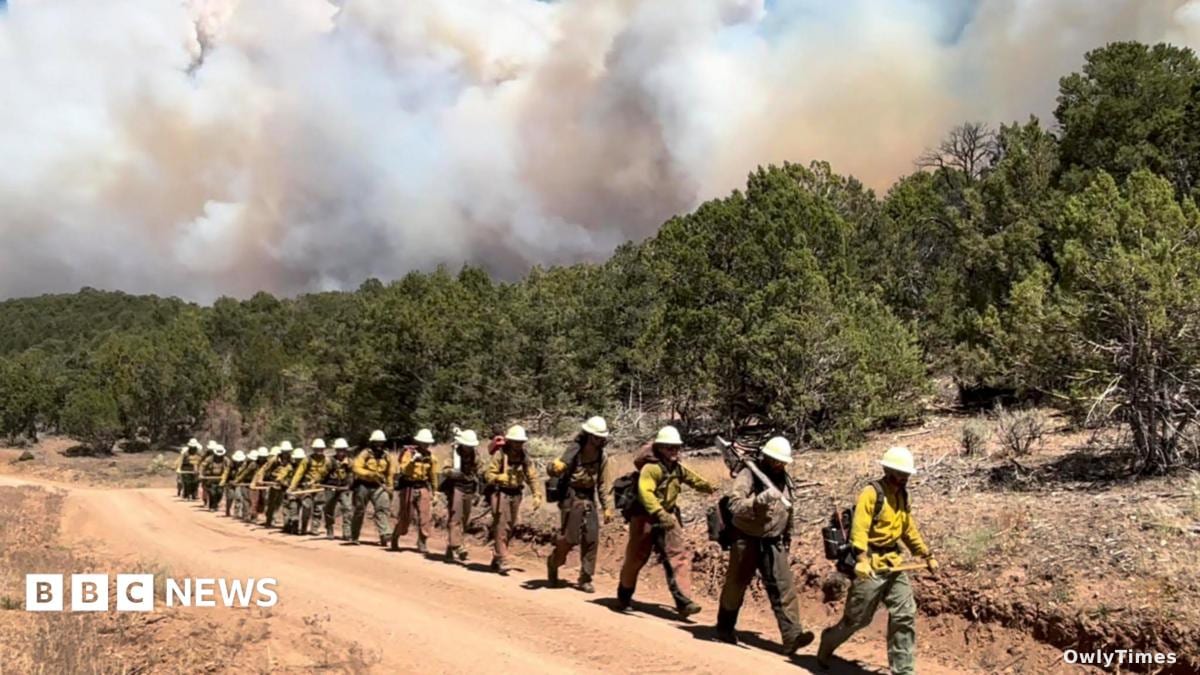
The real story here isn't just the tragic loss of life—it’s the collision of a historically dry climate with an overwhelmed, under-resourced emergency response infrastructure. On Saturday, three firefighters were killed and two others were injured while battling the Knowles and Gore fires along the Colorado-Utah border, according to the BBC. All sources confirm these individuals were part of a federal interagency team, comprising members from the U.S. Wildland Fire Service and the U.S. Forest Service.
The fatalities occurred during a "burnover incident," a harrowing technical term for when fire spreads with such violent speed that it overtakes personnel, forcing them to deploy emergency shelter tents as a last resort, the Department of the Interior reported. While the BBC notes the incident occurred on the Colorado-Utah border, CBS News adds the specific detail that the event took place in Mesa County, Colorado. Agriculture Secretary Brooke Rollins confirmed the focus remains on supporting the families of the fallen, whose names have been withheld pending notification.
The Math of a Megafire
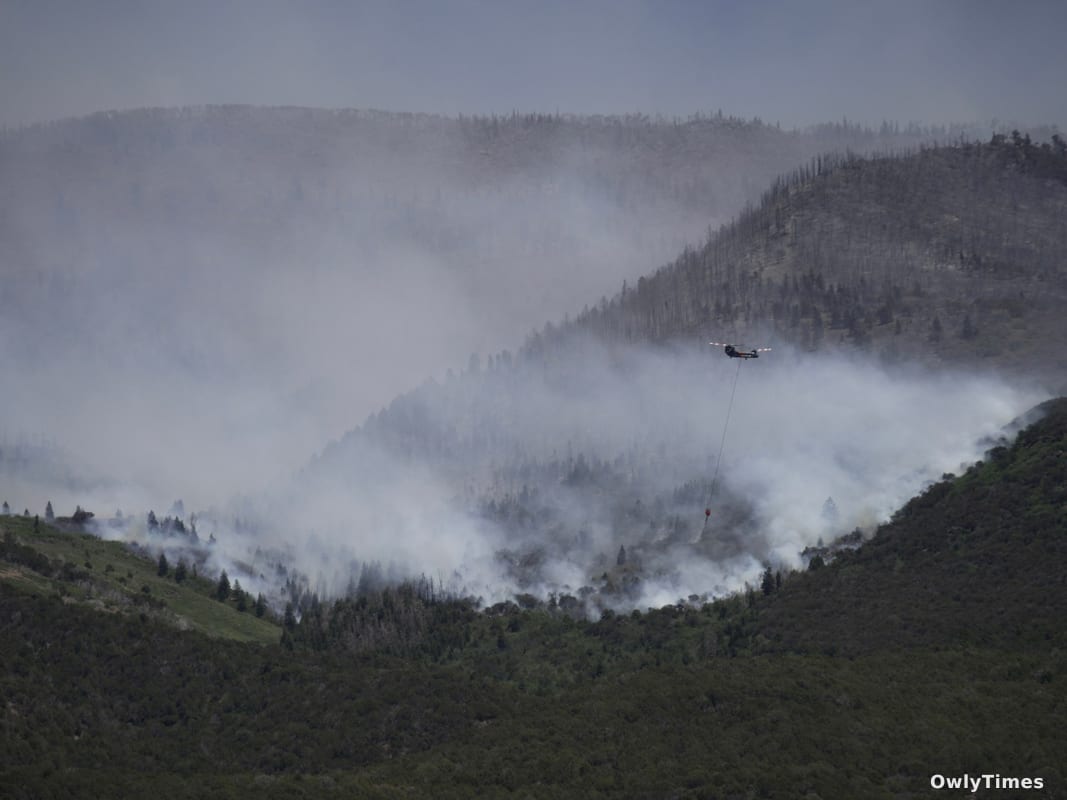
The scale of this disaster is difficult to grasp, but the numbers provide a grim roadmap of the region's volatility. The Knowles and Gore fires have merged with other blazes to form the Snyder Fire; while the BBC reports this combined fire has consumed roughly 28,000 acres, CBS News provides a conversion of 44 square miles. Meanwhile, in Utah, the Cottonwood Fire has ballooned to over 92,000 acres, according to NPR, though CBS News cites a larger figure of 144 square miles. Both outlets agree it is currently the largest active wildfire in the United States.
These fires are being fed by what forecasters call "critical fire weather." Alyssa Mason, a spokesperson for the Cottonwood Fire, told NPR that crews were facing single-digit humidity and wind gusts reaching 45 miles per hour. These conditions are not anomalous; they are the result of a winter that saw the lowest snowpack on record in Utah, leaving the vegetation primed to burn like tinder.
Infrastructure at the Breaking Point
The tech-driven world often views these disasters as remote problems, but the infrastructure impacts are immediate and local. In a rare move, the National Weather Service in Salt Lake City issued a "particularly dangerous situation" red flag warning—the first time that specific designation has been used in its history, per NPR. As the fire risk becomes a permanent fixture of Western life, utilities like Rocky Mountain Power are increasingly resorting to preemptive electrical shutoffs in counties like Beaver to prevent further ignitions, a trend The Guardian notes is becoming common across the American West.
The human cost of this season is already staggering. The National Interagency Fire Center reports that nearly 3 million acres have burned nationwide since the beginning of the year, a pace that has already outstripped the 10-year average. As both Colorado Governor Jared Polis and Utah Governor Spencer Cox declare states of emergency, the reliance on National Guard deployment and temporary fireworks bans highlights a sobering reality: we are moving from a strategy of fire management to one of disaster triage.
The next measurable signal of this crisis will be the damage assessments for the Eagle Point ski resort and surrounding cabins, which have already been impacted by the Cottonwood Fire, according to NPR. Until we address the underlying environmental volatility, expect these "miraculous saves" to become increasingly difficult for crews to pull off.