
The escalating Democratic primary in Illinois isn’t simply about choosing a candidate; it’s a calculated pressure test by the American Israel Public Affairs Committee (AIPAC) to demonstrate its continued influence within a party increasingly fractured by dissent over U.S. policy in Gaza. The strategic calculus is clear: after successfully backing candidates in previous cycles, AIPAC is now attempting to prove it can shape outcomes even in a highly contested field where anti-war sentiment is vocal and organized. This isn’t a spontaneous eruption of pro-Israel advocacy, but a deliberate effort to recalibrate power dynamics within the Democratic Party, leveraging financial resources to offset growing progressive opposition.
The Illinois Primary as a Proxy War
The Illinois race, as of February 27, 2026, is notable for its crowded field, a condition that inherently amplifies the impact of outside spending. While specific candidates remain unnamed in initial reports, the involvement of AIPAC is already generating “anger and frustration,” according to the Associated Press, signaling a deeper ideological clash. This isn’t merely about dollars and cents; it’s about the perception of influence. In the 2024 cycle, AIPAC spent over $20 million supporting candidates, a figure that, while substantial, drew scrutiny for its reliance on “undisclosed campaign cash.” The current Illinois contest offers AIPAC an opportunity to refine its strategy, potentially shifting towards more transparent funding mechanisms while maintaining its core objective: electing candidates supportive of its policy agenda.
Source material: The Washington Post.
Who Benefits and Who Loses in the Shifting Sands
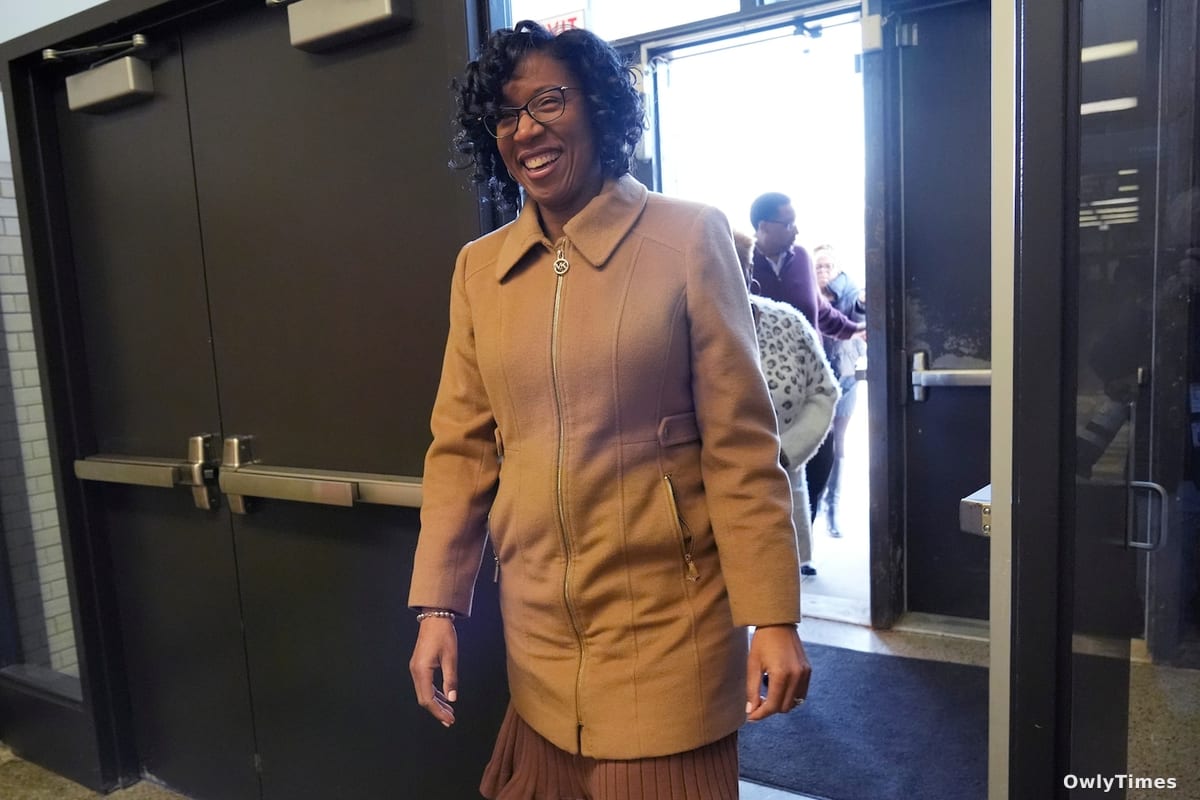
The immediate beneficiaries of AIPAC’s involvement are the candidates who receive its financial backing. However, the long-term implications are far more complex. A successful AIPAC intervention in Illinois would reinforce the narrative that substantial financial resources can overcome grassroots opposition, potentially emboldening similar efforts in future elections. Conversely, a failure – defined as AIPAC-backed candidates underperforming despite significant spending – would signal a weakening of the organization’s influence and a growing disconnect between its priorities and the Democratic electorate. The losers, beyond potentially progressive candidates, include the principle of campaign finance transparency and the broader Democratic effort to appeal to younger, more progressive voters who are increasingly critical of U.S. foreign policy. Chicago Treasurer Melissa Conyears-Ervin, pictured voting in March 2024, represents a demographic within the party that AIPAC’s actions risk alienating.
Historical Echoes of Foreign Policy Influence
The current situation echoes historical instances where foreign policy concerns have become flashpoints within American political parties. The Vietnam War, for example, deeply divided the Democratic Party in the late 1960s and early 1970s, leading to a period of internal turmoil and ultimately contributing to the party’s electoral setbacks. Similarly, the Iraq War sparked significant opposition within the Democratic Party in the early 2000s, fueling the rise of anti-war candidates and challenging the party’s traditional foreign policy consensus. The key difference today is the role of organized lobbying groups like AIPAC, which possess the financial capacity to directly influence electoral outcomes in a way that was less common in previous eras. This raises questions about the extent to which U.S. foreign policy is being shaped by the interests of a powerful advocacy organization rather than by broader public opinion.
The Next Chess Move: Super PAC Transparency
The immediate political chess move to watch isn’t which candidate wins in Illinois, but whether the controversy surrounding AIPAC’s spending will trigger renewed calls for stricter campaign finance regulations. Pressure is mounting for greater transparency regarding the sources of funding for Super PACs and other independent expenditure groups. A bipartisan coalition could emerge, driven by concerns about foreign influence and the erosion of public trust in the electoral process. Specifically, the focus will be on legislation requiring Super PACs to disclose their donors within 48 hours, a measure that would significantly limit the ability of wealthy individuals and organizations to anonymously influence elections. If such legislation gains traction, it would represent a significant setback for AIPAC and a victory for those seeking to level the playing field in American politics. The question is whether moderate Democrats, wary of alienating pro-Israel voters, will join forces with progressives to push for these reforms.





