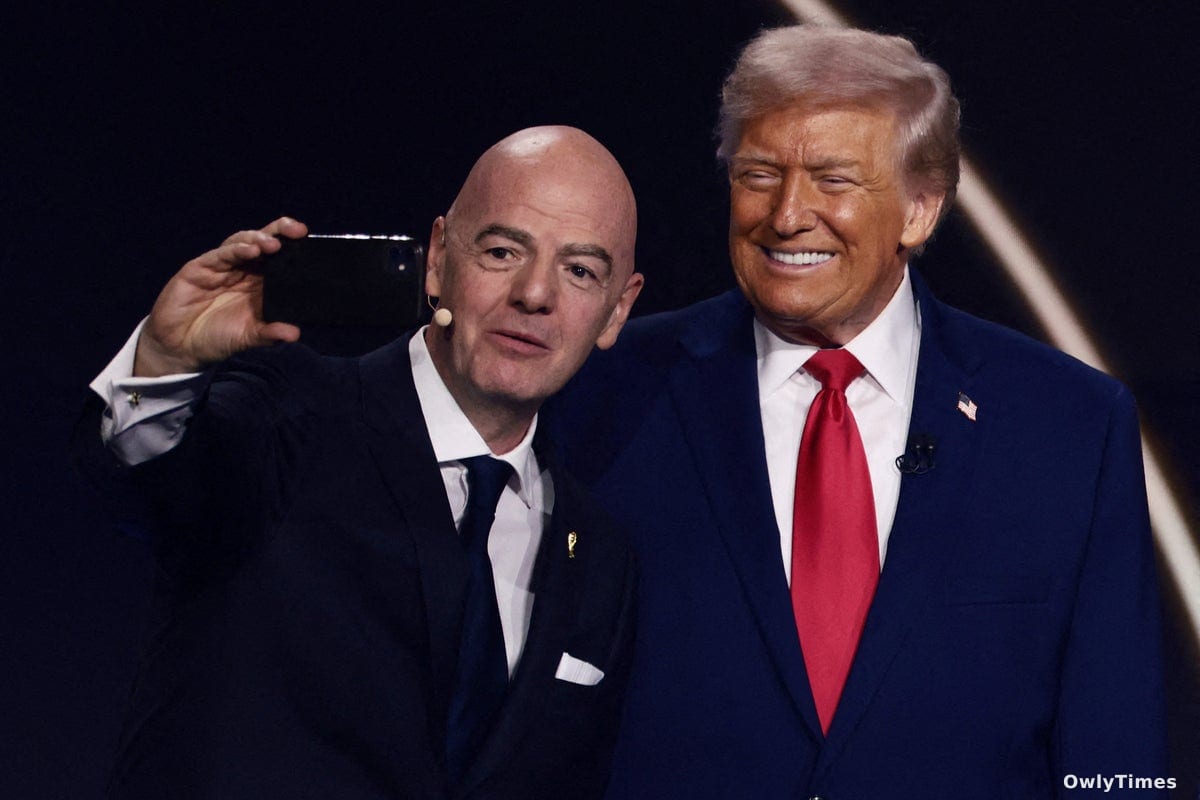

The strategic calculus behind the intervention of Donald Trump in the Folarin Balogun disciplinary case reveals a clear prioritization of political optics over institutional governance. By leveraging his influence to ensure the participation of a marquee player in a home-soil World Cup, the former president sought to align his political brand with the success of the United States men’s national team. For Gianni Infantino, the FIFA president, the move serves as a high-stakes gamble: by facilitating a direct line of communication with a head of state, he risks the structural integrity of his own disciplinary committees to appease a powerful co-host, yet he maintains a vital political alliance that could insulate FIFA from future regulatory scrutiny.
The Mechanism of Influence
The controversy centers on the unprecedented reversal of a one-match ban initially issued to Balogun following a red card against Bosnia and Herzegovina. According to The Independent, the suspension of the ban was executed by Mohammad Al Kamali, the disciplinary committee chair, acting as a sole arbiter—a departure from standard procedure that has left observers questioning the autonomy of FIFA’s internal processes. Both The Independent and The Guardian highlight that this unique decision-making structure lacks any public explanation from FIFA, despite the gravity of the intervention.
Winners and Losers in the Political Arena
The primary beneficiary of this move was the U.S. squad, which regained its striker for the Round of 16, though the cost of this intervention manifested as a significant psychological burden. As CBS Sports reports, Balogun admitted that the ensuing "outside noise" created palpable tension and nerves within the team before their 4-1 loss to Belgium. While the U.S. gained a tactical advantage, they lost the stability of their preparation. Conversely, the integrity of FIFA’s regulatory framework has emerged as a clear loser, with the human rights organization FairSquare filing a formal complaint with the International Olympic Committee (IOC) alleging five clear breaches of the Olympic Charter’s political neutrality rules, as noted by The Guardian.
Precedent and Institutional Pressure
This incident echoes the delicate power dynamics seen during the COVID-19 pandemic, where sports governing bodies were frequently forced to navigate the competing demands of public health, government mandates, and commercial interests. The pressure on Infantino is now mounting from multiple institutional fronts. Beyond the FairSquare filing, the Norwegian football federation has formally requested that the FIFA ethics committee review the matter, and as The Independent reports, fifty members of the European Parliament issued a joint letter on June 29 demanding an inquiry. These actions suggest that international stakeholders are increasingly wary of the precedent set by Trump’s intervention, fearing it signals a shift toward arbitrary enforcement in international football.
The Chess Move to Watch
The immediate signal to track is the response of the FIFA ethics committee, which has previously acknowledged receiving complaints regarding this affair but has yet to initiate a formal proceeding. With the contract of USMNT head coach Mauricio Pochettino now expired, as reported by CBS Sports, the U.S. Soccer Federation’s decision on his future will serve as the next litmus test for the program’s stability in the wake of this tournament’s political turbulence. Whether FIFA moves to address the FairSquare complaint or continues its silence will determine if the organization can reclaim its appearance of independence or if it will remain tethered to the political whims of its hosts.