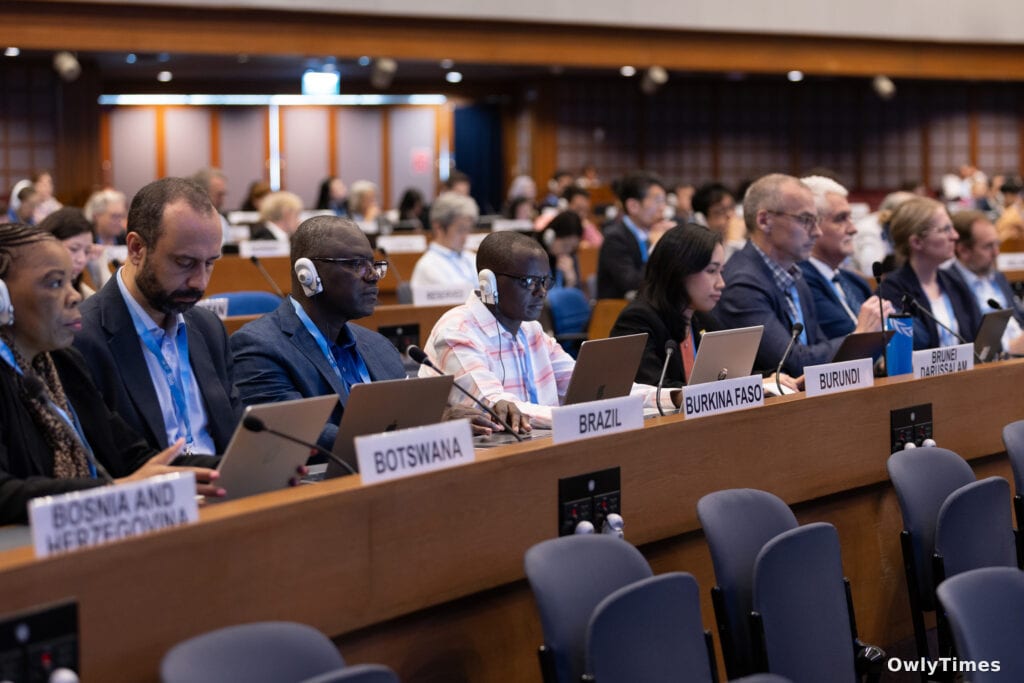

The accelerating pace of climate change is creating a cruel irony: just as the need for clear, internationally-vetted climate science is reaching a fever pitch, the organization tasked with providing it – the Intergovernmental Panel on Climate Change (IPCC) – is facing unprecedented procedural delays and financial uncertainty. The recent plenary meeting in Bangkok concluded last week without a firm timeline for completing the IPCC’s Seventh Assessment Report, a cycle that formally began nearly two years ago. This isn’t simply a matter of bureaucratic sluggishness; it reflects a deeper fracturing of international consensus on climate action, and raises critical questions about the future of global climate policy guidance. While headlines focus on potential delays, the more significant concern is the erosion of the shared scientific foundation upon which climate action is built, particularly for nations lacking extensive independent research capabilities.
The IPCC, established in 1988, has historically operated on five- to seven-year assessment cycles, producing comprehensive reports that serve as the bedrock for governmental climate planning. Its reports aren’t predictions, but rather syntheses of the best available science, rigorously reviewed by scientists and government representatives worldwide. The current disruption isn’t about a disagreement on whether climate change is happening, but how the IPCC will function amidst growing geopolitical tensions and shifting national priorities. This is particularly alarming given recent projections from climate scientist James Hansen, who suggests we could surpass the critical 1.5 degree Celsius warming threshold – identified in the IPCC’s 2018 report as a point of potentially irreversible consequences – by 2027, reaching 1.7 degrees Celsius (3.06 degrees Fahrenheit) above pre-industrial levels. To put that into perspective, the Paris Agreement hinges on limiting warming to well below 2 degrees Celsius, with 1.5 degrees as the aspirational goal; exceeding 1.5 degrees significantly increases the risk of catastrophic events like widespread sea-level rise and the collapse of vital ocean currents.
The challenges facing the IPCC are multifaceted, extending beyond the stalled timeline for the Seventh Assessment Report. Jim Skea, the current IPCC chair, acknowledged that the past two years have been the most difficult in the panel’s 15-year history. While he maintains that the core scientific work continues, the uncertainty surrounding report deadlines complicates planning for the hundreds of volunteer researchers contributing their expertise. The panel operates on an annual budget of approximately $9 million, funded by voluntary government contributions. However, this funding has decreased by roughly 30 percent in recent years, largely due to the withdrawal of U.S. funding and inconsistent support from other nations. While the shortfall – around $2 million – could be covered by a handful of wealthy countries, the reliance on drawing down reserves is unsustainable in the long term. Skea frames this as a paradox, noting that the IPCC’s own reports demonstrate the existence of sufficient global financial resources to address climate change; the issue, as he points out, is directing those resources effectively.
However, framing the issue solely as a financial one overlooks a more fundamental shift. Mike Hulme, a professor of human geography at the University of Cambridge, argues that the funding gap is symptomatic of a “fraying of the tacit assumptions that held the IPCC together.” He suggests we may be witnessing a fragmentation of global climate agreements, with countries increasingly resorting to non-binding side deals and initiatives outside the UN framework. This trend, observed by independent observers from the Earth Negotiations Bulletin, points to a potential erosion of the hard-won international consensus that has defined the IPCC’s success. The Bulletin’s reporting highlighted “persistent divergence of views” and “contentious discussions” during the Bangkok meeting, with some delegates expressing concern about the panel’s ability to deliver on its work program. Jessica Templeton, who leads the IISD’s Earth Negotiations Bulletin team, described the lack of agreement on a timeline as “unprecedented” and emphasized the critical role IPCC reports play in providing trusted scientific input to policymakers worldwide.
Source material: insideclimatenews.org.
The real-world consequences of these delays and uncertainties are significant. As climate impacts intensify – displacing populations, disrupting food supplies, and straining infrastructure – the need for robust, scientifically-grounded guidance is more urgent than ever. Carl-Friedrich Schleussner, a climate researcher at the International Institute for Applied Systems Analysis, emphasizes that many nations, particularly in the Global South, rely heavily on IPCC assessments to inform their climate policies. The expanding scope of climate impacts also demands increasingly complex and resource-intensive reports, further straining the IPCC’s capacity. Despite these challenges, there is a sense of cautious optimism. Templeton noted the dedication of individuals working collaboratively despite difficult geopolitical circumstances, suggesting a continued commitment to delivering valuable reports.
Looking ahead, the October meeting will be crucial. But beyond securing a timeline and addressing funding concerns, the IPCC must grapple with the underlying forces driving the current instability. The question isn’t simply if the IPCC can complete its reports, but whether it can maintain its role as a neutral, authoritative source of climate science in a world increasingly defined by political polarization and competing national interests. We should be watching closely to see if the IPCC can adapt its processes to foster greater inclusivity and responsiveness to the needs of all member states, and whether the international community will reaffirm its commitment to funding and supporting this vital institution. The next few months will reveal whether the current turbulence is a temporary setback or a harbinger of a more fundamental shift in the landscape of global climate science and policy.





