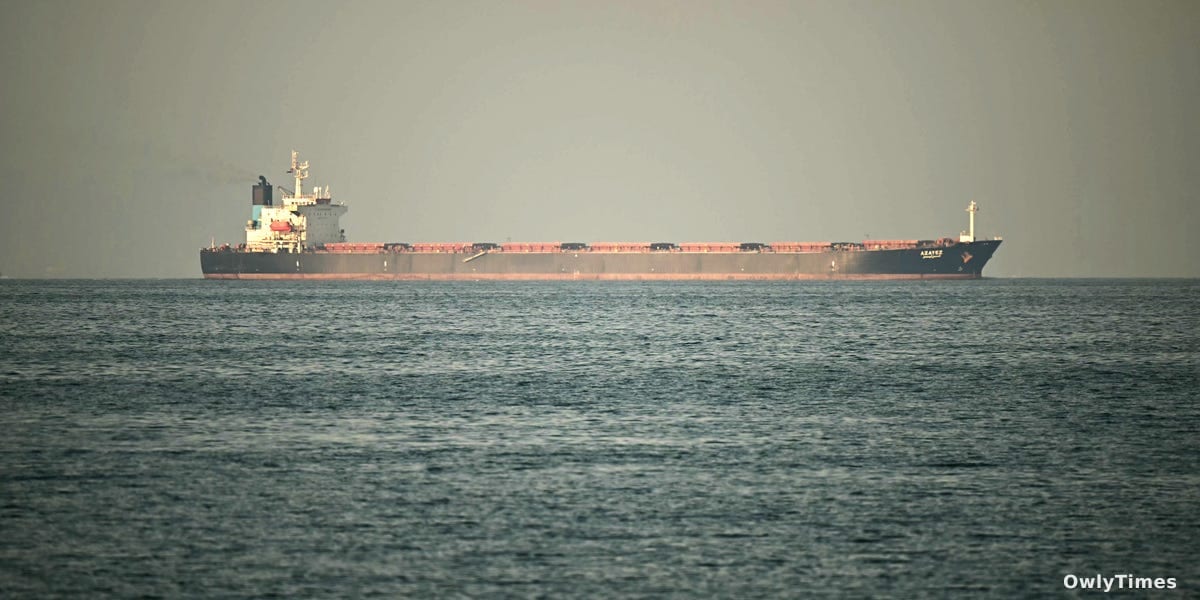

$37 billion is the potential daily value at risk, representing the 13 million barrels of crude oil traversing the Strait of Hormuz each day – roughly 20-30% of global supply. The recent US and Israeli attacks on Iran aren’t simply a geopolitical event; they are a direct threat to this critical artery of the global economy, and markets are already pricing in the potential for significant disruption. While the immediate impact remains uncertain, the speed and magnitude of the potential price shock are what distinguish this situation from previous flare-ups in the region. Follow the money: the escalating tensions aren’t about political posturing, they’re about controlling the flow of a commodity that underpins trillions of dollars in economic activity.
The Hormuz Chokepoint and the Price of Disruption
The immediate concern centers on the Strait of Hormuz. Reports indicating Iran is preparing to close the waterway are not idle threats. A prolonged closure would effectively throttle a substantial portion of global energy supply, triggering a cascade of economic consequences. Barclays analysts estimate Brent crude could surge to $100 per barrel on Monday, a 37% increase from Friday’s closing price of $67.02. This isn’t speculative forecasting; it’s a calculation based on the demonstrable vulnerability of the global oil market to supply-side shocks. To put this in perspective, the last time Brent consistently traded above $100 was in 2022, coinciding with the initial stages of the Russia-Ukraine war – a period marked by widespread economic instability.
Reporting from Business Insider informs this analysis.
Inflationary Pressures and Economic Headwinds
The implications extend far beyond the energy sector. A rapid increase in oil prices will inevitably fuel inflation, reversing the progress made by central banks in taming price increases over the past year. Deutsche Bank warned even before the weekend attacks that an oil shock represents a key risk to their 2026 economic outlook, predicting a “material impact on inflation expectations and inflation risks.” This is not merely a theoretical concern. Higher energy costs translate directly into increased transportation expenses, manufacturing costs, and ultimately, consumer prices. Goldman Sachs analysts previously projected a serious conflict with Iran could trigger a recession, with the risk climbing “sharply” – a forecast that now appears increasingly prescient. The firm’s worst-case scenario, following strikes on Iranian nuclear facilities last year, envisioned Brent peaking at $110 per barrel with a sustained Hormuz closure.
Sectoral Shifts: Winners and Losers
The market response is already revealing a clear pattern of sectoral rotation. Defense and energy stocks are poised to benefit from the heightened geopolitical risk. The iShares US Aerospace & Defense ETF is up 14% year-to-date, bolstered by the attack on Venezuela and escalating tensions with Iran. Similarly, the iShares S&P Global Energy ETF has risen 24% this year, anticipating disruptions to global supplies. This isn’t simply speculative trading; it’s a rational response to a changing risk landscape. Investors are shifting capital towards sectors perceived as resilient – or even beneficiaries – of increased instability. However, Barclays cautions against a knee-jerk “buy the dip” strategy, warning that the conflict could be more protracted and damaging than previously anticipated. They advise waiting for a more substantial market correction – potentially a 10% drop in the S&P 500 – before re-entering equity positions.
The Flight to Safety and Market Volatility
Beyond equities, the attacks are driving a classic “flight to safety.” Gold, already on a bullish trajectory, is likely to experience further gains as investors seek a hedge against geopolitical uncertainty. The precious metal has already surpassed $5,000 an ounce, and further escalation could push prices even higher. Simultaneously, demand for US Treasurys is increasing, driving down yields. This dynamic reflects a broader market sentiment: a preference for lower-risk assets in times of heightened volatility. Market veteran Ed Yardeni suggests any initial rally in the energy sector may be short-lived, and a broader market sell-off could quickly reverse course. However, his caveat – that geopolitical events are often “flash-in-the-pan” for equities – highlights the inherent unpredictability of the situation.
What this means for your wallet: prepare for higher prices at the pump and increased inflationary pressure across the board. The immediate impact will be felt in energy costs, but the ripple effects will extend to nearly every sector of the economy. The key question now isn’t if oil prices will rise, but how long they will remain elevated. Monitor the situation in the Strait of Hormuz closely – any indication of a prolonged closure will signal a more sustained period of economic disruption.