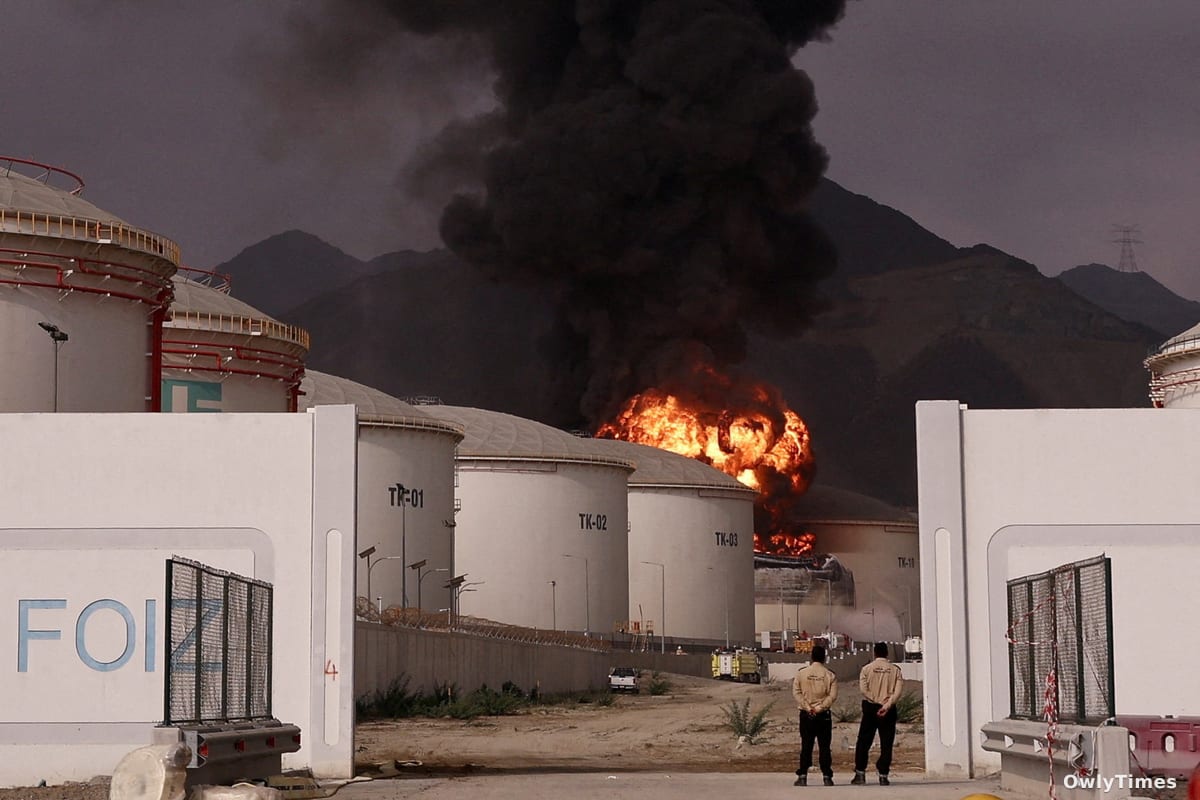

Is the current escalation in the Middle East truly about Israel, or is that just what Washington wants to believe? The real story here isn't a localized conflict – it’s the decades-long reckoning with Iran that Gulf states have been bracing for, and the surprisingly consistent message they’re sending to a US political system increasingly consumed by its own internal battles. While American debate fixates on Donald Trump and domestic political fallout, leaders in Dubai, Abu Dhabi, and Riyadh are focused on a far more fundamental shift in regional power, one that could either usher in an era of unprecedented stability or plunge the Middle East back into chaos.
For Gulf officials, this wasn’t a question of if conflict with Iran would erupt, but when. As one senior official confided, his country has long viewed Iran, not Israel, as the primary threat – a reality starkly confirmed by recent missile and drone attacks. This isn’t about supporting or opposing any particular Israeli policy; it’s about self-preservation in the face of a regime that, for nearly half a century, has pursued power through proxies, missiles, and intimidation. The frustration, as repeatedly voiced in conversations with these officials, stems from a perceived US underestimation of this threat, a tendency to prioritize nuclear containment over addressing the immediate dangers posed by Iran’s ballistic arsenal and network of regional proxies.
The narrative coming from the Gulf isn’t one of sudden shock, but of a shadow war finally breaking into the open. Years of proxy conflicts, cyberattacks targeting energy infrastructure, and sustained campaigns to undermine regional security have been, in their view, a deliberate strategy by Iran to test the limits of its neighbors’ defenses. The flourishing modernization and relative tolerance seen in cities like Dubai and Riyadh stand in direct contrast to the theocratic rigidity of Iran, making the stakes of this conflict about more than just geopolitics – it’s about competing visions for the future of the region. Even those Gulf officials who initially hesitated to align fully with Trump’s policies now agree that a decisive response was inevitable, fearing the irreversible tilting of the regional balance of power.
Reporting from atlanticcouncil.org informs this analysis.
It’s crucial to understand that Gulf states aren’t necessarily clamoring for regime change in Iran. They recognize the unpredictable consequences of such an outcome. Instead, their bottom line, as articulated by a senior official, is simple: “If Iran is incapable of inflicting harm and exporting instability to its neighbors, that will be a good thing.” This isn’t about dismantling the Iranian government, but about neutering its capacity for aggression. The focus is on eroding the regime’s destructive capabilities, particularly now that it’s likely to be operating from a position of heightened vulnerability and vengefulness.
However, the most unsettling aspect of this crisis isn’t the military calculations, but the cynical assessment within the Iranian regime itself. They believe, with historical precedent from the 1979 hostage crisis, that escalating conflict can be weaponized for domestic political gain in the US. As Alex Plitsas of the Atlantic Council pointed out, Iranian leaders likely see a drawn-out conflict and rising gas prices as a means of inflicting political pain on Trump, potentially costing his party control of Congress. This isn’t just a war for regional dominance; it’s a calculated attempt to influence American elections, a chilling demonstration of how deeply intertwined the Middle East has become with US domestic politics.
The White House, according to reports, estimates that Iran has been responsible for the deaths of hundreds of Americans since 1979. This isn’t ancient history; it’s a decades-long pattern of aggression that’s now reaching a critical juncture. The next few weeks will be pivotal, as the US continues to target Iranian military infrastructure. Frederick Kempe highlights the assessment of former Pentagon official Plitsas, who believes the US military is on track to “destroy or severely degrade Iran’s missiles, drones, the associated industrial base, navy, and nuclear program,” but warns that prematurely ending the operation due to economic pressure – particularly regarding the Strait of Hormuz – would be a strategic failure.
The long-term vision, as discussed within the Trump administration, is even more ambitious: a fully normalized Middle East, where not only Israel and moderate Arab states coexist peacefully, but where a reformed Iran eventually joins them. It sounds fantastical now, but the current conflict presents a genuine, if improbable, opportunity to reshape the region. The question isn’t simply whether the US can achieve its immediate military objectives, but whether it can capitalize on this inflection point to create a lasting foundation for regional security and prosperity.
Watch closely for this: in the next six months, will the US prioritize securing the Strait of Hormuz, even at the cost of short-term economic disruption, or will it succumb to pressure and risk handing Iran a strategic victory? The answer to that question will determine not just the fate of the Middle East, but the credibility of American foreign policy for years to come.





