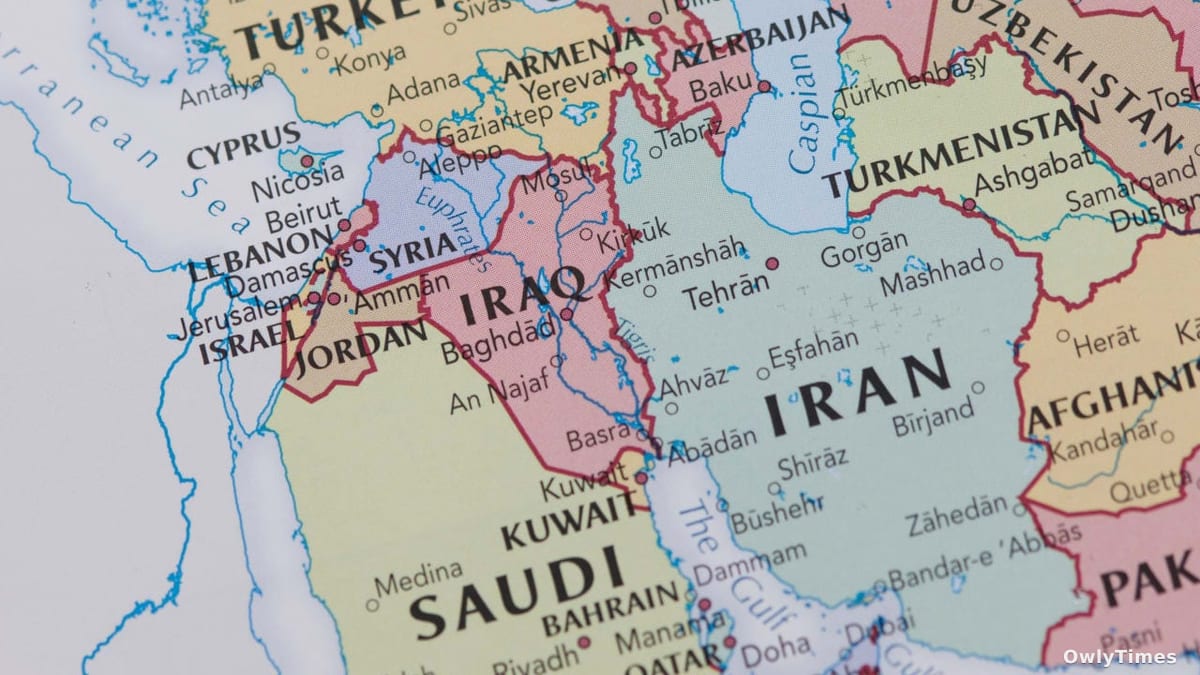

$2.3 Billion in Flight Cancellations – that’s the estimated economic impact of Iran’s recent attacks on Gulf states, according to preliminary data from the International Air Transport Association, and it’s a figure that underscores a critical shift in regional power dynamics. While headlines focus on escalating military conflict, the financial fallout reveals a calculated strategy by Tehran: not simply to strike at US and Israeli interests, but to economically pressure Gulf nations hosting American forces. This isn’t a new playbook; a direct historical parallel exists in Iraq’s 1991 offensive into Kuwait and Saudi Arabia, a move designed to demonstrate resilience under fire and raise the stakes for intervention. But the economic weaponization of conflict is the key difference, and it’s a tactic that’s already reshaping alliances and investment priorities.
The echoes of the 1991 Gulf War are striking. On January 29, 1991, Saddam Hussein’s Iraqi divisions launched an assault on Khafji, Saudi Arabia, even as the US-led Coalition prepared to liberate Kuwait. That offensive, involving approximately 60,000 Iraqi soldiers, was an attempt to project strength amidst overwhelming air superiority. Today, Iran is employing a similar strategy – demonstrating its ability to strike across the region, despite ongoing strikes against its own infrastructure. However, unlike Iraq’s conventional military approach, Iran is leveraging asymmetric warfare, specifically drone and missile attacks targeting civilian infrastructure like airports, hotels, and even residential buildings. This deliberate targeting, despite claims of focusing solely on US forces, is designed to inflict economic pain and sow instability.
Follow the money, and the picture becomes clearer. The disruption to air travel alone – with flights canceled in the UAE, Bahrain, and now Oman – is costing the region billions. Beyond immediate cancellations, the long-term impact on tourism and business confidence is substantial. The UAE, heavily reliant on its role as a global transit hub and a destination for international investment, is particularly vulnerable. Damage to landmarks like Dubai’s Burj Al Arab and the Palm Jumeirah Island, reported by Arab News, isn’t just symbolic; it directly impacts the country’s brand and its ability to attract high-value tourism. This economic pressure is precisely what Dr. Anwar Gargash, advisor to the UAE president, identified in his recent social media posts, accusing Iran of “misdirecting its target and isolating Iran at its critical moment.”
The attacks are, paradoxically, accelerating a trend already underway: deeper security cooperation between Gulf states and both the US and Israel. The 1990-91 Gulf War forged closer ties between the US and nations like Saudi Arabia, Qatar, and the UAE. Today, Iran’s aggression is reinforcing those bonds and adding a new layer – collaboration with Israel. The UAE and Bahrain’s normalized ties with Israel are now proving strategically valuable, allowing them to leverage Israeli expertise in air defense systems, like the Arrow missile defense system, originally developed in response to the Scud missile threat posed by Iraq in 1991. This isn’t simply about shared security concerns; it’s about diversifying security partnerships and reducing reliance on any single external power.
Based on the original jpost.com report.
Iran’s history of destabilizing actions in the Gulf – from the 1983 Kuwait embassy bombings to the 2019 mining of tankers off the UAE coast and the ongoing support for proxies like the Houthis in Yemen – demonstrates a consistent pattern of behavior. However, the current escalation represents a significant intensification of this strategy. The economic impact, quantified by the $2.3 billion in flight cancellations and projected declines in tourism revenue, is a direct attempt to raise the “price” for Gulf states hosting US forces, as Iranian officials have explicitly stated.
What this means for your wallet: expect increased travel costs and potential disruptions to global supply chains. The instability in the Gulf region will likely drive up insurance premiums for shipping and air travel, and could lead to higher energy prices if the conflict escalates further. Investors should closely monitor the geopolitical risk in the region and consider diversifying their portfolios to mitigate potential losses. The key question now is whether Iran will continue to escalate its economic warfare, and whether the Gulf states will respond with further security cooperation and potentially, direct economic countermeasures. Will we see a sustained increase in defense spending across the region, and a further realignment of economic partnerships? That’s the scenario to watch for in the coming months.