
The High Stakes Gamble of a New Gulf Order
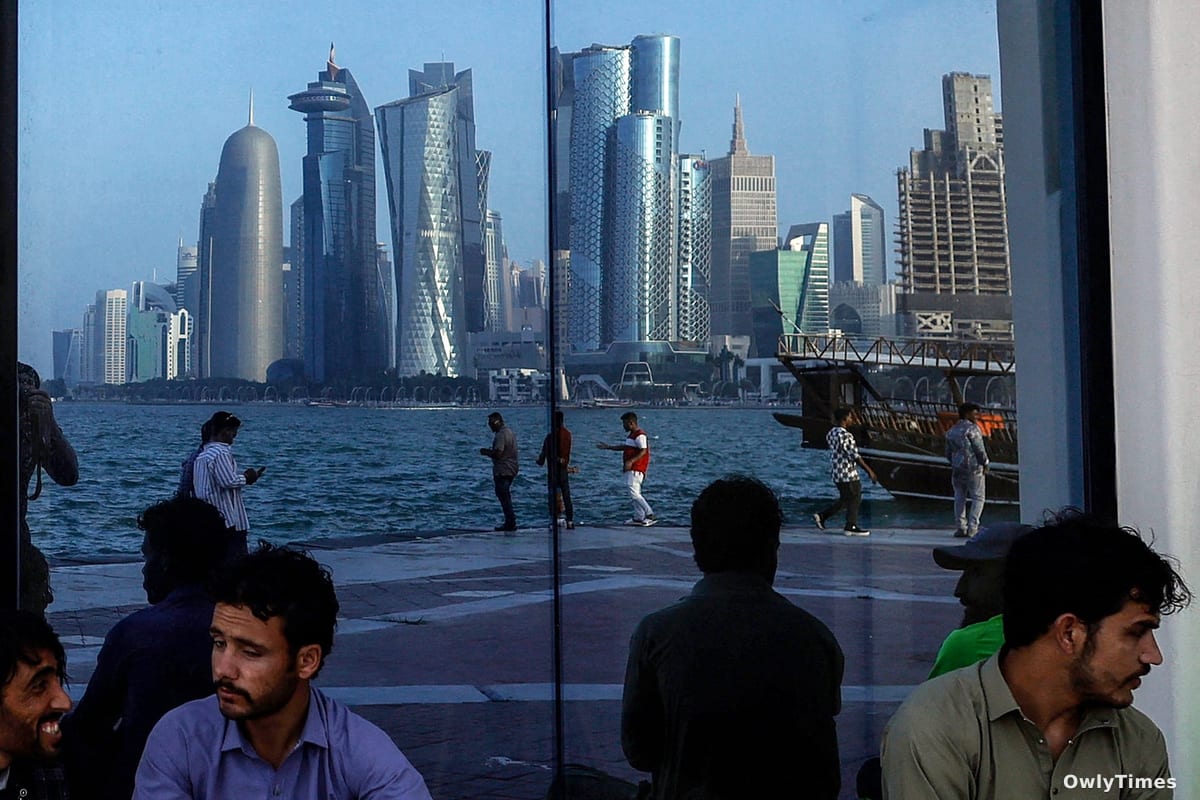
The scent of oud and ambition hangs heavy in the air of Dubai, a city built on audacious dreams and fueled by petrodollars. But beneath the gleaming skyscrapers and luxury resorts, a tremor of anxiety is growing. It’s not about oil prices, or even the latest tech innovation – it’s about a war unfolding on their doorstep, a war they didn’t ask for, but one that threatens to unravel the very future they’ve so carefully constructed. The recent escalation with Iran isn’t just a geopolitical crisis; it’s an existential threat to the Gulf states’ ambitious vision of a post-hydrocarbon future, a future they’ve poured hundreds of billions of dollars into realizing.
Drawn from cfr.org.
For decades, the Gulf Cooperation Council (GCC) – particularly Qatar, Saudi Arabia, and the UAE – has been engaged in a radical economic transformation. They’ve moved beyond simply extracting oil and gas, aggressively courting foreign investment, building world-class infrastructure, and positioning themselves as global hubs for logistics, tourism, and increasingly, artificial intelligence. The Emiratis are leading the charge, but even the Saudis, under Crown Prince Mohammed bin Salman, are pushing for diversification, betting that initiatives like NEOM will redefine their economy. This isn’t just about economic resilience; it’s about building societies attractive enough to retain and attract a global workforce – a workforce that won’t choose to live under the shadow of potential missile strikes. In 2023, foreign direct investment in the UAE reached a record $23 billion, a testament to its perceived stability, but that number is acutely vulnerable to regional instability.
This delicate balancing act is what puts the Gulf states in such a precarious bind. They desperately want the United States to “finish the job” against Iran, to neutralize the threat to shipping lanes and regional stability. Yet, direct involvement in a wider conflict carries immense risks. While both Saudi Arabia and the UAE possess advanced militaries – the Emiratis boast highly skilled air crews honed in conflicts in Afghanistan and against ISIS – joining Israel and the US in a full-scale war invites retaliation, potentially crippling their infrastructure and derailing their economic plans. For Crown Prince Mohammed bin Salman, openly fighting alongside Israel presents a particularly thorny political challenge, given the deep-seated sensitivities surrounding the Palestinian issue within the Kingdom.
The current strategy – allowing the US and Israel to degrade Iran’s capabilities while reserving the right to respond to direct provocations – is a calculated gamble. It’s a way to signal resolve without fully committing to a conflict that could shatter the fragile peace and prosperity they’ve worked so hard to achieve. But this approach isn’t without its costs. Even if the current conflict doesn’t escalate into a full-blown regional war, the GCC states are bracing for a prolonged period of heightened tension. Billions will be diverted from economic diversification into bolstering air defenses and security measures, slowing down the ambitious projects that are meant to define their future. The brief thaw in relations with Iran, brokered by China last year, is effectively over, replaced by a renewed sense of distrust and hostility.
Beyond the headlines of drone strikes and diplomatic maneuvering, this crisis reveals a fundamental tension: the Gulf states’ desire for regional dominance clashing with their need for stability. They’ve spent the last decade building a new model of development, one based on openness, innovation, and integration. But that model is predicated on a secure environment, an environment that Iran, with its destabilizing actions, directly threatens. The question now isn’t just whether the US and Israel can contain Iran’s military capabilities, but whether the Gulf states can navigate this turbulent period and safeguard the future they’ve so boldly envisioned. Will they be able to continue their economic transformation amidst a radically destabilized region, or will the pursuit of security ultimately eclipse their ambitions for a new Gulf order?




