
The Strategic Calculus of Energy Security: Meloni’s Gulf Gambit
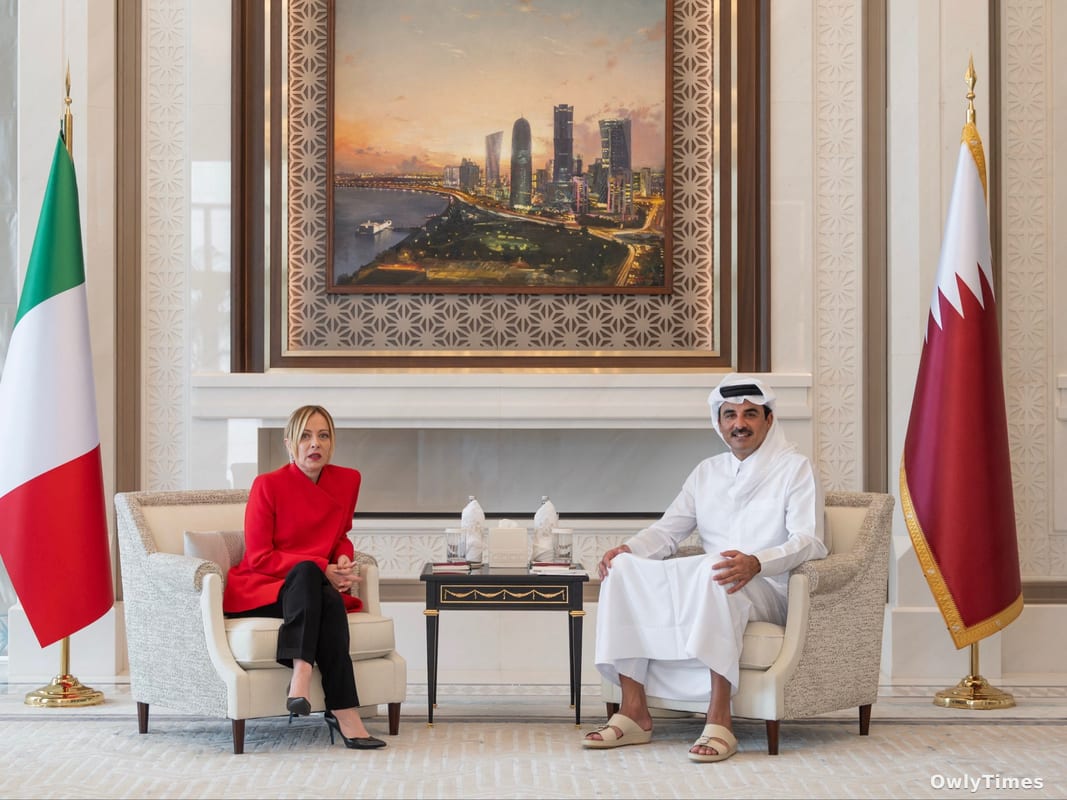
Giorgia Meloni’s rapid tour of the Gulf states – Saudi Arabia, Qatar, and the United Arab Emirates – isn’t simply a show of solidarity with regional partners; it’s a calculated maneuver to preemptively secure Italy’s energy supply in a rapidly destabilizing Middle East. The fact that she is the first leader from an EU or NATO country to undertake such a trip since the escalation of conflict with Iran underscores the severity of the situation and Italy’s vulnerability. While official statements emphasize de-escalation and diplomatic solutions, the underlying strategic imperative is clear: guarantee the flow of oil and gas, even as the Strait of Hormuz becomes an increasingly contested chokepoint.
Original reporting: Al Jazeera.
Italy’s dependence on foreign energy sources is well-documented. Approximately 90% of Italy’s natural gas is imported, with a significant portion transiting through the very region now embroiled in escalating tensions. The potential disruption of this supply – estimated at 20% of global oil and liquified natural gas passing through the Strait of Hormuz – is not merely an economic concern, but a direct threat to Italian industrial output and domestic stability. Meloni’s offer to “contribute to the rehabilitation of Qatari energy infrastructure” following Iranian attacks on facilities like Ras Laffan Industrial City isn’t altruistic; it’s a direct investment in safeguarding a critical supply line. Doha’s acknowledgement that the attacks will affect its natural gas export capacity adds urgency to the situation.
Historical Echoes of Energy Politics
This situation bears a striking resemblance to the energy crises of the 1970s, triggered by the Arab oil embargo. Then, as now, geopolitical conflict directly translated into economic hardship for European nations heavily reliant on Middle Eastern oil. The response then – diversification of energy sources and strategic alliances – is precisely the path Meloni is attempting to reinforce. However, the current context is more complex. The involvement of multiple actors – the United States, Israel, Iran, and various Gulf states – creates a web of competing interests that makes a simple diplomatic solution far less likely. The stated emphasis on “political dialogue and diplomacy” from both the Italian and Qatari sides feels less like a genuine expectation and more like a necessary rhetorical gesture.
Who Benefits and Who Loses in the New Alignment?
The immediate beneficiaries of Meloni’s trip are the Gulf states themselves. Italy’s explicit condemnation of Iranian attacks and pledge of support bolsters their regional security posture. Furthermore, the promise of Italian investment in Qatari infrastructure signals a deepening economic partnership. Italy, of course, hopes to benefit from continued energy supplies and potentially favorable pricing. However, the potential losers are numerous. Iran, already facing international pressure, sees its regional influence challenged. European solidarity, while rhetorically present, is demonstrably fractured – Meloni’s solo trip highlights the lack of a unified EU energy policy. And, domestically, Italian consumers face the very real prospect of continued high energy prices, regardless of diplomatic successes.
The Shadow of US-Iran Conflict
The framing of the conflict as a “United States and Israeli war on Iran” – as presented in the initial reporting – is a crucial detail. It reveals a perspective that acknowledges the agency of Iran in responding to perceived threats, rather than portraying it solely as an aggressor. This nuance is important because it suggests that a purely defensive posture from the West is unlikely to de-escalate the situation. The attacks on Qatar, a key US ally, demonstrate Iran’s willingness to escalate even against partners of Washington. This complicates the calculus for Meloni, who must balance Italy’s alliance commitments with its economic imperatives. The Italian government source’s statement to AFP – that the trip aims to “strengthen relations…and repeat Italy’s support against Iranian attacks” – reveals the prioritization of security alignment over independent mediation.
The next political chess move to watch is the outcome of Meloni’s meetings in the United Arab Emirates. Will she secure similar commitments to safeguard energy supplies? More importantly, will she leverage her position to initiate a backchannel dialogue with Iranian representatives, or will Italy remain firmly aligned with the US-Israeli position? The answer will reveal whether Meloni’s Gulf tour was a genuine attempt at regional stabilization, or simply a pragmatic effort to protect Italy’s energy lifeline in a world on the brink.