
The Calculus of Escalation: Iran’s Rejection of Ceasefire Hinges on Shifting Regional Control
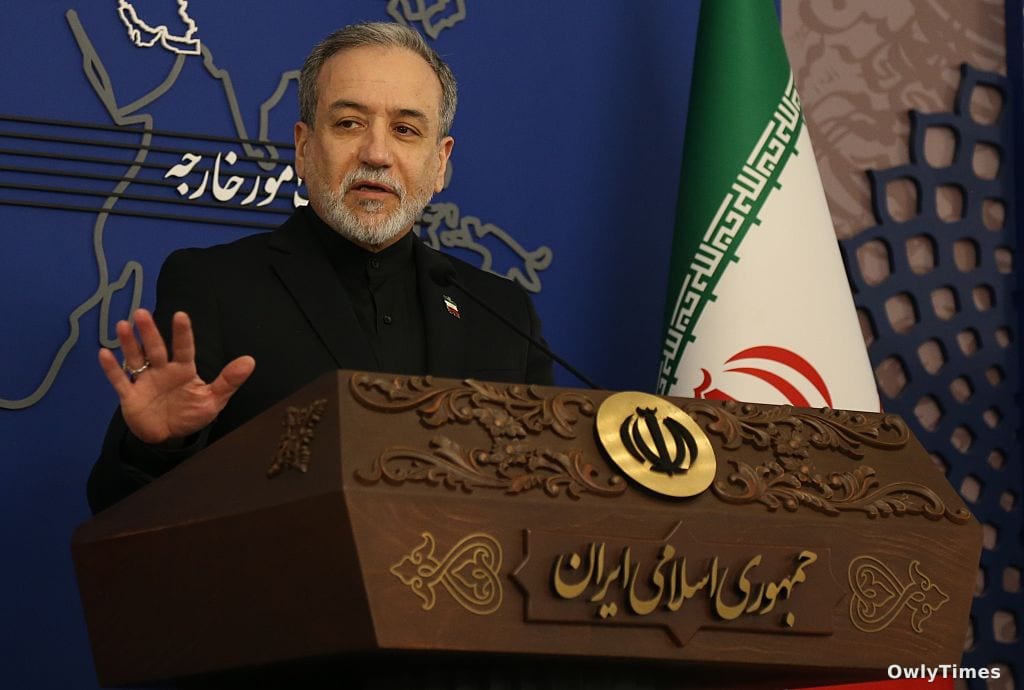
The current impasse in ceasefire negotiations isn’t simply a refusal to de-escalate; it’s a calculated assertion of leverage by Iran, predicated on a belief that the existing conflict presents an opportunity to reshape the regional security architecture. Abbas Araghchi’s emphatic declaration that the “United States started it and is responsible” isn’t merely rhetoric – it’s a framing designed to position Iran as a reactive force, absolving it of initiating hostilities while simultaneously demanding accountability for what it portrays as American aggression. This strategy isn’t about winning a conventional war, but about forcing a renegotiation of power dynamics in the Middle East, and the recent, highly visible targeting of senior Iranian officials is central to that calculation.
The swift and brutal elimination of figures like Ali Larijani, a close confidant of the late Supreme Leader, and Gholamreza Soleimani, commander of the Basij force, alongside Esmaeil Khatib, Iran’s Minister of Intelligence, represents a deliberate attempt by Israel to decapitate key nodes within the Iranian security apparatus. However, Araghchi’s dismissive response – asserting the resilience of Iran’s “strong political structure” and referencing the prior assassination of Ayatollah Ali Khamenei and his seamless replacement by his son, Mojtaba Khamenei – reveals a core belief: that Iran can absorb significant leadership losses without systemic collapse. This isn’t bravado; it’s a demonstration of institutional depth, designed to deter further targeted killings and signal that the cost of escalation for Israel and the US is higher than they anticipate. Who benefits and who loses here is stark: Israel attempts to degrade Iran’s operational capacity, while Iran aims to demonstrate its staying power and resilience, projecting strength despite the losses.
The retaliatory strikes against Saudi Arabia, Kuwait, and the United Arab Emirates, coupled with the attack on Tel Aviv resulting in at least two fatalities, are not random acts of aggression. They are calibrated responses intended to broaden the conflict’s scope and raise the stakes for regional actors aligned with the United States. More significantly, the strike on the South Pars gas field – allegedly by Israel, according to Qatar – marks a dangerous escalation, directly impacting energy infrastructure and threatening a wider regional economic crisis. This mirrors, to a degree, the 1980s “Tanker War” in the Persian Gulf, where attacks on oil tankers disrupted global trade and drew in international powers. The current disruption of the Strait of Hormuz, through which roughly 20% of global oil flows, isn’t simply collateral damage; it’s a deliberate attempt to weaponize Iran’s geographic position and exert pressure on the global economy.
Source material: time.com.
Araghchi’s statement regarding the Strait of Hormuz – that Iran isn’t trying to “suffocate” the economy but that insecurity naturally discourages shipping – is a carefully constructed ambiguity. It allows Iran to claim non-responsibility for the economic fallout while simultaneously benefiting from the disruption. The offer of “safe passage” under “specific conditions” is a thinly veiled attempt to establish de facto control over the waterway, demanding recognition of Iranian security concerns as a prerequisite for continued trade. President Trump’s request for NATO assistance and subsequent condemnation of their reluctance highlights the fracturing of transatlantic security alliances and the US’s increasing isolation in confronting Iran. This echoes the dynamics of the Vietnam War, where the US found itself largely alone in pursuing a costly and unpopular conflict.
The political chess move to watch next isn’t whether a ceasefire will be declared – it’s whether Iran can successfully leverage the current crisis to negotiate a new “protocol for the Strait of Hormuz” that enshrines its security interests and effectively redefines the regional balance of power. The question isn’t simply about ending the immediate conflict, but about establishing a new, more favorable status quo for Iran in the long term. Will the US and its allies concede to Iranian demands, or will they risk further escalation in a region already teetering on the brink? The answer will determine not only the fate of the current conflict, but the future of Middle Eastern security for decades to come.