
The Calculus of Defiance: Iran’s Nuclear Position as a Regional Power Play
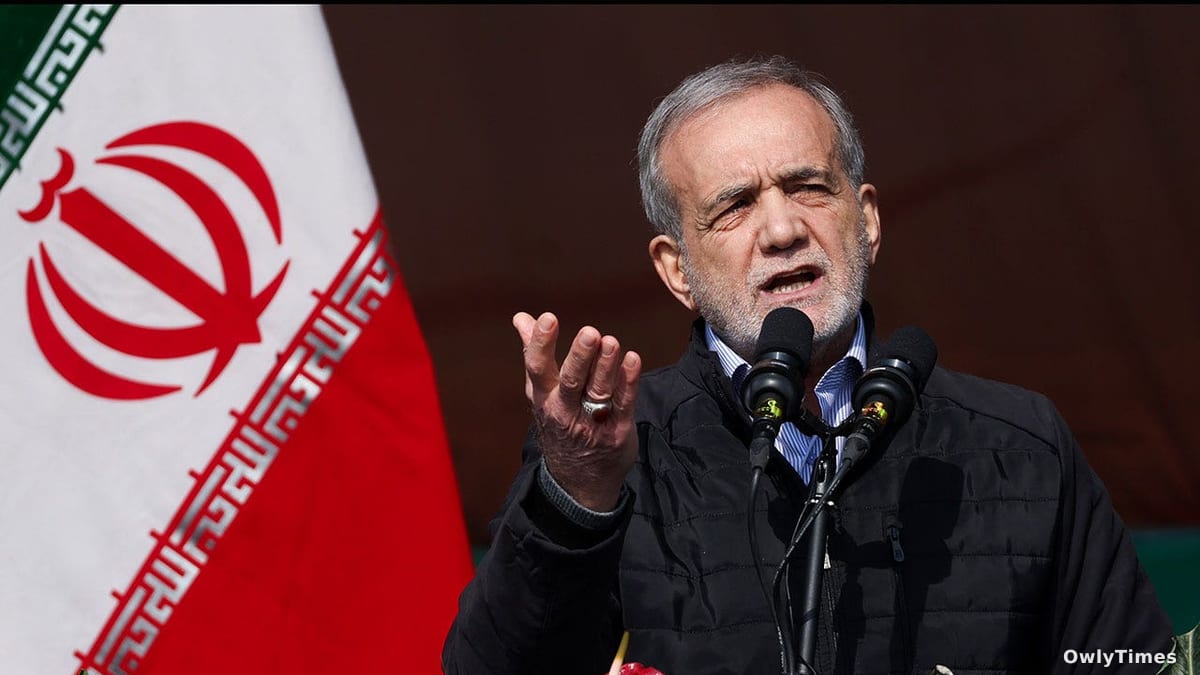
Masoud Pezeshkian’s recent pronouncements – doubling down on Iran’s refusal to abandon nuclear enrichment and openly preparing for renewed conflict with Israel – aren’t simply rhetorical flourishes. They represent a calculated assertion of regional power, predicated on the belief that the costs of compliance with international demands now outweigh the benefits of de-escalation. The strategic logic is clear: Tehran is leveraging its nuclear program, not necessarily as a weapon to be used, but as an unshakeable bargaining chip and a demonstrable symbol of its defiance against both the United States and Israel. This isn’t about acquiring a bomb; it’s about maximizing leverage in a volatile geopolitical landscape.
The timing of Pezeshkian’s statements, coming just days after confirmations from his Foreign Minister regarding continued enrichment, and following U.S. and Israeli strikes, is critical. The U.S. strikes, estimated to have set back the program by up to two years, were presented as a demonstration of resolve. However, Pezeshkian dismisses this as “just an illusion,” claiming Iran’s nuclear knowledge resides “in the minds of our scientists.” This isn’t denial; it’s a signal that even physical setbacks won’t fundamentally alter Iran’s capabilities. The assertion that Israel “completely failed” to eliminate the hierarchy of Iran’s nuclear program further reinforces this message. Who benefits and who loses here? Iran benefits by projecting resilience and maintaining its strategic depth. The U.S. and Israel lose face, and their credibility as deterrents is subtly undermined.
This article draws on reporting from Fox News.
Echoes of Historical Brinkmanship
This dynamic isn’t new. The current standoff bears a striking resemblance to the Soviet Union’s nuclear posture during the Cold War. Like the Soviets, Iran isn’t necessarily seeking a first strike, but maintains a nuclear program to deter attack, project power, and force negotiations on favorable terms. The key difference is the multi-polar nature of the current conflict. While the Cold War was largely a bilateral struggle, Iran’s position is complicated by the involvement of regional actors like Israel, and the competing interests of global powers like China and Russia. The recent visits from delegations from Russia and China – signatories of the 2015 JCPAO – are not coincidental. They represent a deliberate effort to create alternative diplomatic pathways and potentially shield Iran from the most punitive effects of Western sanctions.
The threat of “snapback sanctions” from the E3 (France, Germany, and the U.K.) – a mechanism within the JCPAO to reinstate pre-agreement sanctions – is intended to compel Iran back to the negotiating table. However, Pezeshkian’s dismissive tone and insistence on a “win-win logic” suggest he believes Iran holds sufficient leverage to withstand this pressure. The October 18 expiration date for the snapback mechanism adds a critical deadline, forcing a decision point for all parties involved. The fact that Iran initiated international talks after the E3 threat suggests a willingness to engage, but only from a position of strength.
The Shifting Sands of Regional Security
The fragile ceasefire brokered by the U.S. and Qatar following the 12-Day War is, according to Pezeshkian, “not very optimistic.” This assessment is grounded in a realistic appraisal of the deep-seated animosity between Iran and Israel, and the ongoing proxy conflicts that fuel regional instability. The Iranian president’s claim that both sides have “harmed” each other, and that Israel is “concealing its losses,” is a veiled threat of retaliation. This isn’t simply saber-rattling; it’s a recognition that any future escalation will likely involve direct confrontation, with potentially devastating consequences.
The implications extend beyond Iran and Israel. A renewed conflict could destabilize the entire Middle East, disrupting oil supplies and triggering a wider regional war. The U.S., already grappling with multiple global challenges, would be forced to expend significant resources and political capital to contain the fallout. The fact that Iran continues to possess “significant military strike capabilities,” despite the recent setbacks to its nuclear program, underscores the gravity of the situation. This isn’t a scenario where a decisive military victory is possible for any party involved.
The Next Move: Assessing China’s Role
The political chess move to watch next isn’t whether Iran will comply with Western demands, but rather how China will position itself. While the U.S. and European powers are focused on containing Iran’s nuclear ambitions, China has a different set of priorities: securing access to Iranian oil, expanding its economic influence in the region, and challenging U.S. hegemony. The details of the recent talks between Chinese, Russian, and Iranian officials remain opaque, but it’s reasonable to assume that they discussed ways to circumvent sanctions and strengthen economic ties. Will China actively mediate a resolution to the nuclear crisis, or will it quietly support Iran’s defiance, effectively creating a parallel economic and political system that undermines Western efforts? The answer to that question will determine the future trajectory of the conflict, and the shape of the new Middle Eastern order.