
0 represents the number of hours of stability in the Strait of Hormuz following the latest maritime escalation in the region. While the global energy markets were beginning to price in a period of relative calm, the seizure of two container ships by Iranian forces on Wednesday has effectively neutralized the diplomatic optimism generated earlier in the day. This tactical move arrives as a direct contradiction to the narrative of de-escalation that had briefly taken hold in international trade corridors.
The Fragility of the Extended Ceasefire
The geopolitical landscape shifted abruptly on April 22, 2026, when President Donald Trump announced an indefinite extension of the ceasefire with Iran. This policy move was intended to stabilize volatile shipping lanes and provide a reprieve to the conflict that began on February 28. For global supply chains, the initial announcement suggested a return to predictable maritime insurance premiums and cargo throughput.
However, following the money reveals that the market’s reaction to presidential rhetoric is often decoupled from ground-level military actions. By seizing two commercial vessels, Iranian state media confirmed that the strategic importance of the Strait of Hormuz remains a primary leverage point in this ongoing conflict. When diplomatic overtures are met with immediate physical interdiction, the cost of transit through one of the world's most critical chokepoints rises, regardless of the verbal commitments made in executive offices.
Maritime Risks and Supply Chain Implications
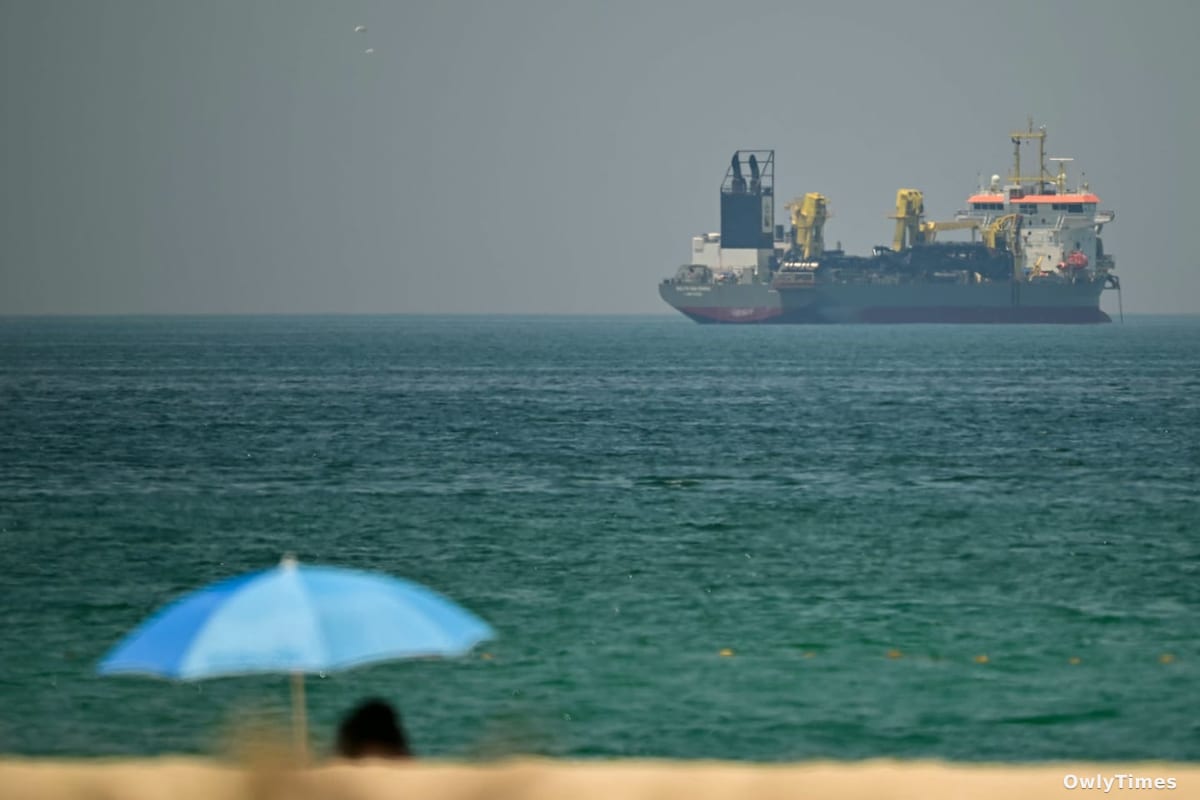
The presence of ships anchored near the shoreline in Bandar Abbas, as captured by Getty Images on Wednesday, serves as a visual indicator of the heightened tension. For companies reliant on these shipping lanes, the uncertainty is no longer theoretical; it is a calculated risk that must now be integrated into operational budgets. The fact that this seizure occurred only hours after the ceasefire extension highlights a significant disconnect between diplomatic negotiation and regional military enforcement.
When regional actors disregard the terms of a temporary truce, the primary victim is the predictability of global trade. The conflict, now in its second month, has created a recurring cycle where any attempt at stabilization is met with a display of kinetic power. For businesses and logistics firms, the immediate concern is not the duration of the ceasefire, but the frequency of these maritime interruptions.
Analyzing the Economic Volatility
Follow the money to see the impact of these seizures on global shipping capacity. Every time a vessel is diverted or detained in a contested zone, the ripple effect reaches far beyond the immediate region. Insurance underwriters typically respond to such volatility by adjusting premiums upward, which eventually trickles down to the end consumer as a surcharge on imported goods.
The persistence of this conflict is testing the resilience of international diplomatic efforts. Because the seizure occurred in the immediate aftermath of the ceasefire announcement, it demonstrates that the strategic objectives of Iranian forces remain prioritize over the current diplomatic framework. Investors should watch the next reading of maritime insurance rates for tankers and container ships operating in the Persian Gulf, as these figures will provide the most accurate assessment of how the market is pricing the risk of this ongoing regional instability.