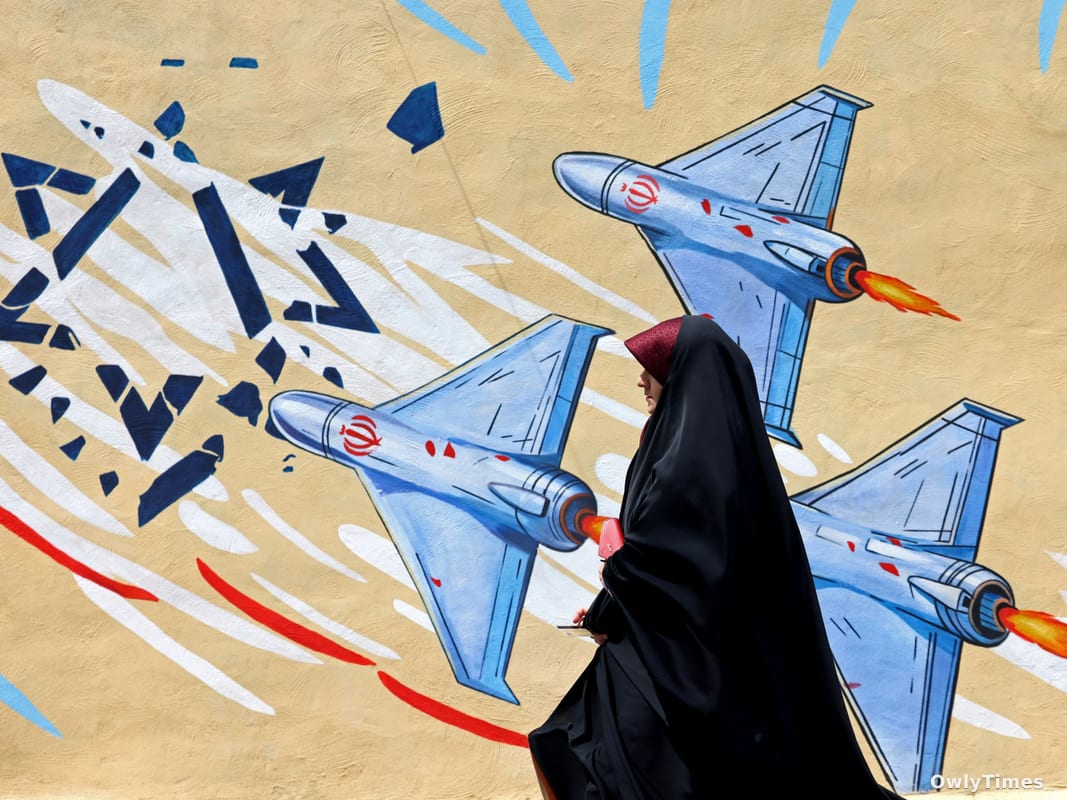

48 hours remain on the clock before the two-week ceasefire between the United States and Iran expires this Wednesday, a deadline that is currently acting as the primary catalyst for volatility in global energy markets. While diplomatic channels remain theoretically open, the underlying financial and geopolitical calculus has shifted from negotiation to brinkmanship. Follow the money, and you see that the recent seizure of an Iranian-flagged vessel near the Strait of Hormuz has already triggered a measurable surge in global oil prices, reflecting the market’s immediate assessment of the risks associated with a potential blockade of this critical maritime chokepoint.
The Battlefield of Brinkmanship
The rhetoric coming out of Tehran suggests a strategic pivot away from the negotiating table. Parliament Speaker Mohammad Bagher Ghalibaf has publicly stated that Iran is “prepared to reveal new cards on the battlefield,” a declaration that serves as a direct counter-narrative to the pressure being applied by Washington. This escalation follows threats from United States President Donald Trump, who warned in a phone call to the John Fredericks Show that Iran would face “problems like they’ve never seen before” should the ceasefire conclude without a finalized deal. The tension is palpable, and for investors, the primary concern is whether this “war of words” is a prelude to a kinetic conflict or merely a high-stakes tactical maneuver intended to gain leverage.
Diplomatic Limbo in Islamabad
The second round of peace talks, which were slated to occur in Pakistan, currently exist in a state of suspended animation. Reporting from Tehran, Tohid Asadi of Al Jazeera has confirmed that there is no official verification regarding Iran’s participation in the Islamabad proceedings. The contradiction here is significant: while Iran has signaled a desire to keep the door to diplomacy slightly ajar, the government’s public stance—expressed by Ghalibaf on X—is that they refuse to engage in negotiations held “under the shadow of threats.” This refusal to bargain under duress, combined with the U.S. seizure of an Iranian-flagged vessel, creates a structural barrier that complicates any path toward a resolution.
Sticking Points and Economic Exposure
The list of demands between the two nations is extensive, covering everything from sanctions and war reparations to the status of ballistic missiles and Iran’s regional foreign policy. President Trump’s stated objective, shared during an interview with PBS News, is to ensure that Iran does not develop a nuclear weapon, framing the issue as a global existential risk. However, the economic reality is that both nations are operating from positions of significant strain. The U.S. assessment, as noted in recent reports, is that the American position is “pretty far behind where they started” the war, indicating that the cost of prolonged hostilities is mounting on both sides of the Atlantic.
What This Means for Your Wallet
For the average consumer and investor, the immediate trajectory of the global economy is tied to the maritime security of the Strait of Hormuz. The next reading of global oil benchmarks will show whether the market prices in a permanent risk premium due to these threats, or if it expects the Wednesday deadline to pass with a last-minute extension of the ceasefire. Until a formal agreement is reached or the deadline passes, expect continued instability in energy costs and heightened risk aversion in equity markets exposed to international shipping and energy production.