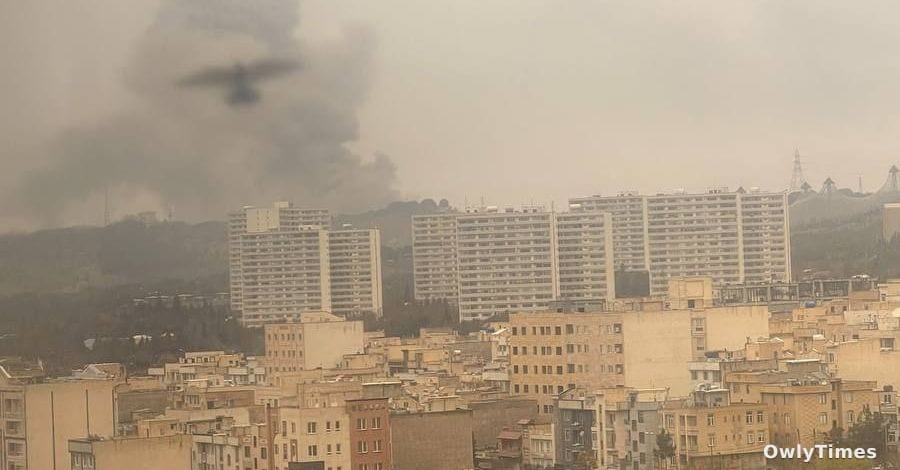

Is the world bracing for a war no one actually wants? That’s the unsettling question bubbling beneath the surface of escalating tensions in the Middle East, and it’s a far cry from the narrative of decisive action being pushed by Washington. The real story here isn't about Iran’s military prowess – despite what President Trump claims about AI-fueled disinformation – it’s about the precarious economic dependencies that are rapidly turning a regional conflict into a global pressure cooker. We’re not looking at a straightforward military confrontation; we’re staring at a potential chokehold on the world’s energy supply, and the frantic scrambling to avoid it.
Trump’s pronouncements this past Sunday – dismissing reports of damage to US assets and accusing Iran of fabricating attacks – feel less like a strategy and more like a performance. He’s doubling down on skepticism about negotiations, even as his administration maintains contact with Tehran. This isn’t about a lack of communication; it’s about a fundamental disconnect between the rhetoric and the reality of a situation spiraling beyond easy control. The claim that Iran is “militarily ineffective and weak” is a convenient narrative, but it ignores the asymmetric warfare capabilities that have consistently proven disruptive. More importantly, it ignores the fact that even a perception of disruption is enough to send shockwaves through global markets. When futures trading resumed Sunday evening, West Texas Intermediate jumped over 2% to $102 a barrel, and Brent crude followed suit, hitting $106. These aren’t abstract numbers for Wall Street; they translate directly into higher gas prices for American commuters and increased costs for businesses already struggling with inflation.
The pressure isn’t just on Iran. President Trump’s thinly veiled threat to NATO – a “very bad future” awaits if allies don’t support a potential war with Iran – is a blatant attempt to strong-arm support for a conflict few European nations are eager to join. This isn’t about collective security; it’s about securing regional energy routes, a point hammered home by the CEOs of ExxonMobil, Chevron, and ConocoPhillips in recent meetings with the administration. They’re warning that disruption to the Strait of Hormuz will worsen the global energy crisis, potentially leading to shortages of refined products. The fact that oil executives are delivering this message directly to the White House underscores the economic stakes, which dwarf the geopolitical posturing. It’s a stark reminder that the average consumer, not just policymakers, will bear the brunt of any escalation.
This piece references the iranintl.com report.
Meanwhile, the situation is actively worsening on multiple fronts. British Foreign Secretary Yvette Cooper rightly points out that Iran is leveraging groups like Hezbollah to draw Lebanon into the conflict, a move that destabilizes an already fragile nation. The UK’s £5 million in humanitarian aid is a band-aid on a gaping wound. Similarly, the warnings from Saudi Crown Prince Mohammed bin Salman and UAE President Sheikh Mohammed bin Zayed about attacks on GCC countries signal a widening regional conflict, with potentially devastating consequences for global oil supplies. French President Emmanuel Macron is attempting a diplomatic course correction, urging Iran to halt attacks and restore freedom of navigation, but his calls are increasingly drowned out by the drumbeat of escalation. Even seemingly contained actions, like EL AL Airlines offering special flights for US citizens seeking to leave Israel, are a clear indicator of the growing sense of urgency and fear on the ground.
The most chilling development, however, is the explicit threat from Iranian forces to target logistics and support facilities linked to the USS Gerald R. Ford in the Red Sea. This isn’t just saber-rattling; it’s a direct challenge to US military presence and a clear indication that Iran is prepared to escalate if provoked. The rhetoric from the Khatam al-Anbiya Central Headquarters, viewing the carrier’s presence as a threat, is a dangerous escalation in itself.
Looking ahead, the next six weeks will be critical. Watch for a significant shift in oil prices if Iran continues to disrupt shipping lanes in the Strait of Hormuz. A sustained price above $110 a barrel will force a reckoning, not just for consumers, but for the global economy. The real question isn’t if the US will act, but how it will respond when the economic pressure becomes unbearable – and whether that response will be a calculated strategy or a desperate attempt to regain control of a situation rapidly slipping out of its grasp.