
The cascading flight cancellations rippling across global air travel aren’t simply a disruption to holiday plans; they represent a calculated risk assessment by airlines and governments, prioritizing security guarantees over established trade and tourism routes. The immediate trigger – joint US-Israeli military action in Iran beginning February 28th, 2026 – is less important than the underlying calculus: a willingness to accept significant economic cost to avoid potential entanglement in a rapidly escalating conflict. This isn’t a spontaneous reaction to events on the ground, but a pre-emptive repositioning based on intelligence assessments of the threat landscape.
The Geopolitical Cost of Airspace Closure
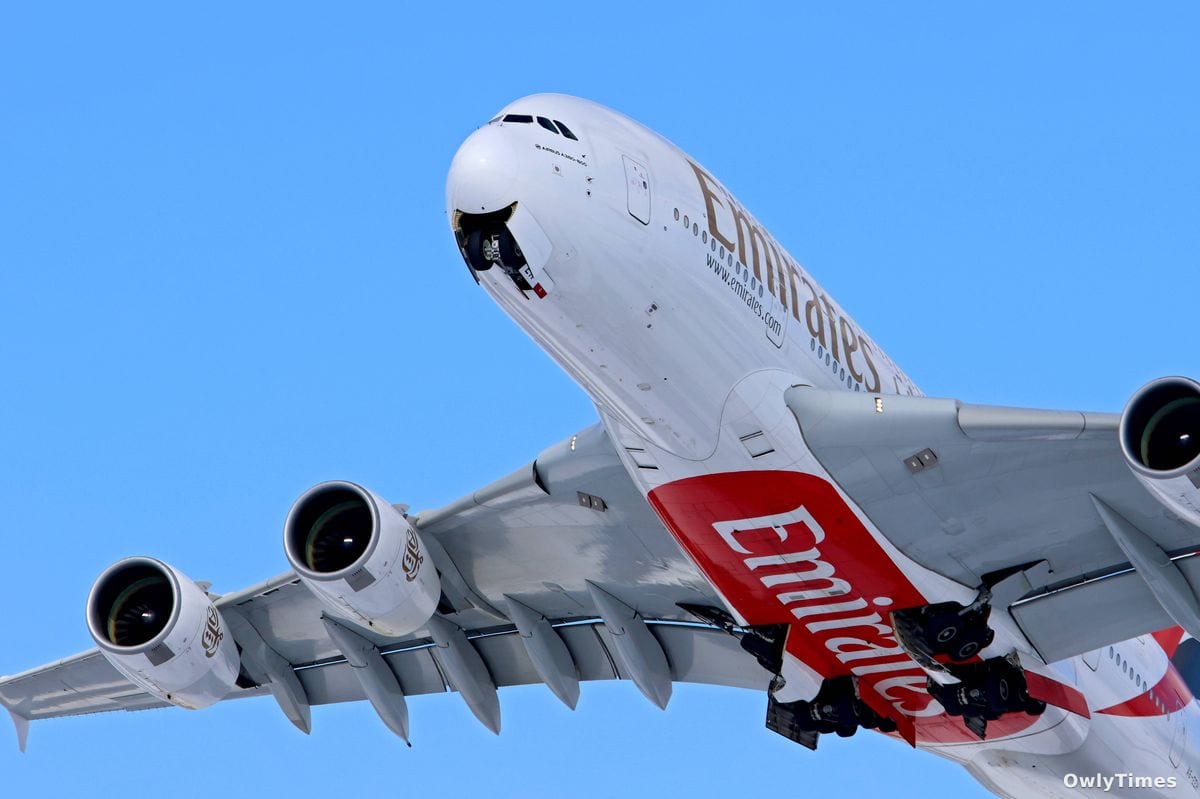
The scale of the disruption is substantial. As of March 1st, 2026, airlines from across the globe – including giants like Emirates, British Airways, and Qatar Airways – have grounded flights to Dubai, Israel, and throughout the wider Middle East. This isn’t limited to direct routes; carriers like Air Canada and Air India are cancelling transatlantic flights due to the closure of key airspace corridors. The economic impact extends beyond the airlines themselves. Dubai, for example, relies heavily on its position as a global transit hub, generating an estimated 27% of its GDP from tourism and related industries in 2025. A three-day shutdown, as currently projected for Emirates and FlyDubai, represents a significant blow, and prolonged closure could trigger a wider economic downturn. The UK Foreign Office’s advisories – “avoid all travel to Israel and Palestine” and “remain indoors” in Gulf states – further underscore the severity of the perceived threat.
See the original liverpoolecho.co.uk story for the full account.
A Pattern of Preemptive Restriction
This pattern of preemptive airspace closure and travel restriction isn’t new. The 1990-91 Gulf War saw a similar, though less globally extensive, disruption to air travel as nations braced for potential conflict. More recently, the 2022 Russian invasion of Ukraine prompted widespread airspace closures, forcing airlines to reroute flights and absorb substantial costs. However, the current situation differs in its scope and speed. The coordinated nature of the airline responses – occurring within hours of the initial military action – suggests a high degree of intelligence sharing and pre-planning between governments and the aviation industry. This contrasts with the more reactive responses seen in previous crises, indicating a heightened level of concern and a willingness to prioritize security even at considerable economic expense.
Who Benefits and Who Loses in the Current Crisis?
The immediate losers are clear: travelers, airlines, and economies reliant on tourism and air transit. British holidaymakers with plans for Dubai are facing disruption, and the broader tourism sector in the region is bracing for a downturn. Airlines are absorbing the costs of cancellations, rerouting, and passenger refunds. However, several actors stand to benefit. Arms manufacturers, predictably, are likely to see increased demand. More subtly, nations positioned as alternative transit hubs – such as those in Southeast Asia – could see a temporary increase in traffic. Crucially, the US and Israel gain strategic advantage by demonstrating a willingness to accept collateral damage – in this case, economic disruption – to achieve their military objectives. The message sent is one of resolve and a commitment to regional stability, defined on their terms.
Beyond the Cancellations: The Shadow of Iranian Retaliation
The current flight cancellations are a symptom of a larger strategic game. The immediate concern is Iranian retaliation for the military action. While direct attacks on US or Israeli soil are considered less likely, strikes targeting regional allies or infrastructure – including oil facilities and shipping lanes – are a distinct possibility. This is where the political chess move to watch unfolds: the response of Qatar Airways. As of this writing, their services are suspended due to Qatari airspace closure, but a promised update by 9am local time on Monday will be critical. Qatar’s position is uniquely sensitive, hosting a major US military base (Al Udeid) while also maintaining diplomatic ties with Iran. How Qatar Airways navigates this crisis – whether it resumes flights, extends the suspension, or adopts a more cautious approach – will signal the broader regional alignment and the likelihood of further escalation. The airline’s decision isn’t simply about business; it’s a geopolitical statement.